
Wealthy Chinese Emigrants Pivot Away from US – “Even Russia” Now on Their Radar
US ‘bullying’ turning off Chinese emigrants as other countries gain favor, says Henry Fan

US ‘bullying’ turning off Chinese emigrants as other countries gain favor, says Henry Fan
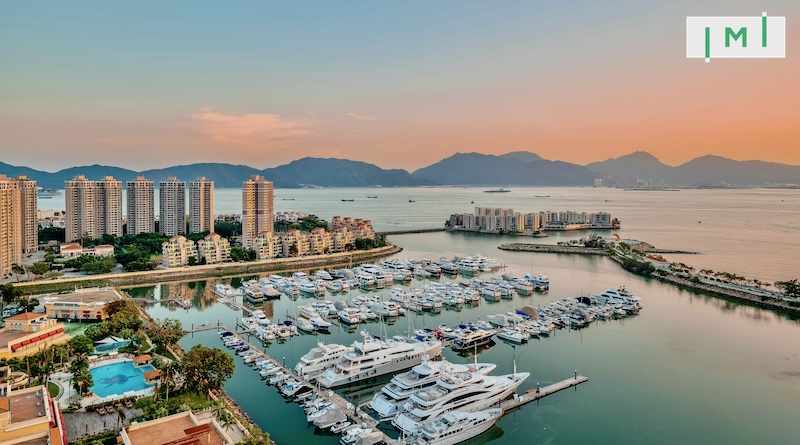
Hong Kong authorities hope to attract 4,000 applicants a year. Hannah Ma analyzes why the first applicant gained approval in just 23 days.
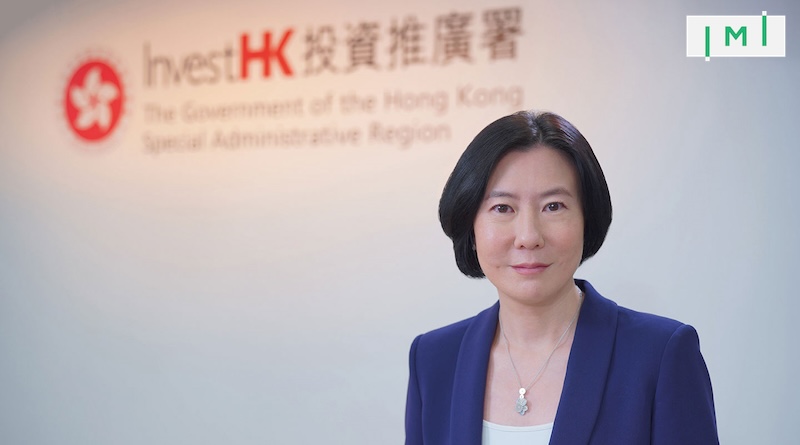
The government has also issued detailed stipulations for how investors must allocate the HKD 30 million.

Following raids, skittish local banks say they will keep a closer eye on clients holding second passports from CBI jurisdictions.

Chinese IM market insider Luc Lu explains what’s happening in the Chinese market and how international firms should interpret the Wailian case.

“This financial fracas will sweep up a lot of players,” write Mona Shah and Rebecca Singh, who believe the Wailian arrests are part of a broader effort.

The boss of one of the world’s biggest IM firms has been arrested, accused of helping clients illegally move over RMB 100 million abroad.
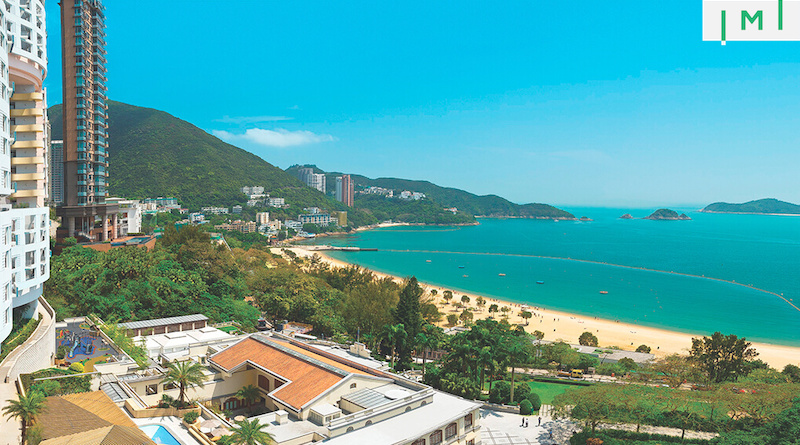
Great power games have cut Russians off from of banking and immigration in many countries. Hong Kong, however, has left the door open, writes Stephen Barnes.

Dormant during the pandemic, China’s investment migration market is reviving. Four domestic stressors are driving the rebound, writes Luc Lu.
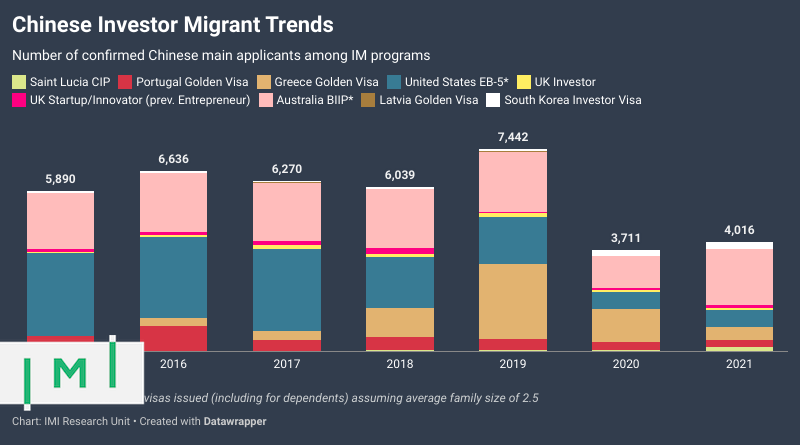
While contours of a recovery from 2020’s drop in Chinese IM program participation are becoming apparent, the market remains in the doldrums.

Hundreds of millions of Chinese are under an iron- and ham-fisted lockdown. Their yearning for freedom is reviving the market for migration.
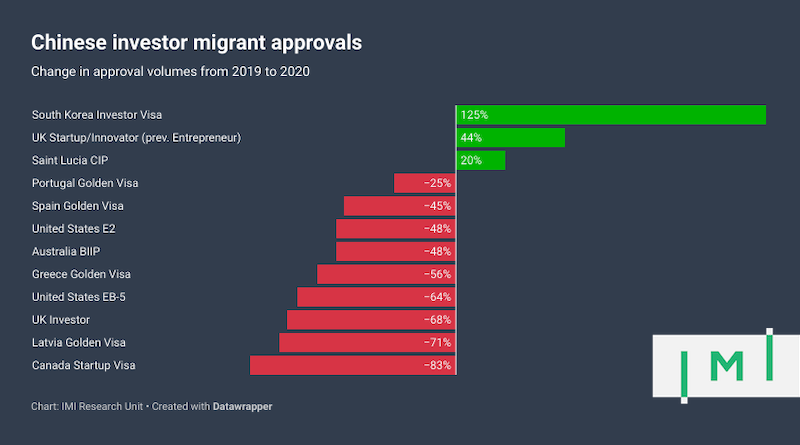
It’s not just you. Chinese investor migrants really ARE becoming fewer and farther between, according to the most recent data.

Until recently the world’s undisputedly largest source of investor migrants, China’s IM market has become a shadow of its former self. Why?

China’s investment migration market is in flux for the first time in a generation, presenting a unique incursion opportunity for foreign firms.

Getting money and people out of China has never been more fraught with risk than in 2020, writes Luc Lu.

Hong Kong’s BN(O)s thinking of taking up the UK’s visa offer must be ready to burn personal and financial bridges, writes David Lesperance.

Chinese millennials are now the world’s biggest group of investor migrants. And among them, the most active of all are the “sea turtles”.

In this second installment, Luc Lu illustrates why China’s millennials are hyper-vigilant about health and skeptical about Chinese education.

China’s millennials are nothing like their parents. Now in their 30s and 40s, they are the main cohort of investor migrants. What do they want?

While demand is stronger than ever, the big agencies are closing branches and laying off staff. In 2020, all the rules have changed.