
How Long Citizenship Takes Once You Count the Queue
Every route to citizenship has two timelines: the one its nationality law sets and the one the queue adds. Across eight routes, the second is where the surprise lives.


Every route to citizenship has two timelines: the one its nationality law sets and the one the queue adds. Across eight routes, the second is where the surprise lives.

Why the number of generations a country lets you count back tells you almost nothing about whether you will get the passport.

A child born after the parent’s citizenship by investment grant is named in no application. Whether that child is a citizen, and what it costs, is decided by 14 nationality laws, not 14 programs. Ten make the child a citizen at birth. Four make the family apply and pay a second time.

Eight years would place Ireland above the five-year figure used by Germany, France, the Netherlands, Portugal and Luxembourg. The Justice Minister confirms that applicants four years into the current five-year clock will face the higher bar.

Zuzana Palovic, who campaigned for the 2022 reform, on how the descent route works now that the residence permit step is gone.

Answer questions about who you are and what you want, and we’ll match you with residency and citizenship paths you didn’t know you qualified for.

Marco Mesina explains the landmark ruling that ends the two-year “minor issue” saga, and who stands to benefit.

Turkey, Egypt, and Cambodia pass citizenship down without limit, while three of the five Caribbean programs pass nothing down automatically.

Officials say most applicants are Russian citizens who are after a travel document. Yerevan attorney Nerses Isajanyan expects a residence permit requirement.

Whatever a passport pitch promises, the legal mechanism behind it is one of 10. This guide maps every route to citizenship in 2026, who qualifies for each, and where the doors are narrowing.

A second passport carries obligations that attach the moment you hold it. These 11 rules, from generation caps on descent to exit taxes on renunciation, tend to surface only after the deadline to act on them has passed.
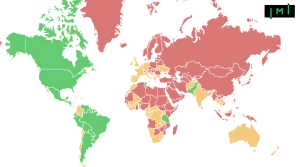
Birthright citizenship survives in 80 countries, but the rule that matters for a globally mobile family is whether it applies automatically or comes with conditions on where the parents were born or how long they have lived there. Here is where each country stands.