
The Countries That Treat You as a Tax Resident After You Leave
IMI found 21 countries that can tax some people after they move abroad. In 16 of them, the rule depends on your citizenship.

IMI found 21 countries that can tax some people after they move abroad. In 16 of them, the rule depends on your citizenship.

A second passport rarely decides who taxes your estate. Where you lived, the citizenship you started with, and where the assets sit usually do.

France came out closest to a debt crisis of the 43 rich economies that IMI compared, with Belgium and Italy next.

Spain’s nomad visa now wants €2,849. Italy’s self-employment permit asks for €8,500 a year, and Portugal’s D2 starts at the minimum wage.

Eleven of 17 European founder routes ask for no capital upfront. The real bill is living money, from £1,270 in the UK to €22,404 in France.
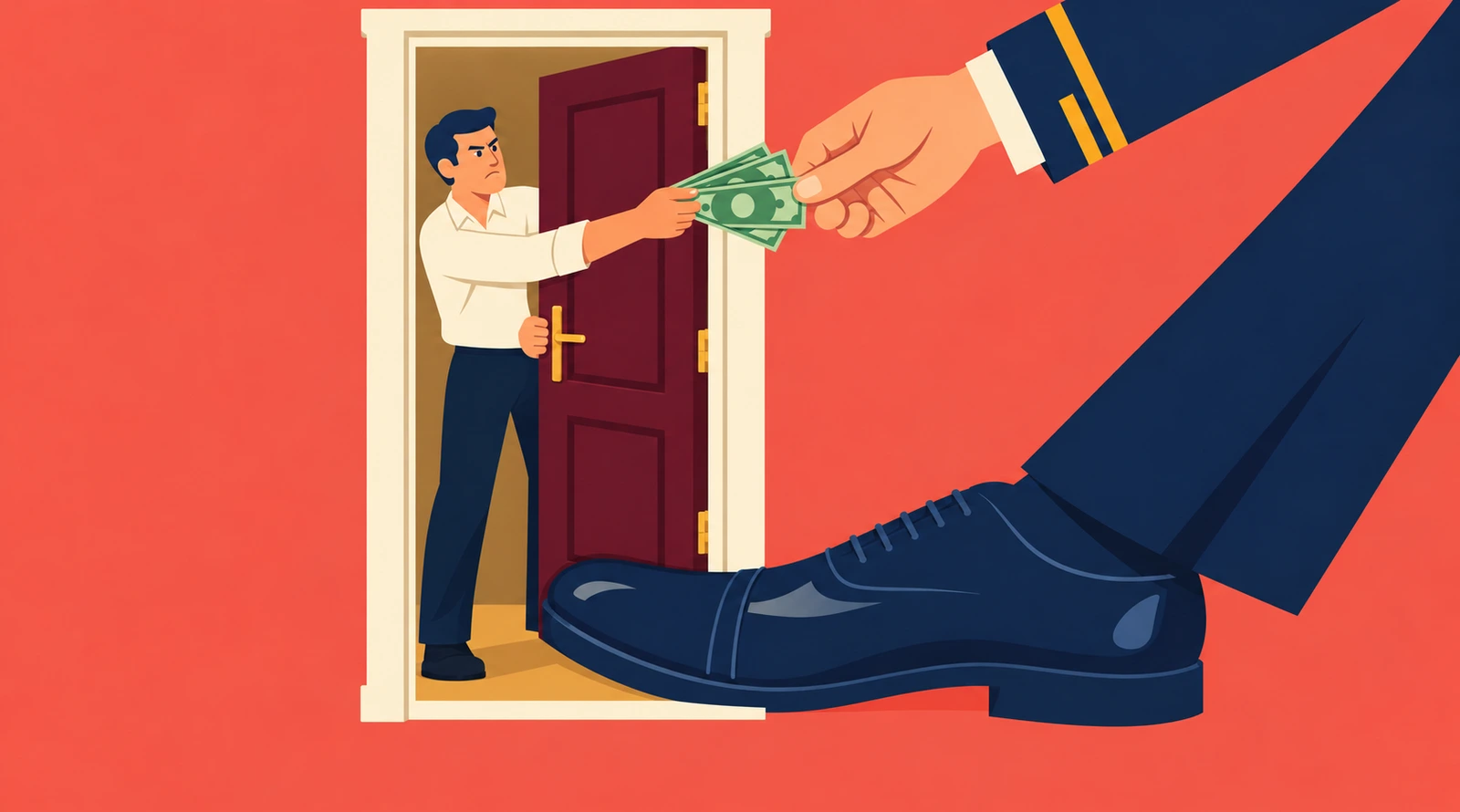
A short list of countries and territories charge no annual tax on a home, most of them small states or Gulf monarchies. The United Kingdom, Canada, and the United States collect the most. In many other countries the tax is small for residents and higher for foreign owners of second homes.

Citizenship you were born with or naturalized into feels permanent. Hold two, and a handful of countries attach a quiet maintenance obligation, reclaiming the second passport if you let the paperwork or the ties lapse.

Four programs admit a parent at any age and three admit none at all. Grenada’s widely quoted 55 decides which fee band a parent falls into, and decides nothing about eligibility.

Armenia asks only for Armenian origin until a 2028 draft adds residence. Chile reaches the grandchild. Most others stop at one generation.

Top-tier international health cover rose 18% in a year, and the hubs wealthy families favor are among the costliest places to insure.

Turkey and Cyprus have revoked in the thousands, four programs in the dozens, and five with the thinnest safeguards not at all.
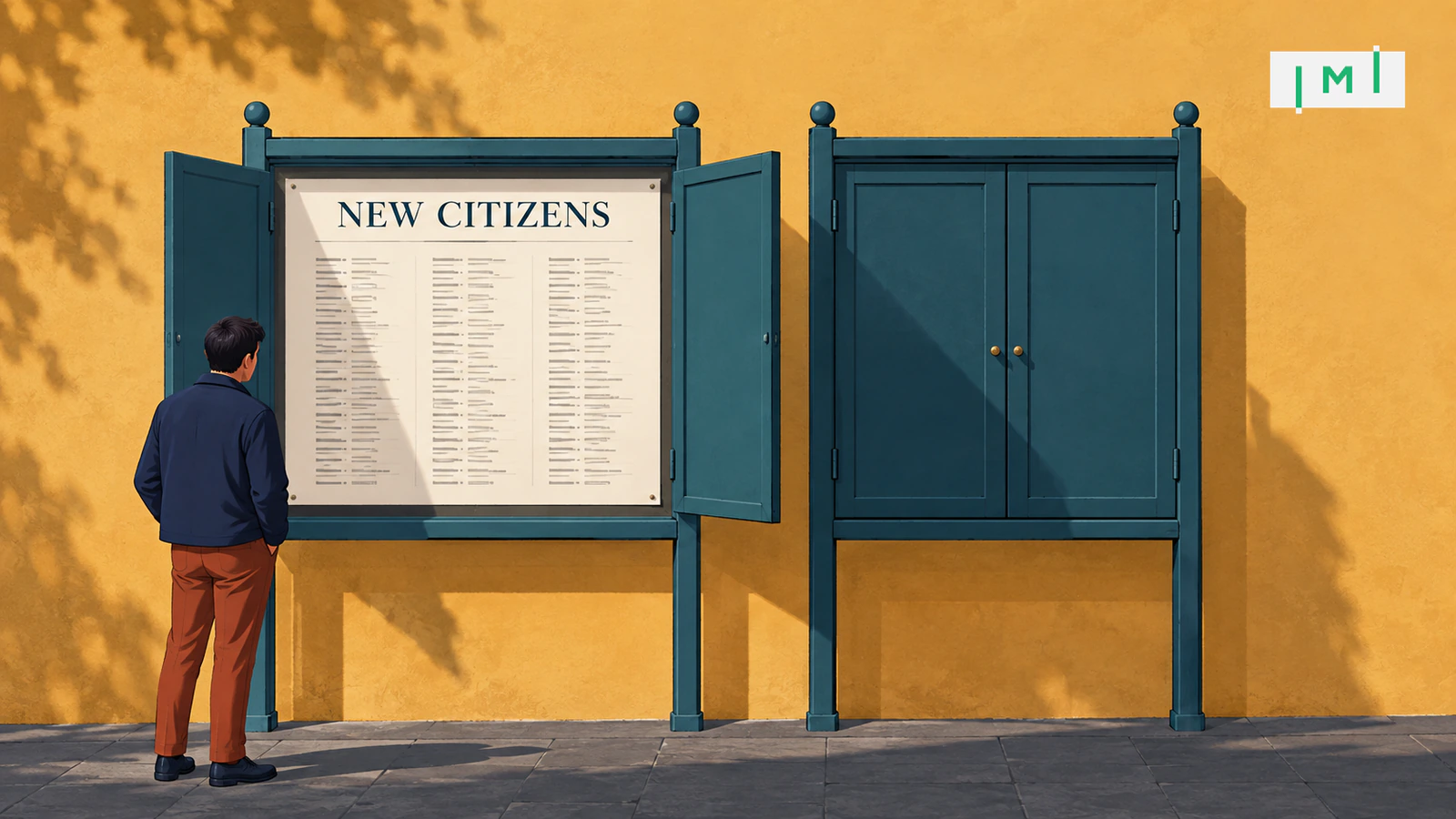
In Japan, naturalization takes effect on the day the official gazette announces it. In Saint Lucia, the law requires that the names of CBI citizens go to Parliament, and the government has left them out since 2019.

Germany, Brazil, and Russia still shield citizens by constitution. Two Latin American bans just fell, and a new passport rarely counts.
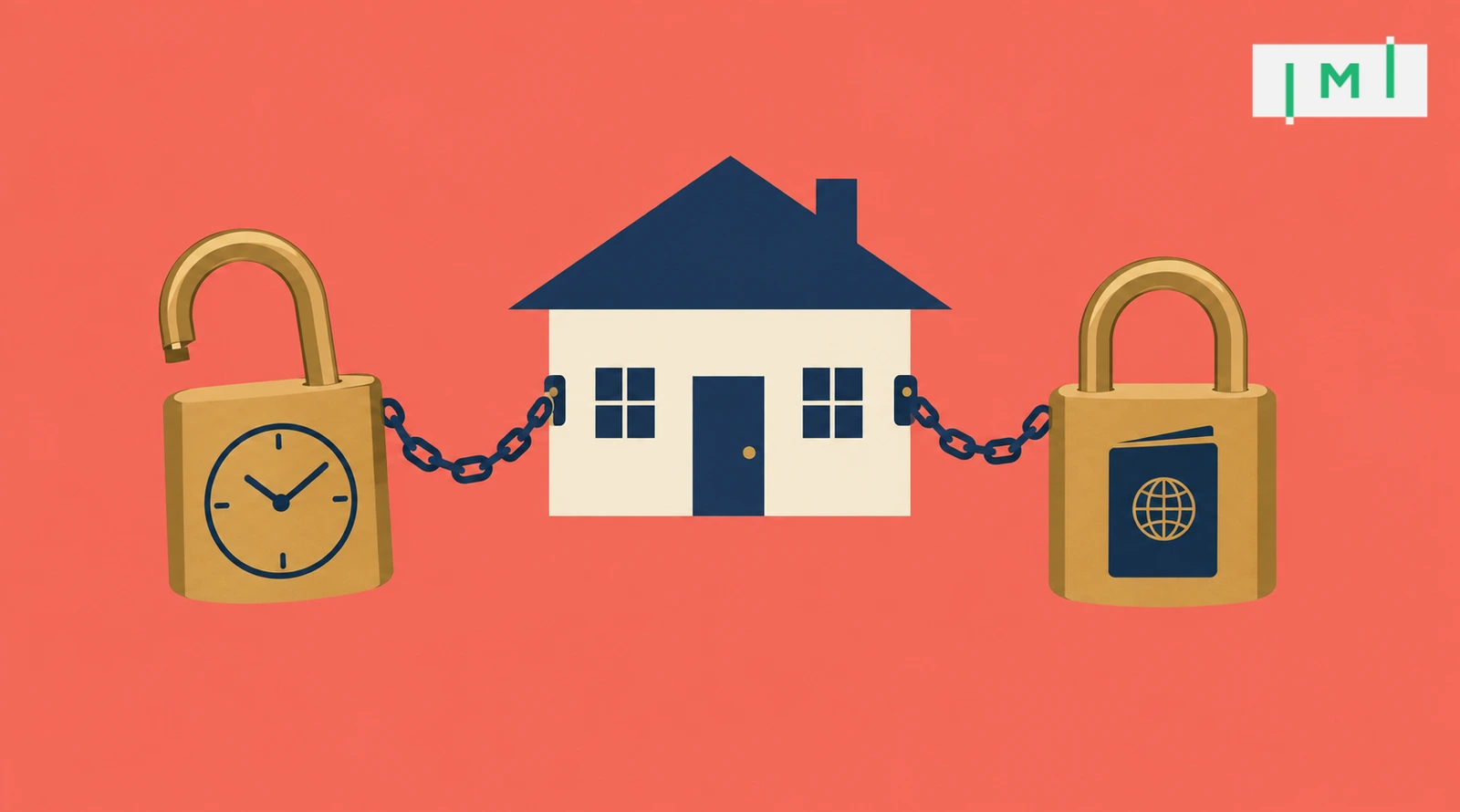
Every Caribbean citizenship by investment program writes two restrictions into its property rules. One sets when you may sell. The other decides whether the property can ever qualify anybody else, and that is the one that sets your price.

Investment migration programs accept most lawful money, as long as you can document each step between the day you earned it and the day it reached the government account.

Several countries make citizens tell the government when they take another citizenship. Silence can lead to a criminal case in Russia, a fine or expulsion in Kazakhstan, or, for Spaniards living abroad, the loss of their citizenship after three years.

BRICS, NATO and the Commonwealth give citizens of their member countries no right to live or work in another member country. That right comes from blocs like the European Union and Mercosur, so the best citizenship in each power alliance is from a country in one of those blocs.
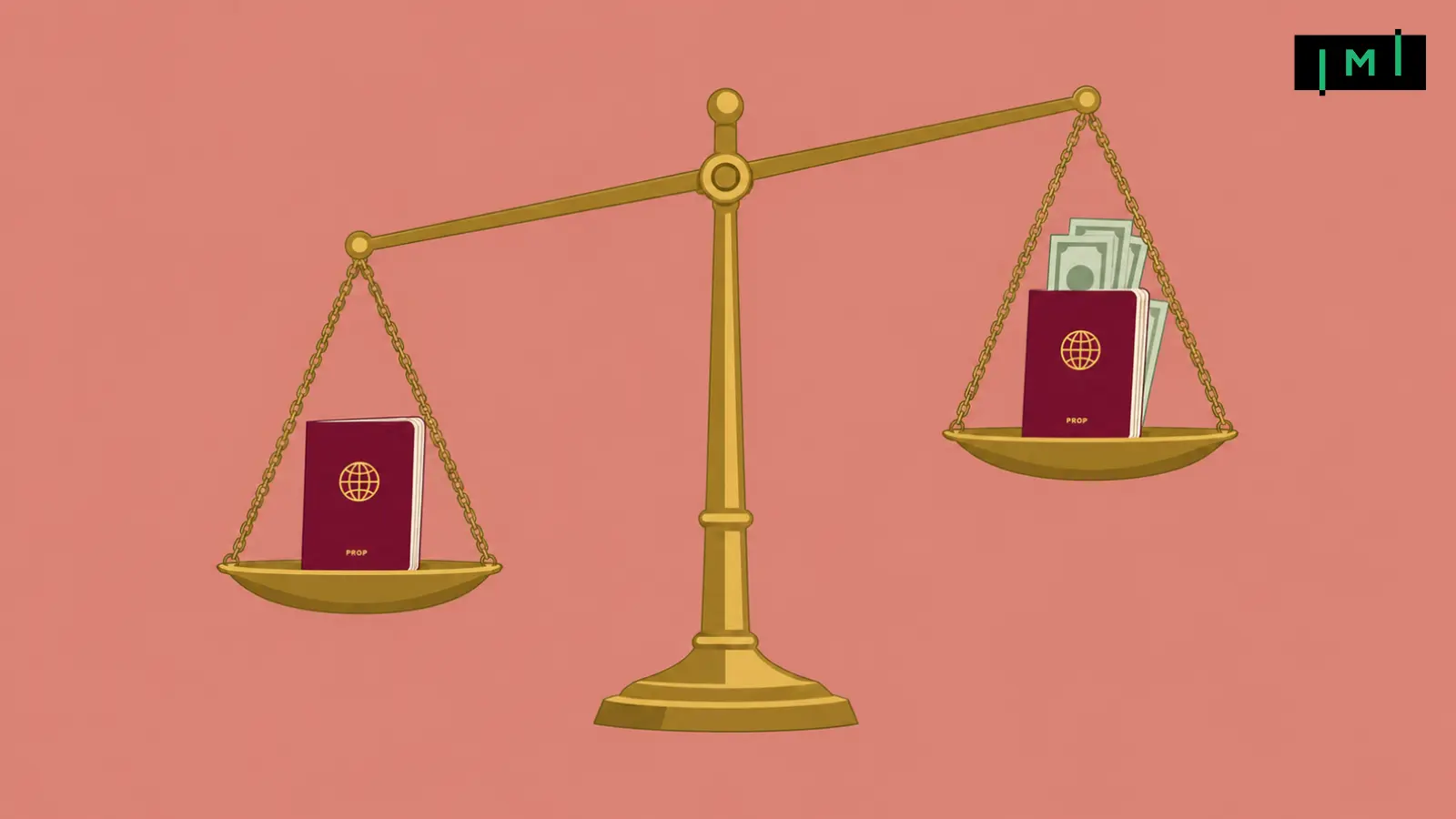
Vanuatu shuts investor citizens out of the ballot for life. St. Kitts closes parliament to them forever. Turkey draws no line at all.
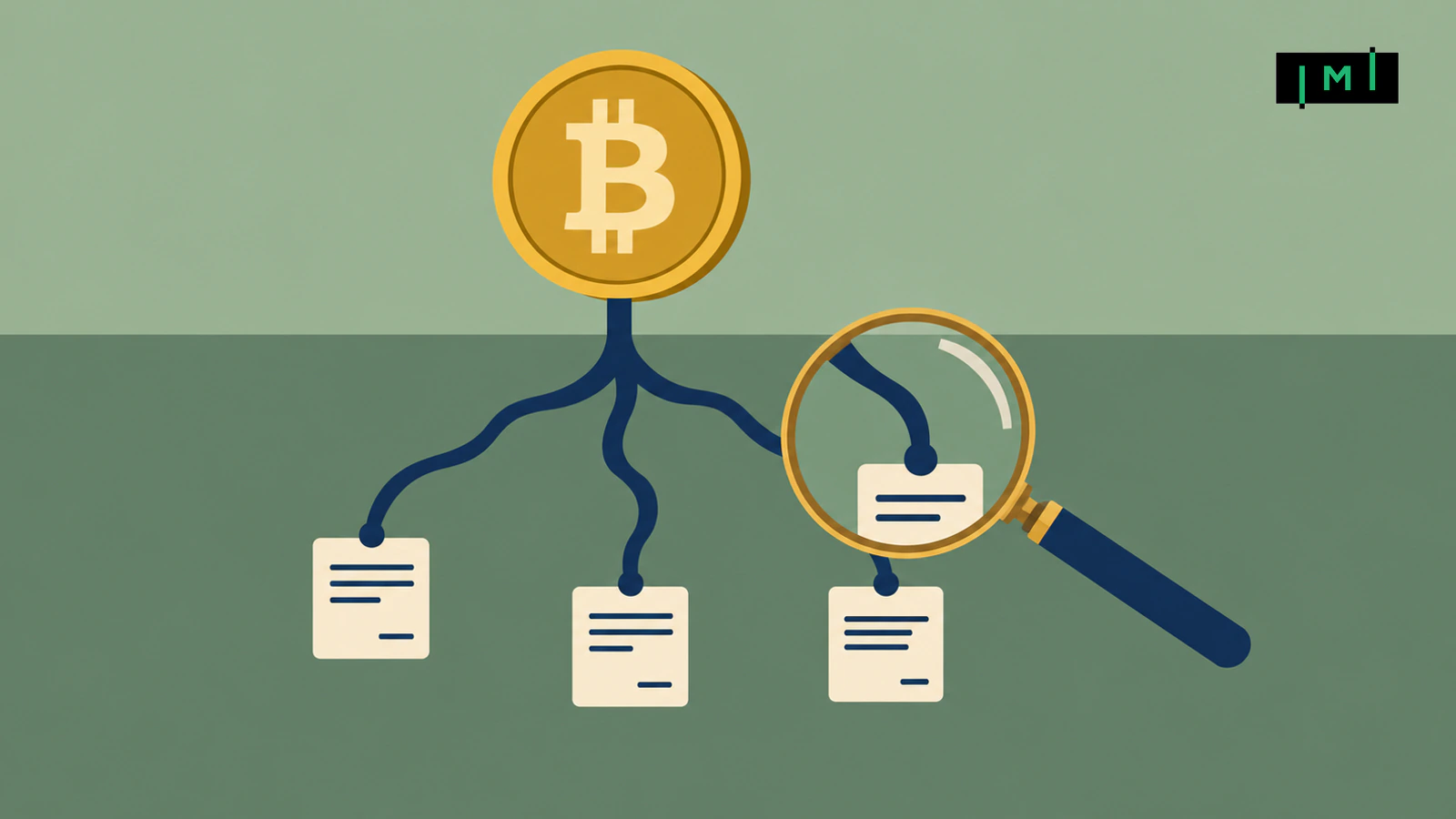
El Salvador is the only government that takes Bitcoin or USDT as the qualifying payment for citizenship. Almost every other program wants cash, so the due diligence on where your crypto came from decides your application.
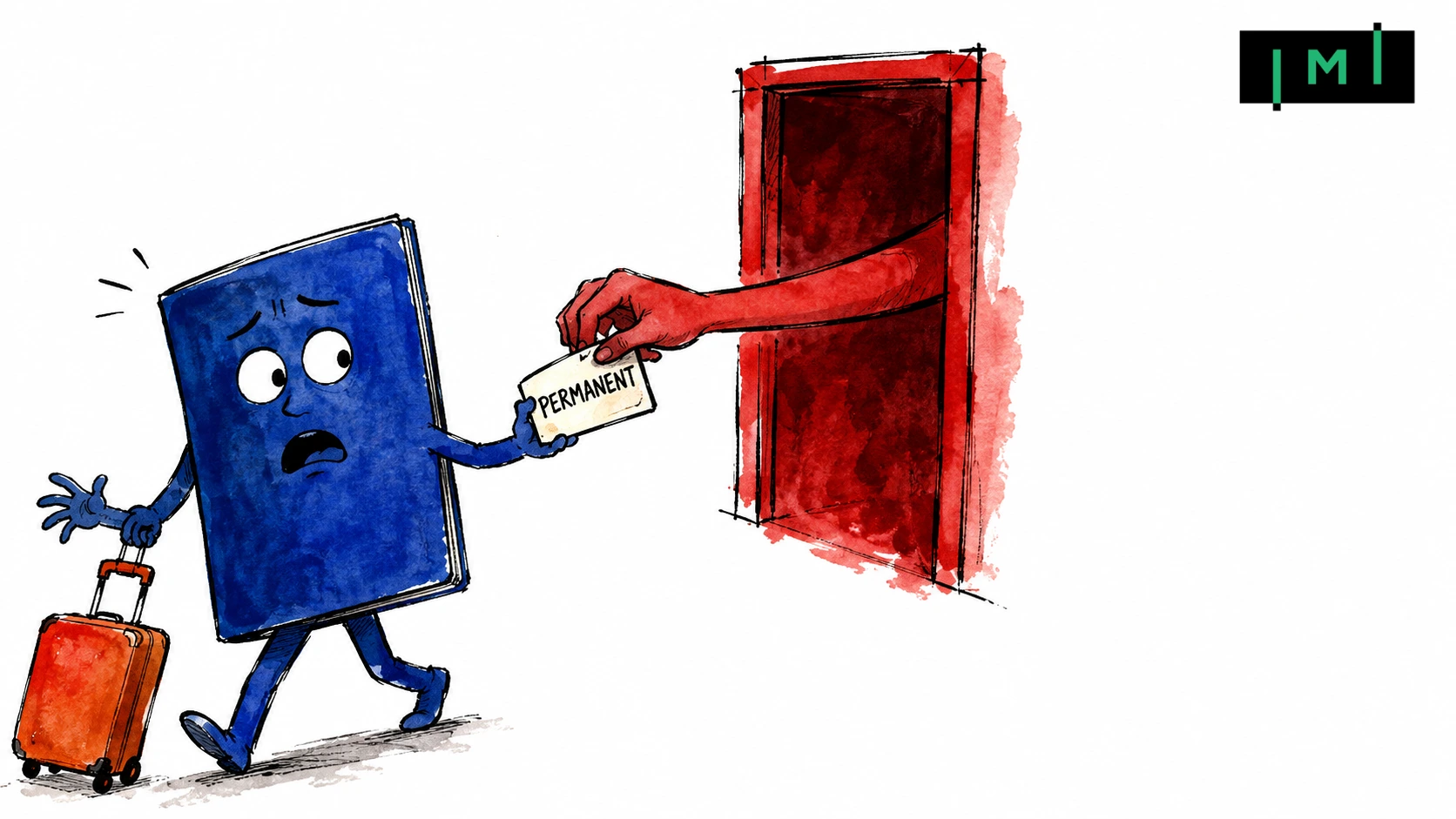
Canada, Australia, and the UK all call their status “permanent,” then take it back if you leave too long. A short list of countries actually mean it. Here is where permanent residence survives indefinite absence, and where it doesn’t.