
The Country Rebranded, So Did CIP Türkiye, and Now It Offers So Much More
CIP Turkey is now CIP Türkiye, with tax residency, corporate structuring, banking, and property added to the citizenship practice.

CIP Turkey is now CIP Türkiye, with tax residency, corporate structuring, banking, and property added to the citizenship practice.
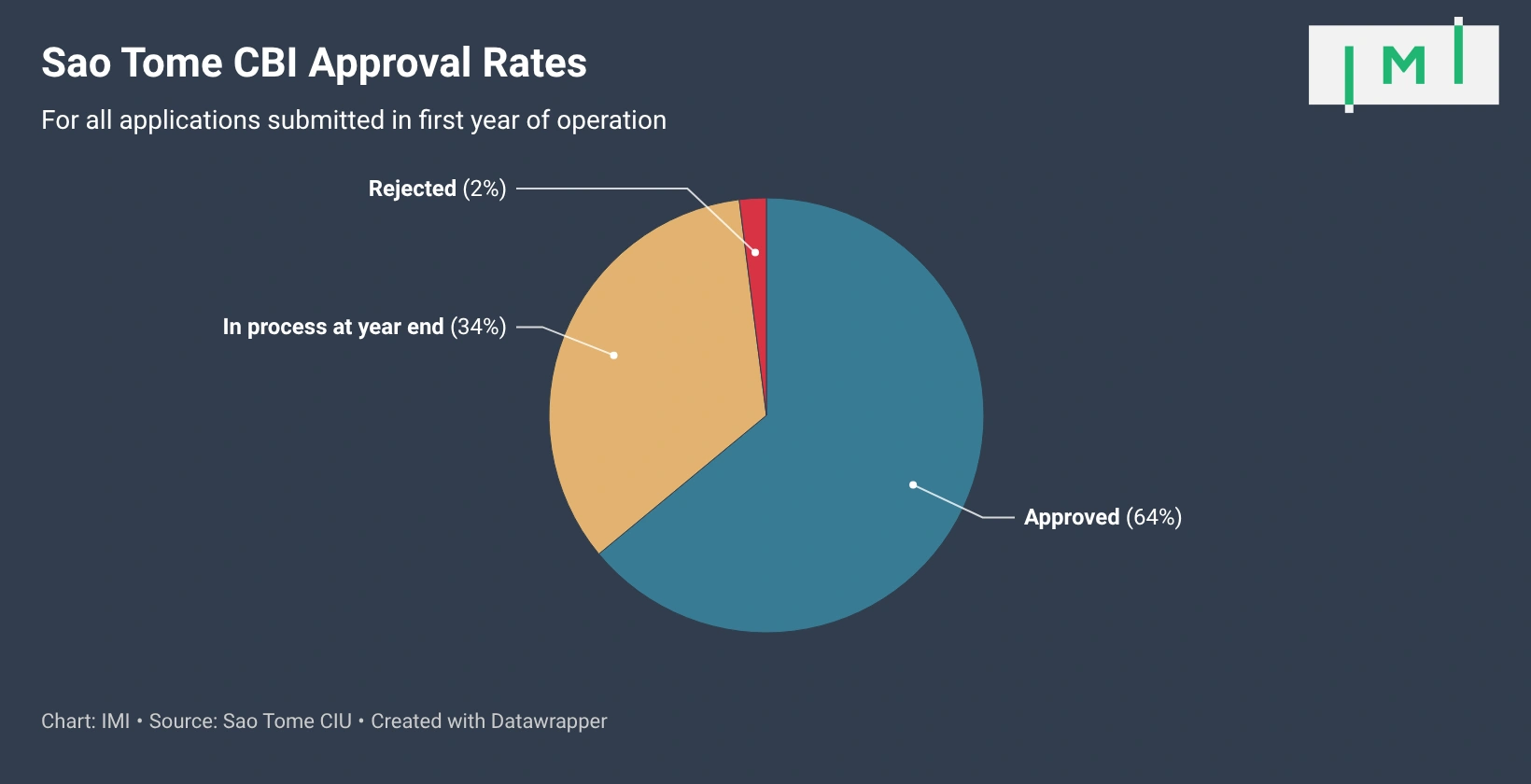
The CIU concedes a post-approval backlog. Russia and Iran supply 31% of the applicant book, a cohort the Caribbean has all but shut out.

A regional regulator now sits above five national programmes. Brussels has already set a date for closing them anyway.

IMA Grenada ties the 30-day rule to ECCIRA becoming operational and to a start date all five member states must first agree on.

Patrick Peters says it is not whether the programs survive, but instead what could survive: Smaller, more selective, and more expensive versions of the ones sold today.
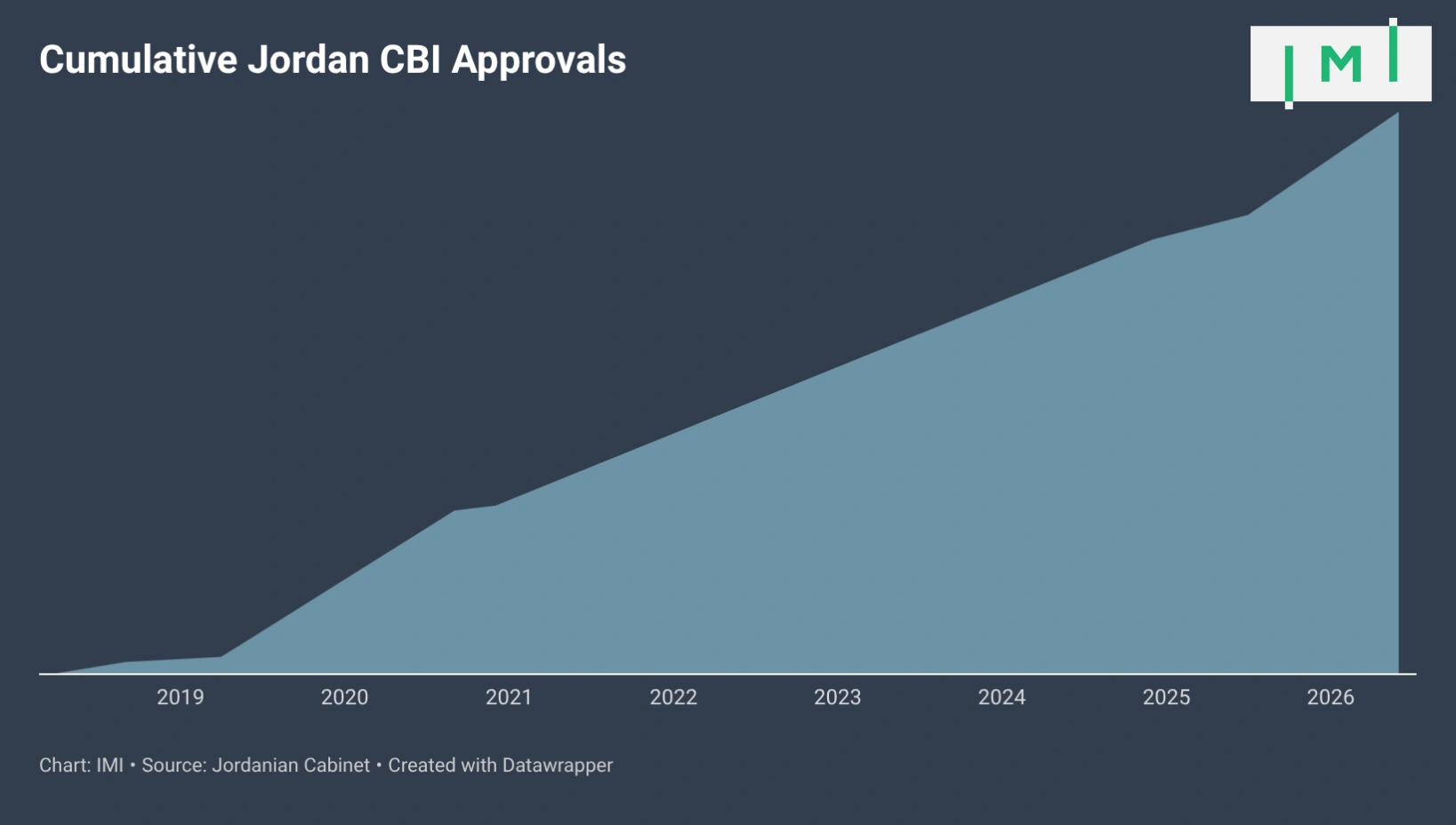
At least US$1.5 million and roughly 36 Jordanian jobs sit behind each file; cumulative approvals reach 687.

Hiran Chohan of Windsor Capital Management argues the EU’s 2028 ultimatum targets a motive most of his African clients don’t have.
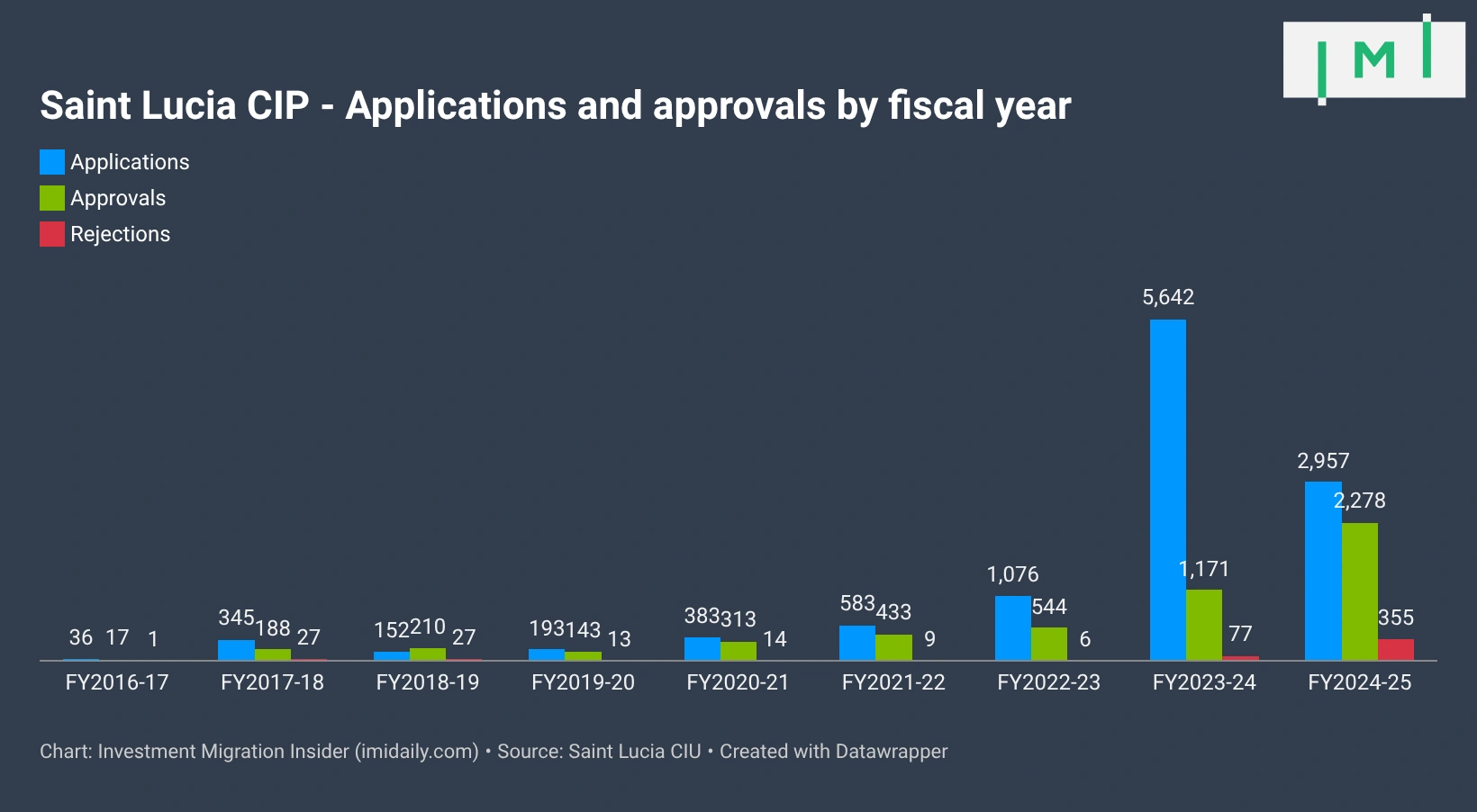
A record denial rate is one of several findings, alongside a considerable fall in bond applications.
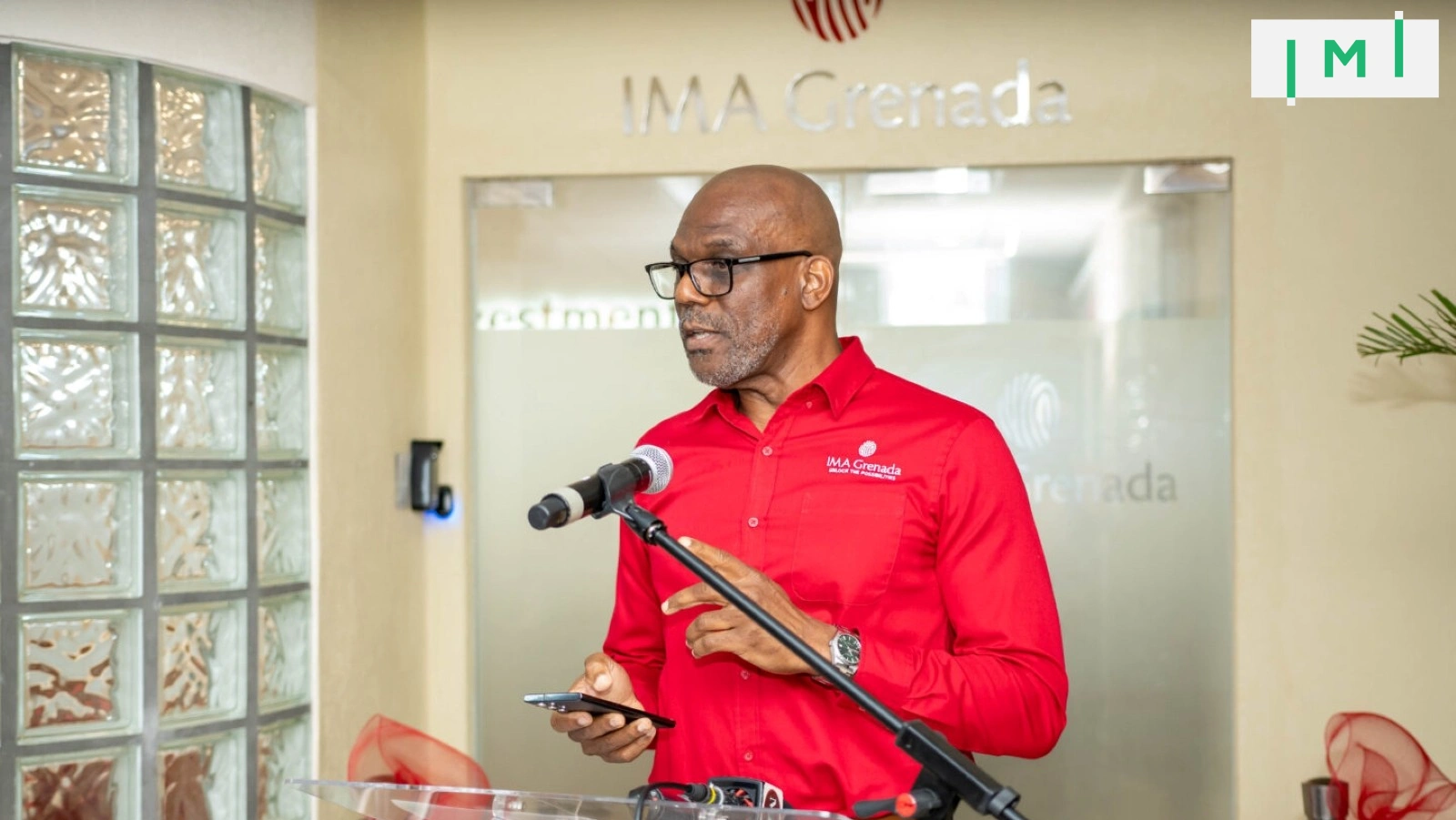
ECCIRA would gain a veto over agent licenses, and any license granted without its no-objection notice would be null and void.

At IGS 2026, Prime Developments hosted investors at its Prime Creative Arts Centre, now rising in the hills above Basseterre.

One Dominican developer sent the government 14 letters in seven years over illegal discounting. He says no action was taken.

Secret Bay has now paid out US$7.8M to villa owners. Q1 2026 ROI distributions alone jumped nearly 70% year over year.
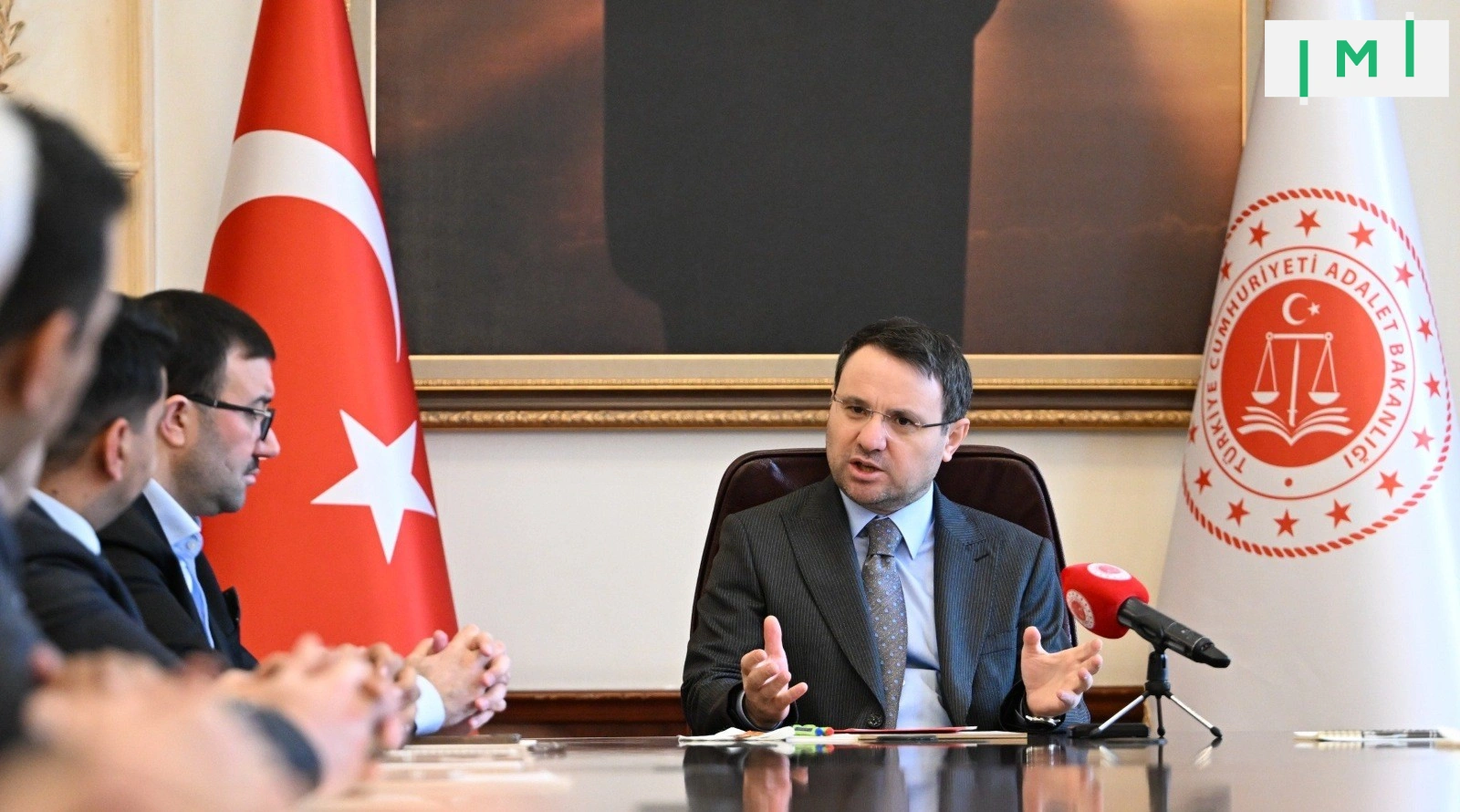
Cancelled citizens revert to foreigner status with one year to sell their Turkish property, or the Treasury sells it for them.

Remove Europe from a Caribbean passport and you remove what justified the price, argues Migronis co-founder Neringa Bulakiene.

Ernest Hilaire says Brussels shifted from fixing programs to ending them; Dominica’s opposition puts CBI at 56.7% of recurrent revenue.
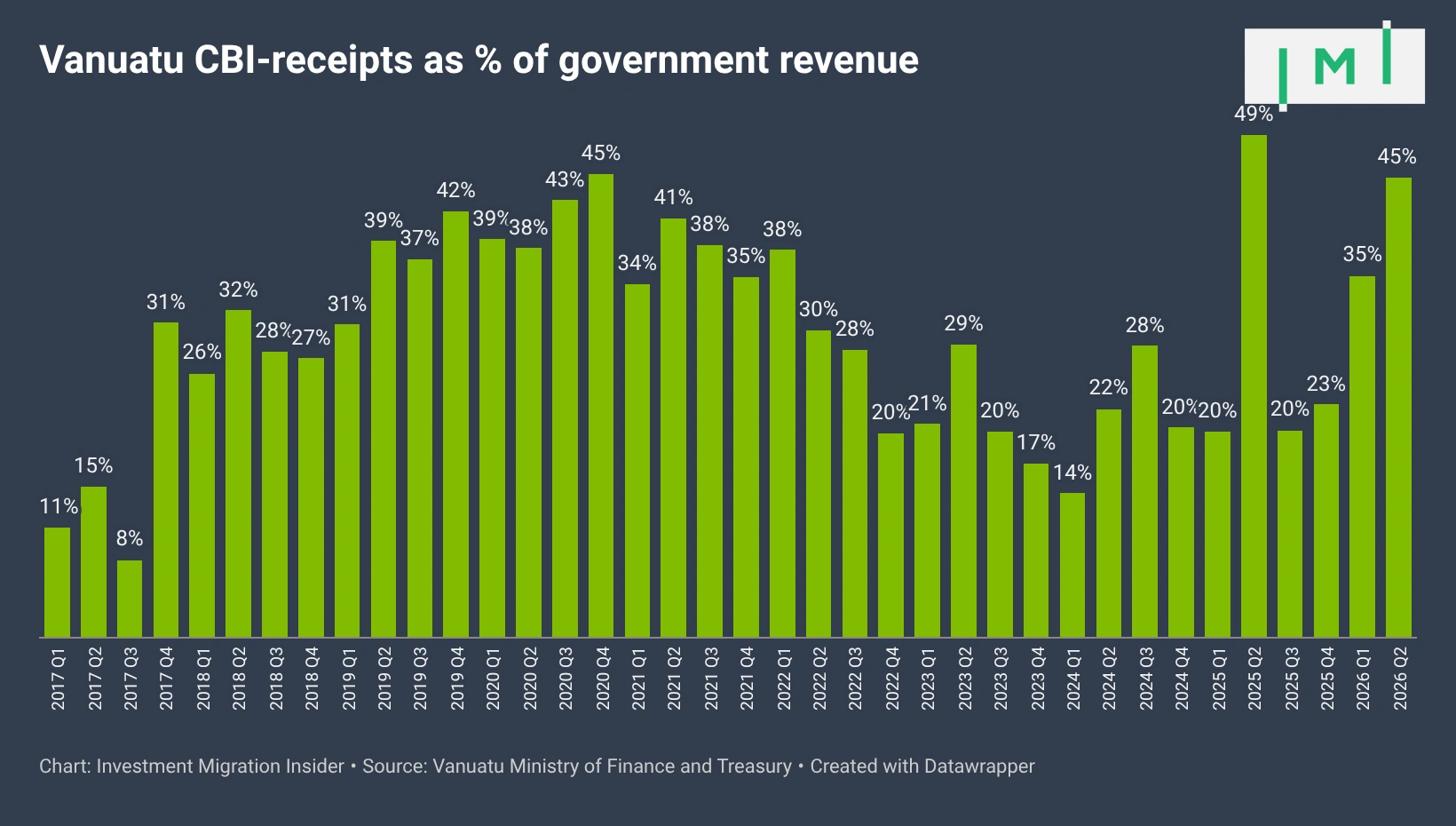
The country’s experience hints at a lucrative “life after Schengen” that Caribbean leaders will observe closely.

Mark Brantley says reform was never going to work and Malta was the warning. Part of his plan for after 2028 is a stalled project.

A first multilateral biometric arrangement for DHS. It sharpens CBI vetting but leaves Proclamation 10998’s visa restrictions untouched.

Nothing changes for the investment program today. Its constitutional foundation is another matter.

If Schengen access goes, Rafael Cintron sees the Caribbean cutting prices and selling harder, Vanuatu-style, not folding.