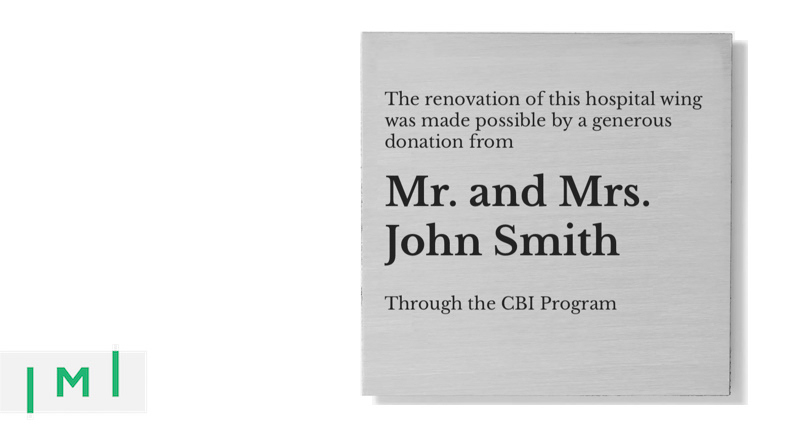
To Gain Popular Acceptance of RCBI, Draw a Direct Line Between Investors and Their Contributions
Michael Krakat argues that the solution RCBI-skepticism is to tie the investor directly and visibly to particular – and commendable – projects.

Michael Krakat argues that the solution RCBI-skepticism is to tie the investor directly and visibly to particular – and commendable – projects.
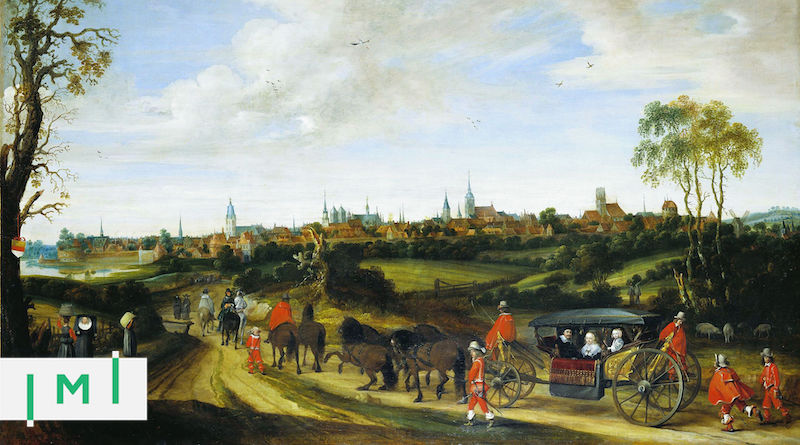
Part 2 of Michael Krakat’s series on how concepts of nationhood and citizenship are perceived differently in the South Pacific and what that means for CBI planners.
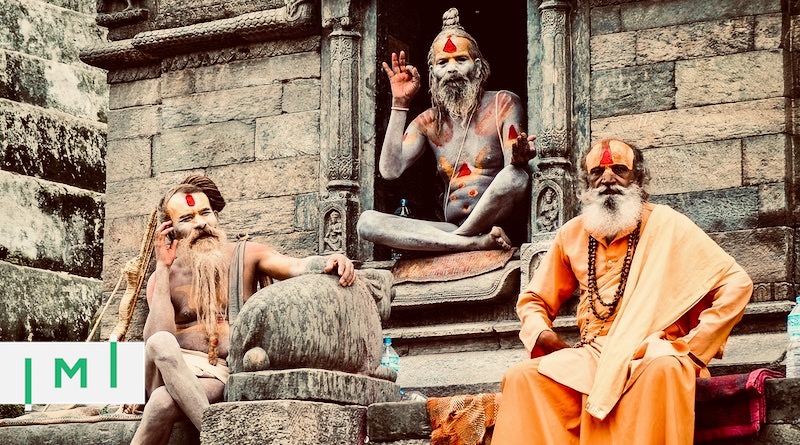
Australia has made it a criminal offense for its citizens to return if they’ve recently been in India. Michael Krakat questions the legality of this move.
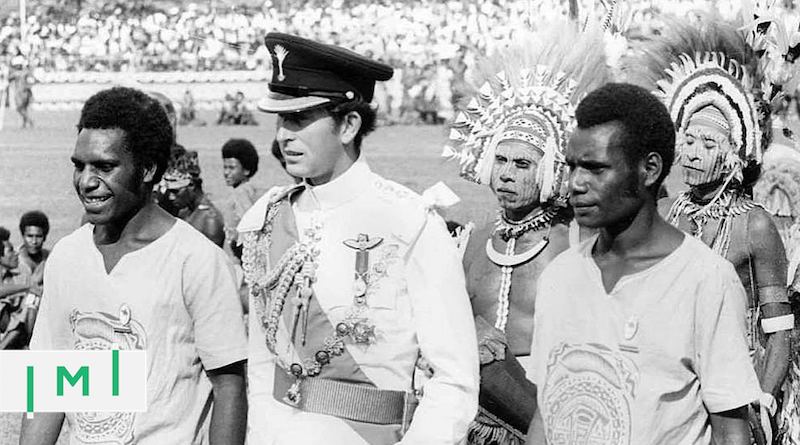
In the South Pacific’s small island states, the notion of citizenship doesn’t have the same meaning as in the cultures whence it came.
Michael Krakat asks: What is a passport’s nominal visa-freedom worth if health-restrictions prevent you from boarding a plane in the first place?

The list of countries offering digital nomad visas as part of COVID-recovery plans is growing quickly, writes Michael B. Krakat.

Legal scholar Michael Krakat outlines the five legal consistencies that must exist for an investment migration program to remain sustainable.

Long-term but temporary stay visas for people who can work from anywhere are in vogue. Michael Krakat evaluates their merits.
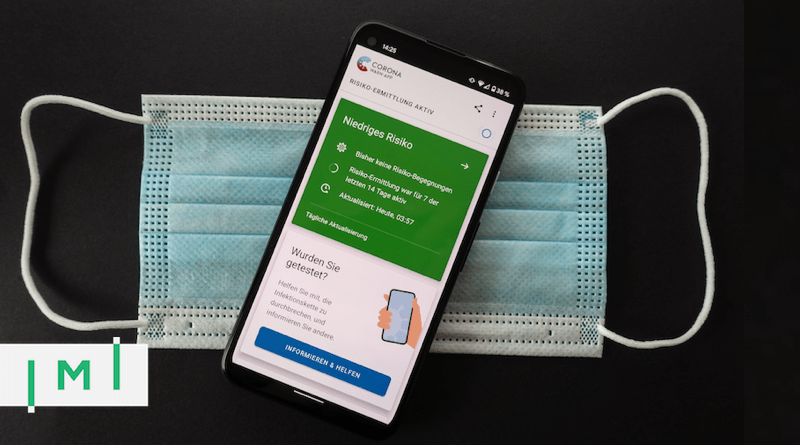
“Health passports may be a proto-version of global citizenship from the ground-up, attached to bodies not borders,” writes Michael Krakat.
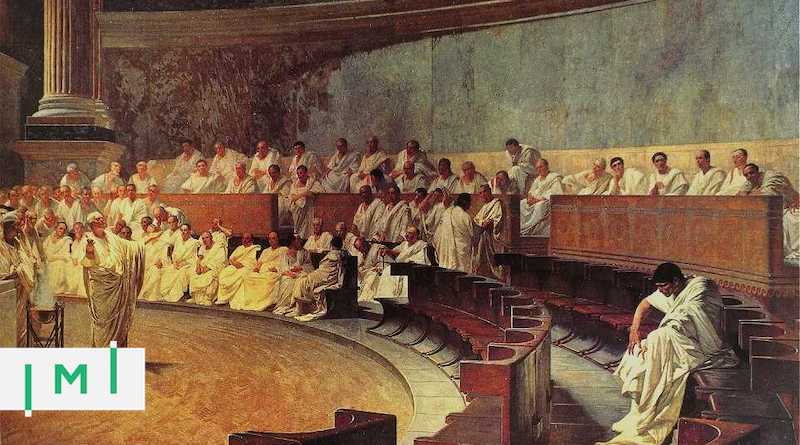
Michael Krakat: The Greeks and Romans had competing views of citizenship: link-based and transaction-based. Little has changed in 2,000 years.
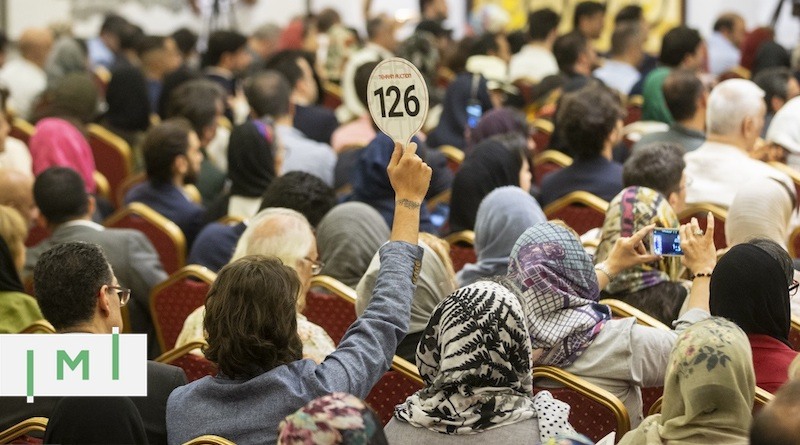
In 2013, Nobel Laureate Gary Becker suggested the best way for a country to attract skilled immigrants was to sell citizenship at auction.
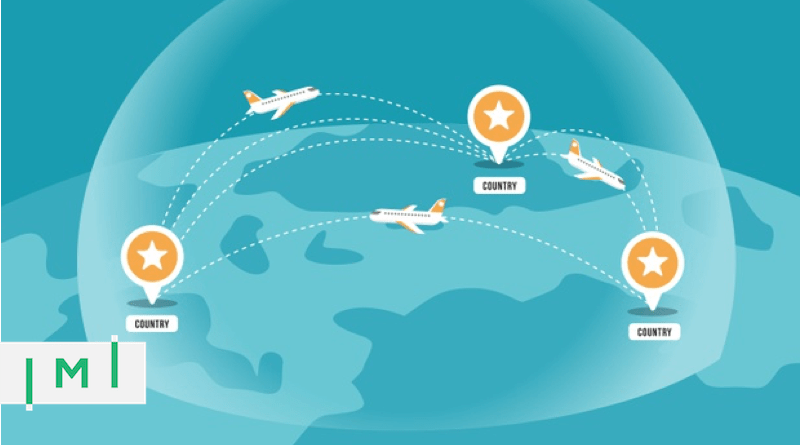
“Travel bubbles” are forming between COVID-safe countries. Michael Krakat asks; are we rebuilding international travel from the ground up?

Tax-saving, transactional schemes lacking genuine links. Michael Krakat explores the oddly familiar-sounding business of ship registries.

The national debt burden is borne by the public. If you are a citizen, you are part of “the public”.
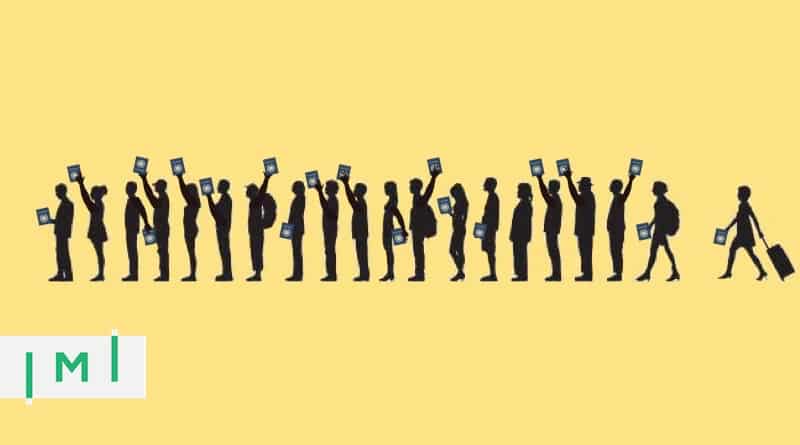
How prepared are small CIP countries for a potential deluge of CBI-citizens who want to move to their COVID-free islands when borders reopen?
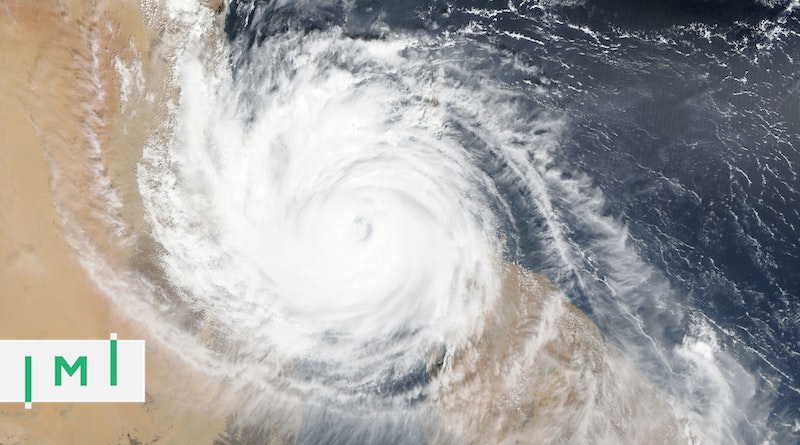
Michael B. Krakat argues that, during crises, apprehensions about RCBI tend to diminish, temporarily clearing the path for expansion.

We’ve temporarily exchanged freedom for safety from mass-contagion. What if the risk of mass-contagion is not temporary, asks Michael Krakat.

The Universal Declaration on Human Rights states that “Everyone has the right to leave any country, including his own, and to return to his country.”