

The Countries That Treat You as a Tax Resident After You Leave
IMI found 21 countries that can tax some people after they move abroad. In 16 of them, the rule depends on your citizenship.
IMI found 21 countries that can tax some people after they move abroad. In 16 of them, the rule depends on your citizenship.

Non-residents would pay on Hungarian property and company stakes, and citizens would count as resident until ten years after leaving.

A tax treaty settles dual residence by applying its tests one at a time, starting with where you have a home available. Each treaty sets its own order, and some differ from the OECD Model. If the treaty picks the other country, Canada treats you as having left, and the UK and Australia do not.

Tax residence is a separate test from immigration status, and only Argentina and Hungary write a permit into it. For every other country on this list, your wealth tax bill turns on days present and on where your assets are.

Belgium became the 17th country to tax you on the way out when its new capital gains regime took effect in January 2026. What each of the 17 charges, who it reaches, and which ones let you defer.

The drafting is finished and the bill reaches parliament in October, at 1% a year on wealth above one billion forint. Hungary’s last wealth tax was struck down over the same problem the new one has yet to solve, which is how to value a stake in a private company.
Dominican citizenship has never made anyone a tax resident, so the flat 10% rate and the end of worldwide taxation reach the retirees and remote workers who move there, rather than the citizens by investment who remain abroad.
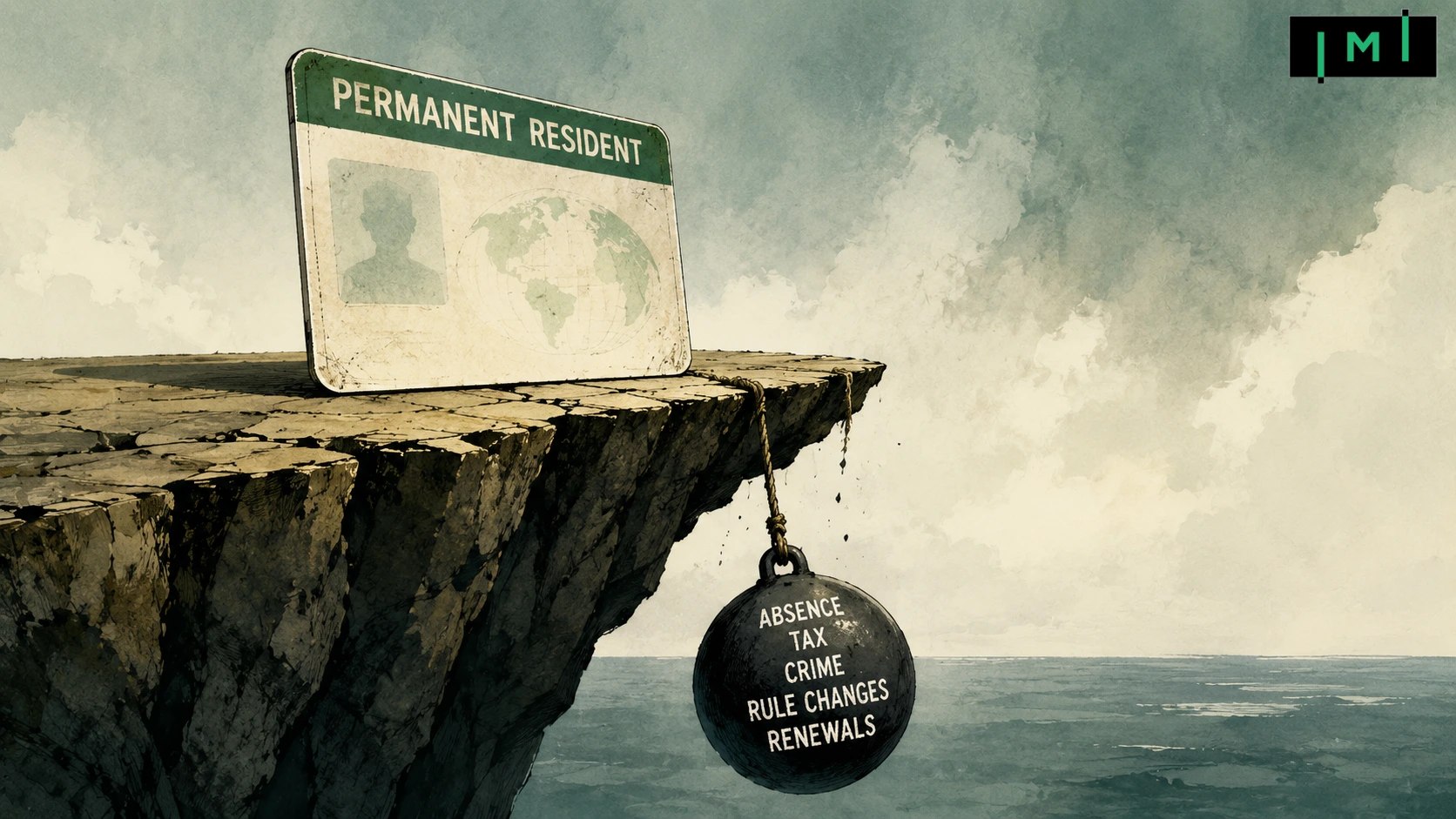
The word “permanent” promises less than most investors assume. A residence permit with no expiry date can still lapse through time abroad, fail to renew, or be withdrawn for a criminal record or a broken tie to the country. The fine print is what keeps the status alive.
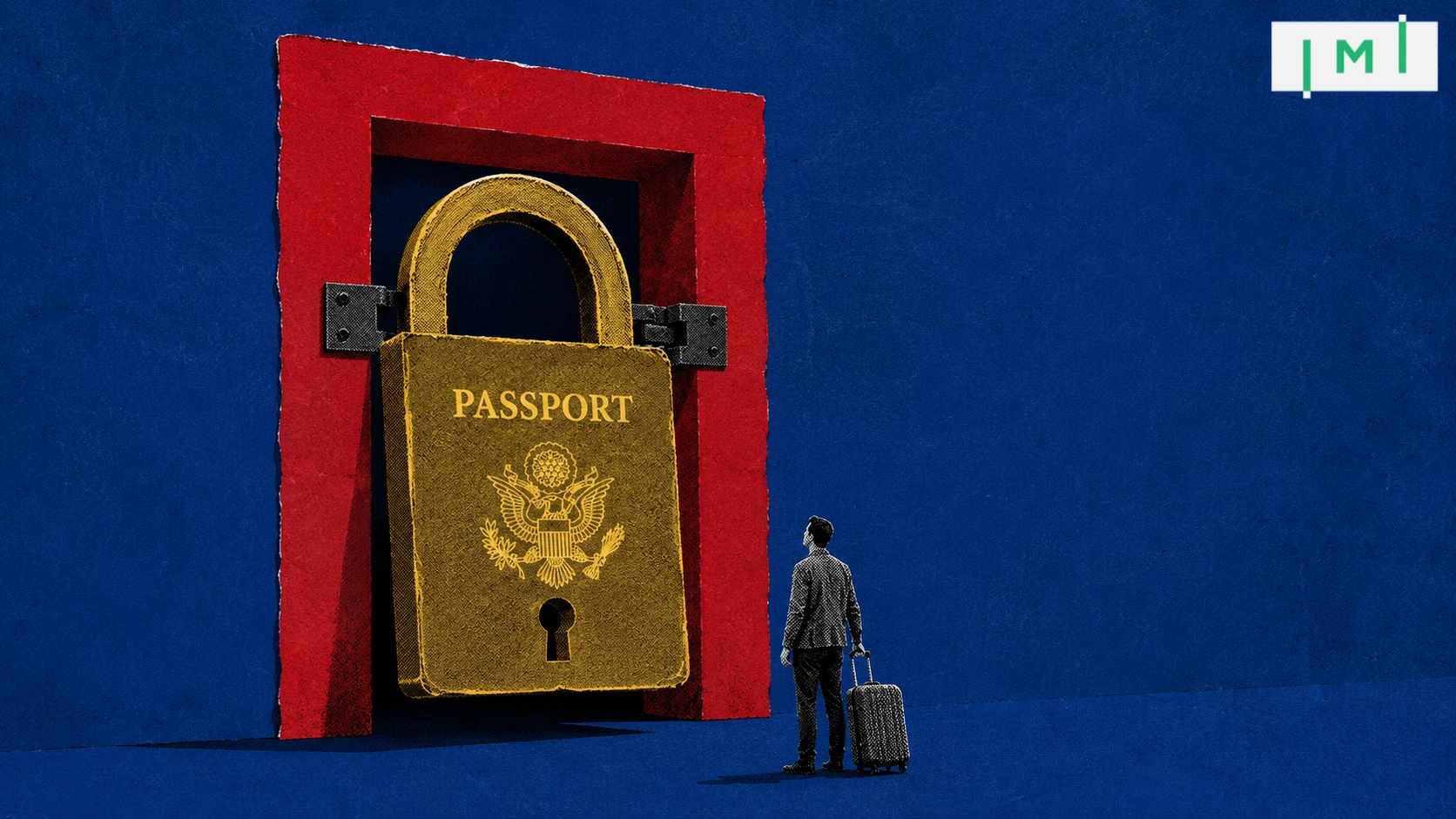
Most people plan where to move. Few ask what their current country can do to stop them. From exit bans to exit taxes to passport revocation, here are the six tools governments use to keep people in place, and the one thing they all have in common.

The price is the last simple number. A home abroad can owe tax every year you hold it, when you sell, and after you die.

Most countries demand 183 days a year before you become a tax resident. A small group of jurisdictions, from Cyprus and the UAE to Anguilla and Mauritius, have codified faster pathways. Here is what each requires and where the catches are.

Over 100 tax authorities now exchange financial account data automatically every year. The list of holdouts is short, the biggest one is a G7 country, and the only durable way to change what gets reported about you is to change where you are tax resident.

Four jurisdictions, four entirely different tax models. The UAE charges nothing, Switzerland charges a lot but predictably, Singapore taxes only what you bring in, and Panama ignores anything earned abroad.

Territorial tax systems leave foreign earnings outside the local tax net. These 15 jurisdictions combine that benefit with real livability, from Singapore to Uruguay.

Not every digital nomad visa leaves your tax situation undisturbed. These 15 do, through zero personal income tax, territorial regimes, or legal exemptions written into the visa itself.

Most people plan where to move. Few consider what their current country will charge them for leaving.

Crypto gains can go untaxed in 21 countries in 2026, through no tax, territorial rules, or an exemption after a set time.

These 28 rules cover everything from passport diversification and tax residency planning to asset protection and location-independent income, practical principles for anyone building a life across borders.

Israel’s Law of Return grants citizenship to anyone with a Jewish grandparent. But the travel document you receive depends on time spent in Israel, and the two documents open different doors internationally.

The UK abolished its 226-year-old non-dom regime in April 2025, but the concept lives on elsewhere. Some countries offer distinct ways to shield foreign income from local taxation.