

6 Months In: Hong Kong’s CIES Receives 500 Applications
Hong Kong’s investment visa scheme could inject HK$15 billion into the economy, yet experts see “significant room for growth.”
Hong Kong’s investment visa scheme could inject HK$15 billion into the economy, yet experts see “significant room for growth.”

Siren Chen compares the five investment- and skills-based routes to Hong Kong residency by cost and difficulty level.

Siren Chen believes the “new CIES could catalyze a vibrant economic resurgence” of Hong Kong and strengthen its ties with Mainland China.

Hong Kong’s revamped investment residency scheme sees an uptick in June applications and approvals in principle.

Hong Kong authorities hope to attract 4,000 applicants a year. Hannah Ma analyzes why the first applicant gained approval in just 23 days.

The government has also issued detailed stipulations for how investors must allocate the HKD 30 million.

Hong Kong’s Chief Executive John Lee has confirmed the program’s new price tag and the exclusion of residential real estate.

The long-awaited revamp of Hong Kong’s CIES is likely to have a HKD30M price tag, writes Hannah Ma, who thinks we’ll know for sure in October.
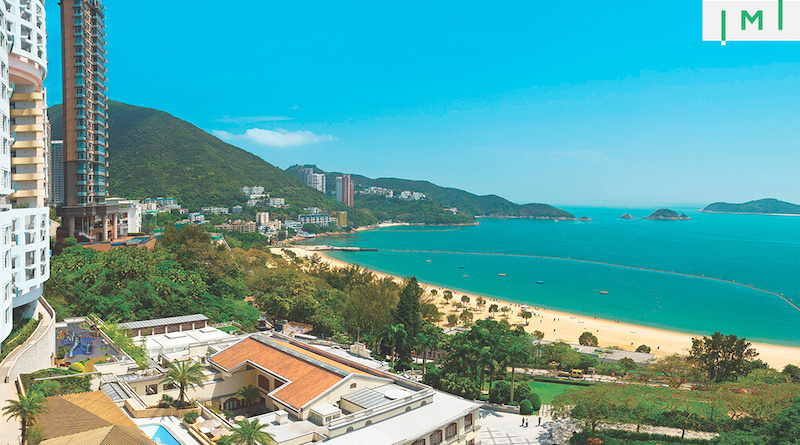
Great power games have cut Russians off from of banking and immigration in many countries. Hong Kong, however, has left the door open, writes Stephen Barnes.

“The UK represents almost one in two exhibitions so far this year,” says Eli McGeever, Vice President of property discovery platform Soho App.
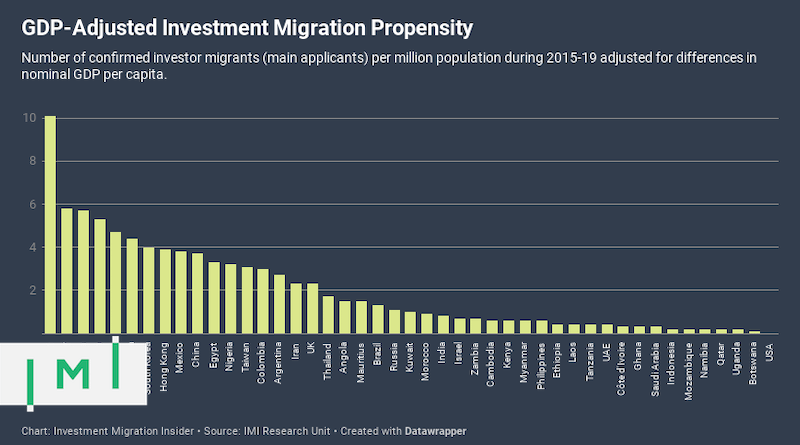
While Hongkongers are more likely than any other nationality to participate in RCBI programs, the Vietnamese are unrivaled when differences in wealth are taken into account.
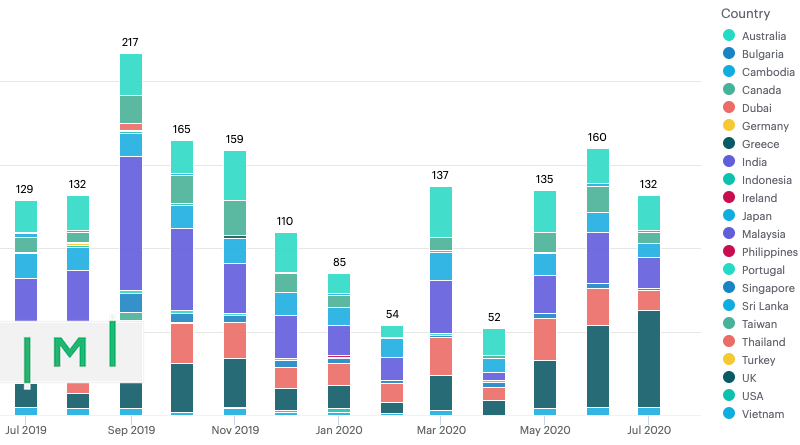
UK property exhibitions accounted for more than half of the city’s total in the last two weeks of July, writes Eli McGeever.

Hong Kong’s BN(O)s thinking of taking up the UK’s visa offer must be ready to burn personal and financial bridges, writes David Lesperance.

“Now that China, through its actions, has changed the circumstances that BN(O) citizens find themselves in, it is right that we should change the entitlements which are attached to BN(O) status.” said the Home Secretary.

In the absence of new legislation, litigation blocking the order, or a Presidential reversal, Hong Kong’s EB-5 investors are in for retrogression.

IIUSA’s Lee Y. Li conducts a detailed statistical analysis on EB-5 investment trends in one of the program’s fastest-growing markets.

Harvey goes into detail about the new CIPs, how they will be structured in terms of investment options, as well as how they might be priced.

“The day after that proposal, we received over a hundred calls,” said Andrew Lo, chief executive at Anlex, a Hong Kong-based immigration consultancy firm.

As Hongkongers scramble for the exit, mainland Chinese say they are having second thoughts about sending their children abroad for school.

The ongoing unrest in Hong Kong and its effects on Portugal’s golden visa and real estate market was a common theme this week.