
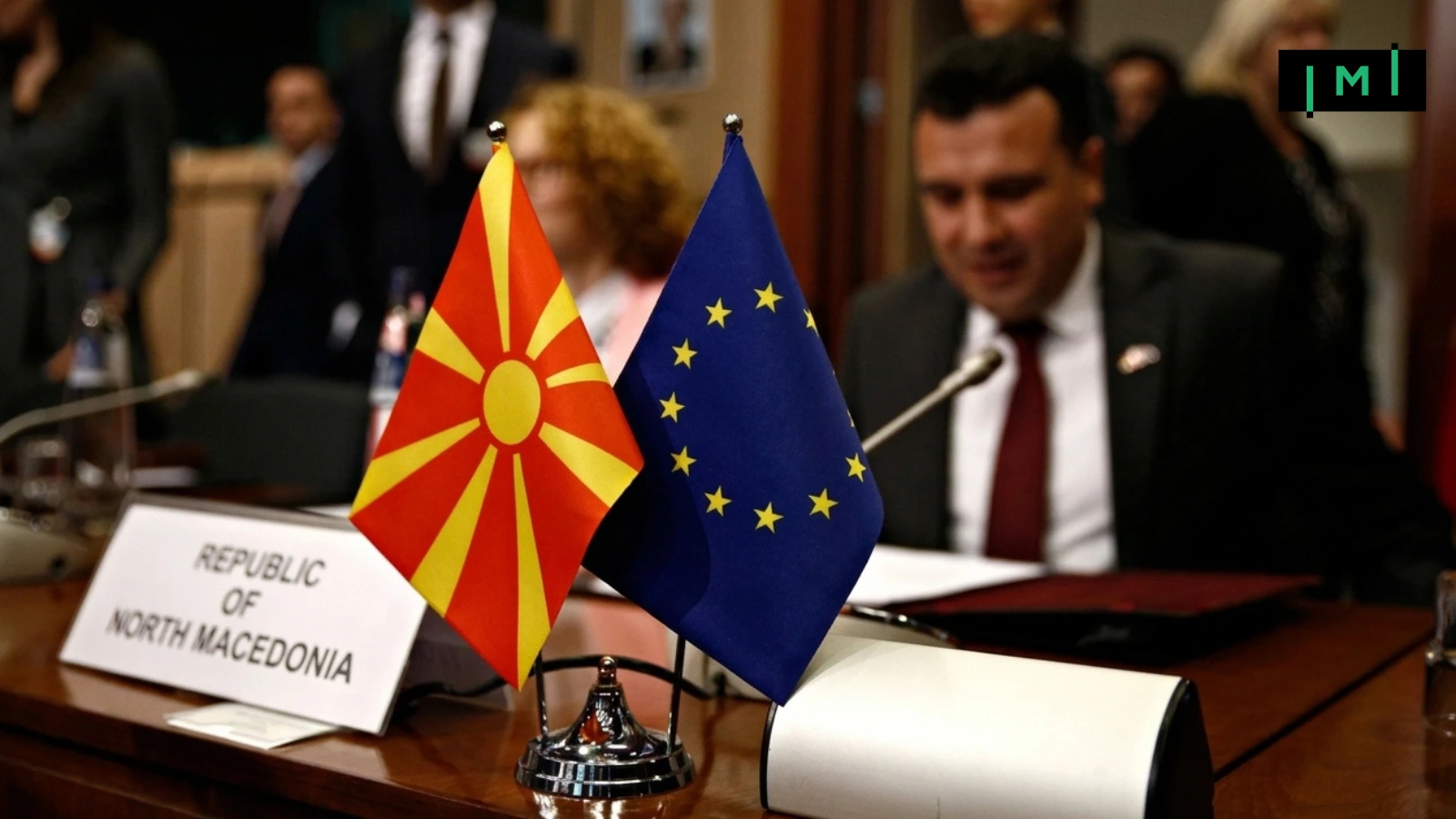
North Macedonia to Scrap €400,000 Citizenship Threshold, Brussels Wants Full Repeal
Skopje removes the price tag but keeps the product: discretionary passports for “special interest” individuals remain on the table.
Skopje removes the price tag but keeps the product: discretionary passports for “special interest” individuals remain on the table.

Turkey, Egypt, and Cambodia pass citizenship down without limit, while three of the five Caribbean programs pass nothing down automatically.
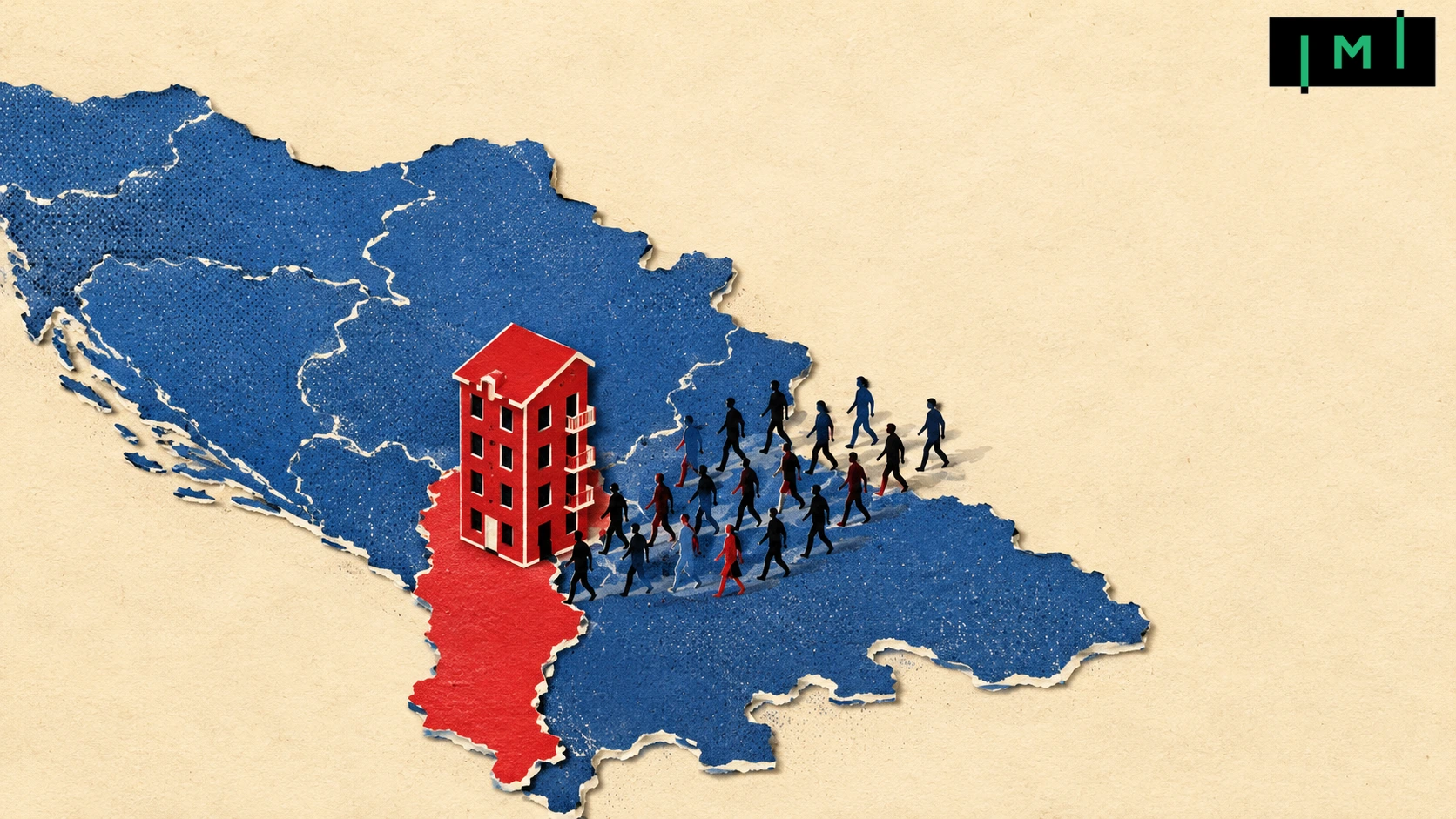
The Western Balkans look cheap and uniform from the outside. Scored on the fundamentals that drive long-term property returns, the region’s six capitals pull sharply apart, and the EU accession frontrunner is not the one that comes out on top.

As the Common Reporting Standard swallows the last holdouts, a short list of jurisdictions still sits outside automatic exchange of financial information.

The EU Commission also revealed that North Macedonia has received five economic citizenship applications but is yet to process any.

At least 32 applications remain in processing, some of which were filed in Q2 last year and approved in principle last August.
John Hanafin also says North Macedonia and Albania “are about five years ahead of Montenegro” in terms of becoming EU members.

Sam Bayat of Bayat Legal Services spoke about the early days in Montreal, his recommendations for the IMC, and the latest updates on CBI in North Macedonia.

IMI has obtained evidence (not the same as proof) indicating the North Macedonian CIP is both government-sanctioned and operational.
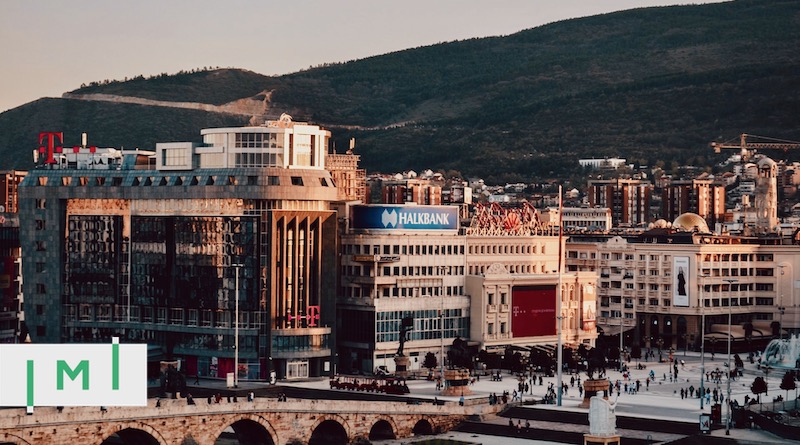
In an exhaustive Q&A, we ask: Is it a government-sanctioned program? Who can become an agent? What are the fees? Was there a tender? and more.

Crunch time for EB-5, the North Macedonian surprise, why Canada makes immigration so hard, business as usual in the Caribbean, and much more.

There’s been talk of opening a CIP in North Macedonia for several years. Developments this week indicate such an event is now close at hand.

These four countries have the necessary economic, demographic, and political ingredients to open Europe’s next citizenship by investment program, writes Ahmad Abbas.