The residency-by-investment business splits into two camps. Golden visas trade capital for mobility rights through financial transactions. Write a check, maintain a minimal presence, and collect a passport. Alternative programs like Portugal’s HQA® Visa make residency contingent on job creation and innovation transfer.
Portugal illustrates the divergence. The country processes thousands of golden visa applications despite backlogs stretching past two years. Meanwhile, Portugal’s HQA® Visa approves applications in 30 business days, on average.
The gap between these models reveals where the market is headed.
The Golden Visa Value Proposition
On paper, golden visas offer uncomplicated transactions. You invest €500,000 in a Portuguese fund, maintain minimal physical presence, and get a pathway to EU citizenship after five years. There’s no business to manage, no employees to hire, no compliance monitoring beyond keeping the investment active.
That simplicity explains their popularity. Family members get residency without additional investment, and lenient physical presence requirements mean investors can keep their homes and operations wherever they already are. Lives and business arrangements stay intact while mobility rights expand.
Then there’s the processing reality. Portugal’s golden visa backlog now exceeds two years for many applicants. The model only delivers predictable outcomes if you can afford to wait years, which defeats the purpose for most investors.

Why Scrutiny Intensified
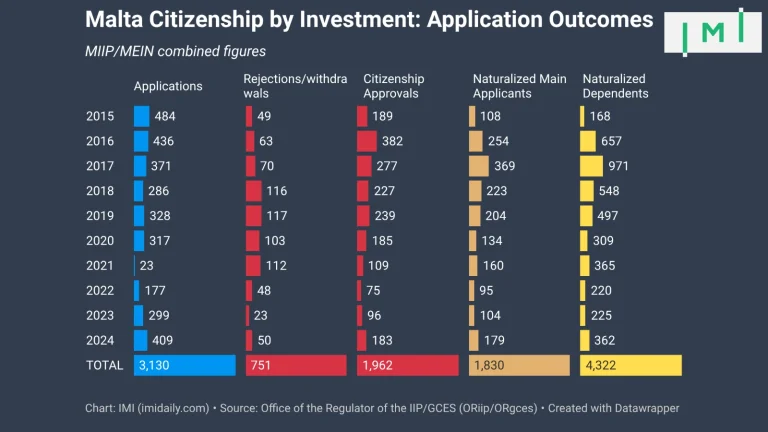
In 2025, the European Commission escalated pressure on member states, including shutting down Malta’s citizenship by investment program. According to Brussels, EU citizenship carries specific rights (free movement across 27 countries, voting privileges) that shouldn’t be available through pure financial transactions.
Host countries saw public perceptions shift as well. Housing affordability concerns pushed Portugal to eliminate real estate as a qualifying investment in 2023. Even when programs follow proper due diligence protocols, questions about security vetting and the source of funds create political vulnerability.
Critics focus on measurability. A €500,000 investment in a government-approved fund generates capital inflow, sure, but tracking what happens next proves difficult. Job creation occurs indirectly if at all, innovation transfer remains theoretical, and tax revenue depends on residency patterns that vary wildly among participants.
What HQA Programs Deliver
HQA programs flip the script by requiring operational engagement from day one. Portugal’s HQA® Visa makes entrepreneurs establish businesses within the country in partnership with a university or research institution.
This approach addresses the golden visa critique head-on. Job creation becomes something you can count rather than theorize about, and knowledge transfer happens through university partnerships.
The processing speed alone creates a decisive advantage. Approvals in 30 business days, on average, versus multi-year backlogs matter enormously when you need residency to be sorted quickly, and investment minimums run lower than golden visa thresholds.
More fundamentally, merit replaces capital as the primary criterion. Instead of just processing wire transfers, governments evaluate business viability, employment plans, and innovation potential. This naturally attracts entrepreneurs to build sustainable operations rather than investors hunting for the cheapest passport pathway.

Where Regulatory Pressure Points
EU member states face direct pressure to modify or eliminate golden visas. The Commission’s position on citizenship-by-investment looks firm, and countries maintaining programs risk formal proceedings and potential penalties.
Investors planning five to ten-year citizenship pathways face tangible risk from this regulatory environment. Programs could disappear or restructure substantially before citizenship eligibility arrives. Portugal’s elimination of real estate investments in 2023 shows how quickly rules change when political pressure builds.
HQA programs face entirely different regulatory dynamics. Governments keep the flexibility to adjust job creation requirements or compliance standards, but the basic model draws less political opposition. When programs emphasize employment and innovation, they align better with policy objectives around economic development.
The EU actively encourages member states to attract entrepreneurs, researchers, and innovators. HQA programs sit comfortably within this framework rather than fighting against it.
Two Models, Different Risk Profiles
Golden visas aren’t disappearing immediately. Application volumes in Portugal and Greece show ongoing demand despite processing delays and regulatory uncertainty. Investors valuing simplicity above everything else still have options, particularly in non-EU jurisdictions where supranational pressure doesn’t exist.
But EU member states face concrete pressure to eliminate or substantially restructure programs. Portugal already eliminated real estate investments, Malta shut down its citizenship by investment program, and Spain suspended its golden visa.
Banking on program stability through a five-year citizenship timeline means accepting political risks that didn’t exist five years ago.

Multi-year processing times layer practical risk onto political uncertainty. Two years to process a golden visa application means investors starting citizenship pathways now won’t know their status until 2028. Market conditions, regulatory frameworks, and political sentiment could shift dramatically in that timeframe.
HQA programs carry operational risk instead of political risk. Businesses fail, compliance requirements change, and monitoring standards evolve.
But governments face less domestic opposition to programs emphasizing job creation and innovation. Policy justification holds up better when constituents see meaningful contributions to the country rather than passive capital inflows.
How Empowered Startups Built Around This Shift
Portugal’s 45,000-application backlog versus 30-day average HQA® processing captures the market transformation happening right now. Investors needing residency sooner can’t wait years for golden visa backlogs to clear. Those planning five years out face mounting political risk that programs will disappear or restructure before citizenship eligibility arrives.
Empowered Startups HQA® Visa solves problems that golden visas created: interminable delays, regulatory vulnerability, and reputational damage from industry bad actors. Clients build businesses that generate employment and tax revenue, creating residency foundations governments want to approve rather than scrutinize.
The HQA® model aligns with where European policy is headed. Merit-based programs built on economic contribution face no EU-level opposition. Member states can operate these programs without risking formal warnings or policy reversals. That regulatory certainty matters when you’re planning multi-year citizenship pathways.
Golden visas served a purpose when European governments competed primarily on investment thresholds and processing speed. That era is ending as backlogs extend to two years, regulatory pressure intensifies, and industry problems undermine political support.
Investors who can operate businesses are choosing speed, stability, and merit over simplicity and uncertainty. Those who can’t are finding fewer viable options each year as processing times extend and political pressure intensifies.
Empowered Startups positions clients on the right side of this shift. We turn operational complexity into competitive advantage, helping investors build residency pathways through businesses that governments actively want in their jurisdictions.
The golden visa era isn’t over everywhere, but the future belongs to residence by merit and impact, and we’re already there.
To learn more, contact Empowered Startups via our website or the form below.