

On Friday, September 21, 2025, President Trump signed a series of executive orders that purported to make several substantial changes to US economic immigration relating to H-1B visas and green cards. He also announced that the Trump administration would release the previously announced $5M Trump Card with a few modifications and three new tiers.
Most notably, the new rules would limit holders of the rebranded Platinum Card to only 270 days of physical presence before full US taxation on a worldwide basis would apply to them.
Are Executive Orders “Law”?
Most legal scholars generally acknowledge that, like many of his prior executive orders, these particular executive orders and announcements are ultra vires (i.e., beyond the legal authority) of even the most expansive unitary presidential power interpretation. In some cases, these executive orders violate the Constitution, and in other cases, they would require Congressional approval to become actual law.
However, these executive orders do have an immediate de facto impact even if they do not constitute actual law when Trump signs them.
The executive order on birthright citizenship provides an excellent example. While it clearly contradicts the Fourteenth Amendment to the United States Constitution, the US Supreme Court will take a considerable amount of time before it eventually rules on the constitutionality of this January 20, 2025, executive order.

In the meantime, along with appeasing his MAGA voting base, he has also altered the behaviour of those non-American future parents who had planned to give birth in the US. This group includes not only “birth tourists,” undocumented illegal immigrants, and those legally in the US on non-immigrant visas, but also those with green card status.

Trump’s signing of this “birthright citizenship executive order” froze the bureaucracy in place and inserted a sliver of doubt in parental minds that the courts would not strike it down. In a practical sense, it created real bureaucratic difficulty for those soon-to-be parents on such important issues as the issuance of US passports to their newborns.
Given that those who had already become pregnant would certainly give birth before the Supreme Court of the United States (SCOTUS) would decide the issue, many chose not to give birth in the US.
Therefore, the administration achieved a real-world impact of curbing what they perceived as the “problem of birth tourism,” even though they likely lacked the legal authority to directly ban it.
So, leaving aside for the moment whether the various orders or announcements ever become law, let’s look at their tangible impact.

What real-world impact does the proposed $100K H-1B fee have?
One immediate impact has resulted from employers and current H-1B holders lacking enough specificity from the executive order to know what the new proposed rules purported to establish.
The resulting confusion caused chaos as many H-1B holders either canceled travel plans or raced back to the US before the stated September 21st implementation date.
In the medium and long term, human resource and other executives at employers of H-1B visa holders are now rethinking their employment plans. They recognize that, despite slim majorities in both houses of Congress, President Trump will probably manage to get the required legislation passed to make this proposed fee a reality in the future.
Their economic calculation now requires them to determine whether they should:
- Spend the time and money to train a new US graduate to the point where they become a viable employee in the future; or
- Hire a qualified and experienced foreigner to immediately hit the ground running.
This calculation will also need to account for whether this fee ultimately represents a one-time or an annual cost.
What impact does the new proposed $1M “Gold Card” have?
Like the H-1B fee, the changes this executive order proposes have injected a great deal of uncertainty into many areas of US economic immigration. Also, like the H-1B fee, one must assume that a pliable US Congress will pass future legislation that transforms these somewhat vague proposals into specific future law.
However, what will this proposal’s possible real-world immediate impact look like? I think that, like expectant parents, foreigners will freeze in place until Congress eventually addresses the actual implementing legislation. For example:
- EB-5 Visas: Will this effectively cannibalize the current EB-5 market by providing a faster option, which avoids long delays that country quotas and bureaucratic processes cause? In short, will those who had pursued a green card under the EB-5 visa route prefer the sunk cost of a donation for a Gold Card over a similar investment in an EB-5 project?
- E1, E2, L1, and O Non-Immigrant Visa holders pursuing green card status through EB3 Visa strategies: Will future legislation dictate minimum investment requirements for these non-immigrant visa categories generally, even if the individuals never intended to pursue green card status through an EB3 strategy?
Those represent the immediate impacts that spring to mind, but undoubtedly cleverer brains than mine can articulate others.

What impact will the proposed new Platinum Card (i.e., Trump Card 2.0) have?
As with the original Trump Card announcement, no executive order exists to examine the details. Rather, an announcement on the trumpcard.gov website states that for “a $5 million contribution, you will have the ability to spend up to 270 days in the United States without being subject to U.S. taxes on non-U.S. income.”
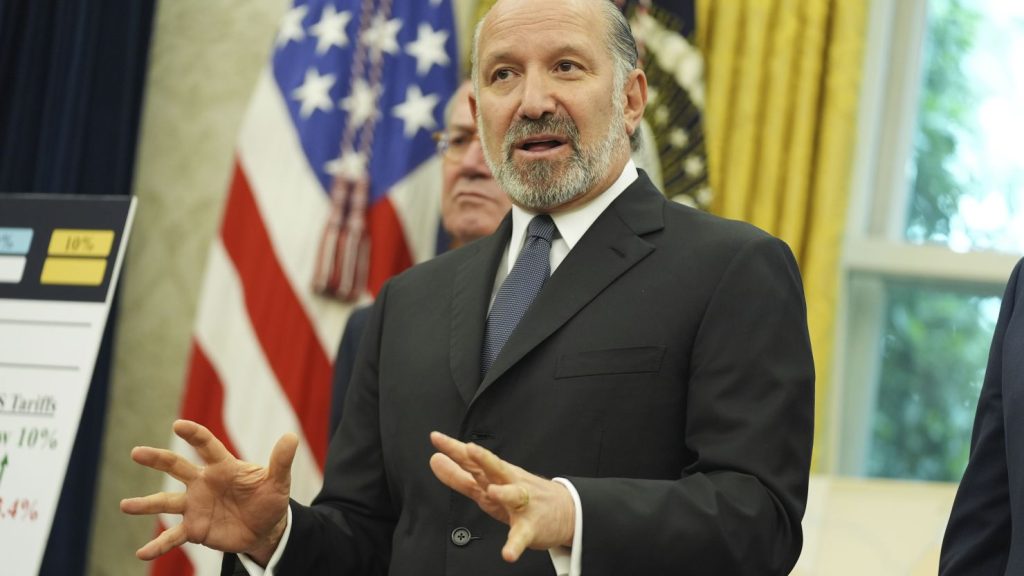
Commerce Secretary Howard Lutnick went further and verbally indicated that the newly named “Platinum Card” would not offer a pathway to citizenship and would need approval from Congress before it launches.
This seems to indicate that this would create a new non-immigrant category with the ability for an individual to spend more than the time the Internal Revenue Code regulations set out for substantial presence before triggering US global tax liability. It also exceeds the maximum 182 days of physical presence for someone claiming a closer connection to avoid becoming a US taxpayer.
It also bears noting that it provides fewer than the full 365 days that the original version of the Trump Card promoted.
The proposed Platinum Card’s main selling feature would allow a holder to spend up to 270 days in the US before triggering US global tax liability. To make such a feature legally possible, Congress would need to pass not only immigration legislation but also new tax legislation to change the existing triggering period.
This represents a heavier lift, given the slim Republican majorities in both houses and possible obstacles such as House Rule XXI clause 5(b).

Assuming that Congress introduces, passes, and the President signs the required immigration and tax legislation into law, as in a prior article on the Trump Card, let’s examine how attractive the proposed Platinum Card appears to the stated target market of ultra-high-net-worth (UHNW) foreigners.
In short, I believe that few people will pay a sunk cost of $5M USD for the benefit of having an additional 91 days of physical presence in the US without becoming US taxpayers.
As I previously described, this target market can already use an integrated strategy of a non-immigrant visa, such as the L-1, E1, or E2, to acquire immigration permission, combined with a Closer Connection position. This will allow them to spend up to 182 days in the US without subjecting themselves to US worldwide taxation.
What does this all mean?
Obviously, these executive orders, while not yet law, have an immediate impact in a variety of areas of US economic immigration. From H-1B holders and employers, to EB-5 promoters, to wealthy foreigners who want to spend time in the US, current plans need to go on hold until Congress digs in to provide some clarity.
Whether all these reactions represent what the Trump administration hoped for, or even anticipated, only time will tell.
IMI Pros who can help with US Immigration
| . | Image | Name | Location | Expertise | IM Programs | Service language(s) | Get Started |
|---|---|---|---|---|---|---|---|
 |
 |
Abdelrahman Hamdy | 🇪🇬 Cairo, Egypt | International Real Estate, Residence and Citizenship by Investment | Antigua & Barbuda CIP Canada Startup Visa Nauru ECRCP Quebec Investor Immigration Program Saint Kitts & Nevis CIP |
English, French, Arabic, Chinese | https://www.imidaily.com/abdelrahman-hamdy/#ask||Ask this IMI Pro a question |
 |
Adam Juchniewicz | 🇻🇨 Saint Vincent and the Grenadines | Residence and Citizenship by Investment | UAE Golden Visa Antigua & Barbuda CIP Cyprus Golden Visa Dominica CIP Grenada CIP Greece Golden Visa Saint Kitts & Nevis CIP Cayman Islands Investor Visa Saint Lucia CIP Latvia Investor Visa Malta Global Residence Program Malta MEIN Malta Permanent Residence Program Nauru Citizenship by Investment Panama Business Investor Visa Panama Qualified Investor Visa Philippines FIV Philippines Retirement Visa (SRRV) Philippines Special Investor Portugal Golden Visa El Salvador Freedom Passport Program Turkey CIP Vanuatu DSP/REO/VCP |
English, Spanish | https://www.imidaily.com/adam-juchniewicz/#ask||Ask this IMI Pro a question | |
 |
Adriano Vieira | 🇵🇹 Lisbon, Portugal | Residence and Citizenship by Investment | Portugal Golden Visa Portugal D7 Visa Portugal HQA Visa, Chile Independent Means Visas, Chile Investor Visa, Spain Golden Visa, Spain Non-Lucrative Visa | English, Spanish, French, Portuguese | https://www.imidaily.com/adriano-vieira/#ask||Ask this IMI Pro a question | |
|
 |
Afshin Sarhangpour | 🇨🇦 Vancouver, Canada | Residence and Citizenship by Investment | Canada Startup Visa Quebec Investor Immigration Program UK Innovator Founder Visa Greece Golden Visa Italy Investor Visa Portugal D7 Visa Portugal Digital Nomad Visa Portugal Golden Visa Portugal HQA Visa Turkey CIP United States E2 Visa United States EB-5 |
English, Farsi, Turkish | https://www.imidaily.com/afshin-sarhangpour/#ask||Ask this IMI Pro a question |
 |
Ahsan Khaliq | 🇦🇪 Dubai, UAE | Residence and Citizenship by Investment | UAE Golden Visa Antigua & Barbuda CIP Dominica CIP Spain Golden Visa Grenada CIP Greece Golden Visa Saint Kitts & Nevis CIP Saint Lucia CIP Latvia Investor Visa Malta Permanent Residence Program Nauru ECRCP Portugal D7 Visa Portugal Digital Nomad Visa Portugal Golden Visa United States E2 Visa |
English, Urdu | https://www.imidaily.com/ahsan-khaliq/#ask||Ask this IMI Pro a question | |
 |
Alaattin Kilic | 🇺🇸 Miami, US | Residence and Citizenship by Investment | UAE Golden Visa, United States E2 Visa | English, Spanish, French, Hindi, Urdu, Turkish | https://www.imidaily.com/alaattin-kilic/#ask||Ask this IMI Pro a question | |
|
 |
Alexander Bello | 🇦🇪 Dubai, UAE | Residence and Citizenship by Investment | Antigua & Barbuda CIP Australia BIIP Investor Streams Bahamas Economic PR Barbados Welcome Stamp Cambodia M2H Canada Startup Visa Cyprus Golden Visa Dominica CIP Greece Golden Visa Grenada CIP Latvia Investor Visa Malta MEIN Malta Permanent Residence Program Monaco Carte de Séjour Panama Business Investor Visa Panama Qualified Investor Visa Panama Rentista Retirado Visa Paraguay Permanent Residency Program Philippines Special Investor Saint Kitts & Nevis CIP Saint Lucia CIP Turkey CIP Uruguay Independent Means Visa Vanuatu DSP/REO/VCP Nauru |
English, Italian, German | https://www.imidaily.com/alexander-bello/#ask||Ask this IMI Pro a question |
 |
Alexander Osetinskiy | 🇪🇸 Valencia, Spain | Residence and Citizenship by Investment, International Tax and Wealth Planning | UAE Golden Visa Spain Non-Lucrative Visa Spain Golden Visa Portugal Golden Visa Portugal D7 Visa Portugal HQA Visa Turkey CIP Spain Digital Nomad Visa |
English, Russian | https://www.imidaily.com/alexander-osetinskiy/#ask||Ask this IMI Pro a question | |
|
 |
Alexander Risvas | 🇬🇷 Athens, Greece | Residence and Citizenship by Investment | Greece Golden Visa Greece FIP | https://www.imidaily.com/alexander-risvas/#ask||Ask this IMI Pro a question | |
|
 |
Alexandre Cunha Elias | 🇵🇹 Lisbon, Portugal | Residence and Citizenship by Investment | Portugal Golden Visa | English, Portuguese | https://www.imidaily.com/alexandre-cunha-elias/#ask||Ask this IMI Pro a question |
 |
Alnoor Kamani | 🇨🇦 Calgary, Canada | Residence and Citizenship by Investment | UAE Golden Visa Antigua & Barbuda CIP Anguilla PR Program Canada Startup Visa Dominica CIP Spain Golden Visa Grenada CIP Greece Golden Visa Hungary Guest Investor Program Hungary Active Investor Visa Saint Kitts & Nevis CIP Cayman Islands Investor Visa Saint Lucia CIP Latvia Investor Visa Malta Permanent Residence Program Malta MEIN Portugal Golden Visa Portugal D7 Visa Thailand Elite Residence Program Turkey CIP United States E2 Visa United States EB-5 Vanuatu DSP/REO/VCP |
English, Arabic, Hindi | https://www.imidaily.com/alnoor-kamani/#ask||Ask this IMI Pro a question | |
 |
Ana Rita Figueiras | 🇵🇹 Lisbon, Portugal | Residence and Citizenship by Investment | Portugal Golden Visa | English, Portuguese, Spanish | https://www.imidaily.com/ana-figueiras/#ask||Ask this IMI Pro a question | |
 |
Anastasia Barna | 🇦🇪 Dubai, UAE | Residence and Citizenship by Investment | UAE Golden Visa Antigua & Barbuda CIP Canada Startup Visa Dominica CIP Egypt CIP Spain Digital Nomad Visa Spain Golden Visa Spain Non-Lucrative Visa France Financially Independent Person Grenada CIP Hungary Active Investor Visa Hungary Guest Investor Program Jordan CIP Saint Kitts & Nevis CIP Saint Lucia CIP Malta Permanent Residence Program Portugal Golden Visa Turkey CIP United States EB-5 Vanuatu DSP/REO/VCP Russia Investor Visa |
English, Russian | https://www.imidaily.com/anastasia-barna/#ask||Ask this IMI Pro a question | |
 |
André Gonçalves | 🇦🇪 Dubai, UAE | Residence and Citizenship by Investment | Antigua & Barbuda CIP Greece Golden Visa Grenada CIP Malta MEIN Policy Malta Permanent Residence Program Portugal Golden Visa Saint Kitts & Nevis CIP Saint Lucia CIP Turkey CIP Vanuatu DSP/REO/VCP |
English, Portuguese | https://www.imidaily.com/andre-goncalves/#ask||Ask this IMI Pro a question | |
 |
Andy Maher | 🇬🇧 London, UK | Due Diligence | English | https://www.imidaily.com/andy-maher/#ask||Ask this IMI Pro a question | ||
 |
Antoine Saliba-Haig | 🇲🇹 Malta | Residence and Citizenship by Investment, International Tax and Wealth Planning | Antigua & Barbuda CIP Cyprus Golden Visa Dominica CIP Greece Golden Visa Grenada CIP Latvia Investor Visa Malta MEIN Malta Permanent Residence Program Portugal Golden Visa Saint Kitts & Nevis CIP Saint Lucia CIP Spain Golden Visa Turkey CIP UAE Golden Visa United States EB-5 Vanuatu DSP/REO/VCP Malta Digital Nomad Visa Malta Startup Visa Malta Retirement Visa |
English, Maltese, Italian | https://www.imidaily.com/antoine-saliba-haig/#ask||Ask this IMI Pro a question | |
|
 |
Aran Hawker | 🇹🇷 Istanbul, Turkey | Residence and Citizenship by Investment | Turkey CIP | English, Turkish | https://www.imidaily.com/aran-hawker/#ask||Ask this IMI Pro a question |
 |
Asif Ali | 🇦🇪 Dubai, UAE | Residence and Citizenship by Investment | Antigua & Barbuda CIP Canada Startup Visa Cyprus Golden Visa Dominica CIP Grenada CIP Greece Golden Visa Saint Kitts & Nevis CIP Saint Lucia CIP Portugal Golden Visa Turkey CIP Vanuatu DSP/REO/VCP |
English, Punjabi | https://www.imidaily.com/asif-ali/#ask||Ask this IMI Pro a question | |
 |
Aydin Aksoy | 🇹🇷 Istanbul, Turkey | Residence and Citizenship by Investment | UAE Golden Visa Antigua & Barbuda CIP Cyprus Golden Visa Dominica CIP Spain Golden Visa France Financially Independent Person UK Innovator Founder Visa Grenada CIP Greece Golden Visa Hungary Guest Investor Program Saint Kitts & Nevis CIP Saint Lucia CIP Monaco Carte de Séjour Malta MEIN Malta Permanent Residence Program Portugal Golden Visa Turkey CIP United States E2 Visa Vanuatu DSP/REO/VCP |
English, Turkish, Farsi, Azerbaijani | https://www.imidaily.com/aydin-aksoy/#ask||Ask this IMI Pro a question | |
 |
Brendan Metcalfe | 🇵🇹 Lisbon, Portugal | Independent Means Visas, Residence and Citizenship by Investment | Argentina Active Investor Visa (Inversionista) Argentina Rentista and Pensionado Residency Brazil Digital Nomad Visa Brazil Investor Visa (VIPER) Chile Independent Means Visas Chile Investor Visa Colombia Digital Nomad Visa Colombia Investor Visa Costa Rica Independent Means Visas Costa Rica Investor Visa Dominican Republic Independent Means Visas Dominican Republic Investor Visa Ecuador Independent Means Visas Ecuador Investor Visa Spain Non-Lucrative Visa Guatemala Passive Income Visa Honduras Independent Means Visas Honduras Investor Visa Ireland Citizenship by Descent Italy Citizenship by Descent Mexico Legal Residency VisaPanama Friendly Nations Visa Panama Rentista Retirado Visa Peru Independent Means Visa (Rentista) Philippines FIV Portugal Golden Visa Paraguay Independent Means Visa Paraguay Investor Permanent Residency Program (SUACE) El Salvador Freedom Passport Program Uruguay Independent Means Visa |
English, Spanish | https://www.imidaily.com/brendan-metcalfe/#ask||Ask this IMI Pro a question | |
 |
Charlie Maggi | 🇦🇪 Dubai, UAE | Residence and Citizenship by Investment | UAE Golden Visa Antigua & Barbuda CIP Canada Startup Visa Cyprus Golden Visa Dominica CIP France Talent Passport Business Investor France Talent Passport Startup and Business ation UK Innovator Founder Visa Grenada CIP Greece Golden Visa Hungary Guest Investor Program Italy Investor Visa Saint Kitts & Nevis CIP Saint Lucia CIP Latvia Investor Visa Nauru CIP Portugal Golden Visa Paraguay Independent Means Visa Turkey CIP United States EB-5 Uruguay Investor Visa Vanuatu CIP |
English, French, Chinese | https://www.imidaily.com/charlie-maggi/#ask||Ask this IMI Pro a question | |
|
 |
Christopher Lennon | 🇨🇦 Vancouver, Canada | Residence and Citizenship by Investment | Canada Startup Visa France Talent Passport Business Investor Portugal HQA Visa | English | https://www.imidaily.com/chris-lennon/#ask||Ask this IMI Pro a question |
|
 |
Christina Georgaki | 🇬🇷 Thessaloniki, Greece | Residence and Citizenship by Investment | Greece Golden Visa; Greece FIP | English, Greek | https://www.imidaily.com/christina-georgaki/#ask||Ask this IMI Pro a question |
 |
Christina Tabacco | 🇺🇸 United States | Residence and Citizenship by Investment | United States EB-5 | English | https://www.imidaily.com/christina-tabacco/#ask||Ask this IMI Pro a question | |
 |
Csaba Magyar | 🇭🇺 Budapest, Hungary | Residence and Citizenship by Investment, International Tax and Wealth Planning | Hungary Active Investor Visa Hungary Golden Visa Hungary Guest Investor Program Hungary Digital Nomad Visa | English, Hungarian, German | https://www.imidaily.com/csaba-magyar/#ask||Ask this IMI Pro a question | |
|
 |
Dahlia Joseph-Rowe | 🇰🇳 Saint Kitts and Nevis | Residence and Citizenship by Investment | Saint Kitts & Nevis CIP | English | https://www.imidaily.com/dahlia-joseph-rowe/#ask||Ask this IMI Pro a question |
|
 |
Daisy Joseph-Andall | 🇰🇳 Saint Kitts and Nevis | Residence and Citizenship by Investment | Saint Kitts & Nevis CIP | English | https://www.imidaily.com/daisy-joseph-andall/#ask||Ask this IMI Pro a question |
|
 |
Dario Montagnese | 🇮🇹 Turin, Italy | Residence and Citizenship by Investment | Italy Investor Visa Italy Elective Residence | English, Italian, Portuguese | https://www.imidaily.com/dario-montagnese/#ask||Ask this IMI Pro a question |
 |
David Comtois | 🇨🇦 Toronto, Canada | Residence and Citizenship by Investment | Canada Startup Visa United States EB-5 United States E2 Visa Quebec Investment Immigration Program |
English, French | https://www.imidaily.com/david-comtois/#ask||Ask this IMI Pro a question | |
 |
David Lawrence Lincoln | 🇵🇾 Asunción, Paraguay | Residence and Citizenship by Investment | UAE Golden Visa Antigua & Barbuda CIP Argentina Rentista and Pensionado Residency Brazil Investor Visa (VIPER) Dominica CIP Grenada CIP Greece FIP Visa Greece Golden Visa Saint Kitts & Nevis CIP Saint Lucia CIP Latvia Investor Visa Malta Permanent Residence Program Malta MEIN Mexico Legal Residency Visa Portugal D7 Visa Portugal HQA Visa Portugal Golden Visa Paraguay Independent Means Visa Paraguay Investor Permanent Residency Program (SUACE) Turkey CIP Nicaragua Canada SUV Hungary Guest Investor Portugal Digital Nomad Visa Greece Digital Nomad Visa Malta Digital Nomad Visa Latvia Digital Nomad Visa Spain Digital Nomad Visa |
English, Portuguese | https://www.imidaily.com/david-lawrence-lincoln/#ask||Ask this IMI Pro a question | |
 |
David Lesperance | 🇵🇱 Gdynia, Poland | Citizenship by Descent, Residence and Citizenship by Investment, US Expatriation, International Tax and Wealth Planning, Family Office Advisory | Antigua & Barbuda CIP, Dominica CIP, Grenada CIP, Saint Kitts & Nevis CIP Saint Lucia CIP Turkey CIP Malta MEIN Policy Australia BIIP Investor Streams Bahamas Economic Permanent Residence Cayman Islands Investor Visa Cyprus Golden Visa Greece Golden Visa Latvia Investor Visa Malta Permanent Residence Program Panama Qualified Investor Visa |
English | https://www.imidaily.com/david-lesperance/#ask||Ask this IMI Pro a question | |
|
 |
David Poston | 🇦🇪 Dubai, UAE | Residence and Citizenship by Investment | Greece Golden Visa Portugal Golden Visa Portugal D7 | English | https://www.imidaily.com/david-poston/#ask||Ask this IMI Pro a question |
 |
Deepesh Agarwal | 🇸🇬 Singapore | Residence and Citizenship by Investment | Antigua & Barbuda CIP Canada Startup Visa Dominica CIP Grenada CIP Greece Golden Visa Italy Investor Visa Saint Kitts & Nevis CIP Saint Lucia CIP Malta Permanent Residence Program Portugal Golden Visa Singapore Global Investor Program Turkey CIP UAE Golden Visa United States EB-5 Vanuatu DSP/REO/VCP |
English | https://www.imidaily.com/deepesh-agarwal/#ask||Ask this IMI Pro a question | |
 |
Demetris Demetriades | 🇨🇾 Paphos, Cyprus | Residence and Citizenship by Investment | Cyprus Golden Visa Greece Golden Visa Greece FIP Visa Cyprus Digital Nomad Visa |
English, Greek | https://www.imidaily.com/demetris-demetriades/#ask||Ask this IMI Pro a question | |
 |
Duaa Jamal | 🇦🇪 Dubai, UAE | Residence and Citizenship by Investment | Antigua & Barbuda CIP Dominica CIP Grenada CIP Saint Kitts & Nevis CIP Saint Lucia CIP Malta MEIN Turkey CIP |
English, Arabic | https://www.imidaily.com/duaa-jamal/#ask||Ask this IMI Pro a question | |
|
 |
Duarte Caldas | 🇵🇹 Lisbon, Portugal | Residence and Citizenship by Investment | Portugal Golden Visa | English, Portuguese | https://www.imidaily.com/duarte-caldas/#ask||Ask this IMI Pro a question |
 |
Dwayne Chauhan | 🇮🇪 Dublin, Ireland | Residence and Citizenship by Investment, International Tax and Wealth Planning | Antigua & Barbuda CIP Dominica CIP Greece Golden Visa Grenada CIP Malta MEIN Policy Malta Permanent Residence Program Portugal Golden Visa Saint Kitts & Nevis CIP Saint Lucia CIP Turkey CIP UAE Golden Visa Vanuatu DSP/REO/VCP |
English | https://www.imidaily.com/dwayne-chauhan/#ask||Ask this IMI Pro a question | |
 |
Elena Ruda | 🇦🇹 Vienna, Austria | Residence and Citizenship by Investment | Andorra Residence Without Lucrative Activity Antigua & Barbuda CIP Austria Independent Means Visa Canada Startup Visa Cyprus Golden Visa Dominica CIP Greece Golden Visa Grenada CIP Malta MEIN Policy Malta Permanent Residence Program Portugal Golden Visa Saint Kitts & Nevis CIP Saint Lucia CIP Spain Golden Visa Turkey CIP UAE Golden Visa United States EB-5 Vanuatu DSP/REO/VCP Hungary Active Investor Visa Portugal Digital Nomad Visa Malta Digital Nomad Visa Spain Digital Nomad Visa Italy Digital Nomad Visa Hungary Digital Nomad Visa Indonesia Digital Nomad Visa Mauritius Digital Nomad Visa |
English, Russian, German | https://www.imidaily.com/elena-ruda/#ask||Ask this IMI Pro a question | |
 |
Eren Cicekdagi | 🇺🇸 San Francisco, US | Residence and Citizenship by Investment | United States EB-5 | English, German, Turkish | https://www.imidaily.com/eren-cicekdagi/#ask||Ask this IMI Pro a question | |
|
 |
Eric G. Major | 🇬🇧 London, UK | Citizenship by Descent, Residence and Citizenship by Investment | Antigua & Barbuda CIP Dominica CIP Grenada CIP Saint Lucia CIP Turkey CIP Malta MEIN Policy Anguilla Permanent Residency Program Australia BIIP Investor Streams Cayman Islands Investor Visa Colombia Investor Visas M and R Greece Golden Visa Malta Permanent Residence Program Portugal Golden Visa |
English, French | https://www.imidaily.com/eric-g-major/#ask||Ask this IMI Pro a question |
|
 |
Evangelia Tsatsomaridi | 🇬🇷 Athens, Greece | Residence and Citizenship by Investment | Greece Golden Visa Greece FIP Greece Digital Nomad Visa | English, Spanish, French, Greek | https://www.imidaily.com/evangelia-iouliatsa-tsomaridi/||Ask this IMI Pro a question |
|
 |
Evelyn Xinxin Xu | 🇭🇰 Hong Kong | Residence and Citizenship by Investment | UAE Golden Visa Antigua & Barbuda CIP Canada Startup Visa Dominica CIP Grenada CIP Greece Golden Visa Hungary Guest Investor Program Saint Kitts & Nevis CIP Saint Lucia CIP Malta Permanent Residence Program Portugal Golden Visa Turkey CIP United States EB-5 Vanuatu DSP/REO/VCP |
English, Chinese | https://www.imidaily.com/evelyn-xinxin-xu/#ask||Ask this IMI Pro a question |
|
 |
Fatma Cakir | 🇹🇷 Istanbul, Turkey | Residence and Citizenship by Investment | UAE Golden Visa Canada Startup Visa Quebec Investor Immigration Program France Talent Passport Business Investor France Talent Passport Startup and Business Creation UK Innovator Founder Visa Greece Golden Visa Hungary Guest Investor Program Italy Investor Visa Jordan CIP Nauru ECRCP Portugal D7 Visa Portugal Digital Nomad Visa Portugal Golden Visa Portugal HQA Visa Singapore Global Investor Program Thailand Elite Residence Program Turkey CIP United States E2 Visa United States EB-5 |
English, Turkish | https://www.imidaily.com/fatma-cakir/#ask||Ask this IMI Pro a question |
 |
Francisco Litvay | 🇵🇾 Asunción, Paraguay | Residence and Citizenship by Investment | UAE Golden Visa Antigua & Barbuda CIP Argentina Active Inrestor Visa (Inversionista) Argentina Rentista and Pensionado Residency Cile Investor Visa Colombia Digital Nomad Visa Colombia Independent Means Visa Colombia Investor Visa Dominica CIP Grenada CIP Ireland Citizenship by Descent Italy Citizenship by Descent Mexico Legal Residency Visa Panama Friendly Nations Visa Poland Citizenship by Descent Portugal Citizenship by Descent Portugal D7 Visa Portugal Digital Nomad Visa Paraguay Independent Means Visa Paraguay Investor Permanent Residency Program (SUACE) Saint Kitts & Nevis CIP Saint Lucia CIP Spain Digital Nomad Visa Spain Non-Lucrative Visa Turkey CIP United States E2 Visa Uruguay Independent Means Visa Vanuatu DSP/REO/VCP |
English, Spanish, Portuguese, German | https://www.imidaily.com/francisco-litvay/#ask||Ask this IMI Pro a question | |
 |
Federico Salmoiraghi | 🇮🇹 Milan, Italy | Residence and Citizenship by Investment | Italy Digital Nomad Visa Italy Elective Residency Visa Italy Investor Visa Italy Representative Office Visa |
English, Italian | https://www.imidaily.com/federico-salmoiraghi/#ask||Ask this IMI Pro a question | |
|
 |
Gary Harland | 🇵🇹 Lisbon, Portugal | Residence and Citizenship by Investment | Greece Golden Visa Portugal Golden Visa Portugal D7 | English | https://www.imidaily.com/gary-harland/#ask||Ask this IMI Pro a question |
|
 |
George Eid | 🇦🇪 Dubai, UAE | Residence and Citizenship by Investment | UAE Golden Visa Antigua & Barbuda CIP Canada Startup Visa Dominica CIP Grenada CIP Greece Golden Visa Hungary Guest Investor Program Saint Kitts & Nevis CIP Saint Lucia CIP Malta Permanent Residence Program Portugal Golden Visa Turkey CIP United States EB-5 Vanuatu DSP/REO/VCP |
English, Arabic | https://www.imidaily.com/george-eid/#ask||Ask this IMI Pro a question |
 |
George Ganey | 🇺🇸 Washington DC, US | Residence and Citizenship by Investment | United States EB-5 United States E2 Visa |
English, Spanish, Catalan | https://www.imidaily.com/george-ganey/#ask||Ask this IMI Pro a question | |
 |
Giannos Aristodemou | 🇨🇾 Paphos, Cyprus | Residence and Citizenship by Investment, Real Estate | Cyprus Golden Visa | English, Greek | https://www.imidaily.com/giannos-aristodemou/#ask||Ask this IMI Pro a question | |
|
 |
Gökçe Emer | 🇹🇷 Istanbul, Turkey | Residence and Citizenship by Investment | Antigua & Barbuda CIP Australia BIIP Investor Streams Canada Startup Visa Dominica CIP Greece Golden Visa Saint Kitts & Nevis CIP Malta Permanent Residence Program Malta MEIN Portugal Golden Visa |
English, Turkish | https://www.imidaily.com/gokce-emer/#ask||Ask this IMI Pro a question |
 |
Güvenç Ketenci | 🇹🇷 Istanbul, Turkey | Residence and Citizenship by Investment | Antigua & Barbuda CIP, Dominica CIP, Grenada CIP, Saint Kitts & Nevis CIP Saint Lucia CIP Turkey CIP Malta MEIN Policy Australia BIIP Investor Streams Cyprus Golden Visa Greece Golden Visa Malta Permanent Residence Program Portugal Golden Visa UK Innovator Founder VisaUnited States EB-5 United States E2 UAE Golden Visa Austria Independent Means Visa Monaco Carte de Séjour Vanuatu DSP/REO/VCP | English, Turkish | https://www.imidaily.com/guvenc-ketenci/#ask||Ask this IMI Pro a question | |
|
 |
Hakan Cortelek | 🇹🇷 Istanbul, Turkey | Citizenship by Descent, Residence and Citizenship by Investment | UAE Golden Visa Canada Startup Visa Quebec Investor Immigration Program France Talent Passport Business Investor France Talent Passport Startup and Business Creation UK Innovator Founder Visa Greece Golden Visa Hungary Guest Investor Program Italy Investor Visa Jordan CIP Nauru ECRCP Portugal D7 Visa Portugal Digital Nomad Visa Portugal Golden Visa Portugal HQA Visa Singapore Global Investor Program Thailand Elite Residence Program Turkey CIP United States E2 Visa United States EB-5 |
English, Turkish | https://www.imidaily.com/hakan-cortelek/#ask||Ask this IMI Pro a question |
 |
Hammad Farooqi | 🇦🇪 Dubai, UAE | Residence and Citizenship by Investment, International Tax and Wealth Planning | Antigua & Barbuda CIP Canada Startup Visa Cyprus Golden Visa Dominica CIP UK Innovator Founder Visa Grenada CIP Greece Golden Visa Saint Kitts & Nevis CIP Saint Lucia CIP Malta Permanent Residence Program Mauritius Permanent Residency Program Portugal D7 Visa Portugal Golden Visa Turkey CIP Vanuatu DSP/REO/VCP |
English, Arabic, Chinese | https://www.imidaily.com/hammad-farooqi/#ask||Ask this IMI Pro a question | |
 |
Hani Alsadi | 🇸🇦 Riyadh, Saudi Arabia | Residence and Citizenship by Investment | UAE Golden Visa Antigua & Barbuda CIP Dominica CIP Grenada CIP Greece Golden Visa Hungary Guest Investor Program Saint Kitts & Nevis CIP Saint Lucia CIP Turkey CIP |
English, French, Arabic, Turkish | https://www.imidaily.com/hani-alsadi/#ask||Ask this IMI Pro a question | |
|
 |
Hannah Ma | 🇸🇬 Singapore | Residence and Citizenship by Investment | Antigua & Barbuda CIP Australia BIIP Investor Streams Canada Startup Visa Cyprus Golden Visa Dominica CIP Greece Golden Visa Grenada CIP Malaysia M2H Visa Malta MEIN Policy Malta Permanent Residence Program Portugal D7 Visa Portugal Golden Visa Saint Kitts & Nevis CIP Saint Lucia CIP Singapore Entrepass South Korea Investor Visa Spain Golden Visa Spain Non-Lucrative Visa Thailand Elite Residence Program Turkey CIP UAE Golden Visa UK Startup/Innovator Visa United States E2 Visa United States EB-5 Vanuatu DSP/REO/VCP Japan Active Investor Visa Hong Kong CIES Taiwan Plum Blossom Vietnam Investor Visa Singapore GIP Taiwan Digital Nomad Visa |
English, Chinese | https://www.imidaily.com/hannah-ma/||Ask this IMI Pro a question |
 |
Hany Mostafa Moawad | 🇪🇬 Cairo, Egypt | Residence and Citizenship by Investment, International Real Estate | Antigua & Barbuda CIP Canada Startup Visa Cyprus Golden Visa Dominica CIP Egypt CIP Egypt Residence by Investment Program Greece Golden Visa Grenada CIP Malta MEIN Policy Malta Permanent Residence Program Portugal Golden Visa Saint Kitts & Nevis CIP Saint Lucia CIP Turkey CIP UAE Golden Visa Vanuatu DSP/REO/VCP |
English, Arabic | https://www.imidaily.com/hany-mostafa-moawad/#ask||Ask this IMI Pro a question | |
 |
Huma Baig | 🇦🇪 Dubai, UAE | Residence and Citizenship by Investment | Antigua & Barbuda CIP Canada Startup Visa Cyprus Golden Visa Dominica CIP UK Innovator Founder Visa Grenada CIP Greece FIP Visa Greece Golden Visa Saint Kitts & Nevis CIP Saint Lucia CIP Malta Permanent Residence Program Mauritius Active Investor Visas Mauritius Permanent Residency Program Mauritius Retirement Visa Portugal D7 Visa Portugal Golden Visa Turkey CIP Uruguay Independent Means Visa Uruguay Investor Visa Vanuatu DSP/REO/VCP |
English, Hindi, Punjabi | https://www.imidaily.com/huma-baig#ask||Ask this IMI Pro a question | |
 |
Ilana van Hussteen-Meyer | 🇵🇹 Lisbon, Portugal | Residence and Citizenship by Investment | Portugal Golden Visa, Portugal HQA Visa, Italy Investor Visa, Italy Elective Residency Visa, Greece Golden Visa, Canada Startup Visa, UAE Golden Visa, United States EB-5 | English, Portuguese | https://www.imidaily.com/ilana-van-huyssteen-meyer/#ask||Ask this IMI Pro a question | |
 |
Ilja Belobragin | 🇷🇺 Moscow, Russia | Residence and Citizenship by Investment | Russia Investor Visa | English, Russian, Swedish | https://www.imidaily.com/ilja-belobragin/#ask||Ask this IMI Pro a question | |
|
 |
Imad Elbitar | 🇹🇷 Istanbul, Turkey | Residence and Citizenship by Investment | Andorra Residence Without Lucrative Activity Antigua & Barbuda CIP Austria Independent Means Visa Canada Startup Visa Cyprus Golden Visa Dominica CIP Greece Golden Visa Grenada CIP Malta Permanent Residence Program Nicaragua Investor PR Program Nicaragua Pensionado and Rentista Visas Panama Business Investor Visa Panama Qualified Investor Visa Panama Rentista Retirado Visa Paraguay Investor PR Program SUACE Paraguay Independent Means Visa Portugal Golden Visa Saint Kitts & Nevis CIP Saint Lucia CIP Turkey CIP UAE Golden Visa United States EB-5 Uruguay Independent Means Visa Uruguay Investor Visa Vanuatu DSP/REO/VCP, Colombia Independent Means Visas |
English, Arabic, German | https://www.imidaily.com/imad-elbitar/#ask||Ask this IMI Pro a Question |
|
 |
Imran Mirani | 🇦🇪 Dubai, UAE | Residence and Citizenship by Investment | Antigua & Barbuda CIP Canada Startup Visa Cyprus Golden Visa Dominica CIP Grenada CIP Greece Golden Visa Hungary Guest Investor Program Saint Kitts & Nevis CIP Saint Lucia CIP Malta Global Residence Program Malta MEIN Malta Permanent Residence Program Portugal Golden Visa Turkey CIP UAE Golden Visa United States EB-5 Vanuatu DSP/REO/VCP |
English, Urdu, Hindi | https://www.imidaily.com/imran-mirani/#ask||Ask this IMI Pro a question |
 |
Isma Javid | 🇬🇷 Athens, Greece | Residence and Citizenship by Investment | Greece Golden Visa | English | https://www.imidaily.com/isma-javid/#ask||Ask this IMI Pro a question | |
 |
Ivan Petrov | 🇧🇬 Sofia, Bulgaria | Residence and Citizenship by Investment | 🇧🇬 Bulgaria Citizenship by Descent 🇧🇬 Bulgaria Residence by Investment |
English, Bulgarian, Chinese | https://www.imidaily.com/ivan-petrov/#||Ask this IMI Pro a question | |
 |
James Hall | 🇸🇬 Singapore | Residence and Citizenship by Investment | Australia BIIP Investor Streams New Zealand Investor Visa |
English | https://www.imidaily.com/james-hall/#ask||Ask this IMI Pro a question | |
|
 |
Jasmin Lopez | 🇲🇽 Mexico City | Residence and Citizenship by Investment | Andorra Residence Without Lucrative Activity Antigua & Barbuda CIP Austria Independent Means Visa Canada Startup Visa Cyprus Golden Visa Dominica CIP Greece Golden Visa Grenada CIP Malta Permanent Residence Program Nicaragua Investor PR Program Nicaragua Pensionado and Rentista Visas Panama Business Investor Visa Panama Qualified Investor Visa Panama Rentista Retirado Visa Paraguay Investor PR Program SUACE Paraguay Independent Means Visa Portugal Golden Visa Saint Kitts & Nevis CIP Saint Lucia CIP Spain Golden Visa Turkey CIP UAE Golden Visa United States EB-5 Uruguay Independent Means Visa Uruguay Investor Visa Vanuatu DSP/REO/VCP, Colombia Independent Means Visas Belize Qualified Retirement |
English, Spanish | https://www.imidaily.com/jasmin-lopez/#ask||Ask this IMI Pro a question |
|
 |
Jason Zha | 🇨🇳 Shanghai, China | International Real Estate, Residence and Citizenship by Investment | Antigua & Barbuda CIP Canada Startup Visa Nauru ECRCP Quebec Investor Immigration Program Saint Kitts & Nevis CIP |
English, French, Arabic, Chinese | https://www.imidaily.com/jason-zha/||#ask||Ask this IMI Pro a question |
 |
Jean-Philippe Chetcuti | 🇲🇹 Malta | Citizenship by Descent, Residence and Citizenship by Investment, International Tax and Wealth Planning | Antigua & Barbuda CIP Cyprus Golden Visa Dominica CIP Greece Golden Visa Grenada CIP Latvia Investor Visa Malta MEIN Malta Permanent Residence Program Portugal Golden Visa Saint Kitts & Nevis CIP Saint Lucia CIP Spain Golden Visa Turkey CIP UAE Golden Visa United States EB-5 Vanuatu DSP/REO/VCP Malta Startup Visa Malta Retirement Visa |
English, Maltese | https://www.imidaily.com/jean-philippe-chetcuti/#ask||Ask this IMI Pro a question | |
 |
Joana Ferreira Reis | 🇵🇹 Lisbon, Portugal | Residence and Citizenship by Investment | Portugal Golden Visa Portugal D7 Visa Portugal HQA Visa Portugal Digital Nomad Visa |
English, Portuguese, Spanish | https://www.imidaily.com/joana-ferreira-reis/#ask||Ask this IMI Pro a question | |
|
 |
Keith Poston | 🇵🇹 Faro, Portugal | Residence and Citizenship by Investment | Greece Golden Visa Portugal Golden Visa Portugal D7 | English | https://www.imidaily.com/keith-poston/#ask||Ask this IMI Pro a question |
 |
Kemal Nicholson | 🇺🇸 United States | Residence and Citizenship by Investment | Antigua & Barbuda CIP Dominica CIP Grenada CIP Malta Permanent Residence Program Portugal Golden Visa Saint Kitts & Nevis CIP Saint Lucia CIP Turkey CIP UAE Golden Visa |
English, Russian | https://www.imidaily.com/kemal-nicholson/#ask||Ask this IMI Pro a question | |
 |
Kenneth Camilleri | 🇲🇹 Malta | Residence and Citizenship by Investment, International Tax and Wealth Planning | Greece Golden Visa Hungary Active Investor Program Malta Digital Nomad Visa Malta Global Residence Program Malta Permanent Residence Program Malta Startup Visa Portugal Golden Visa Saint Kitts & Nevis CIP Turkey CIP United States EB-5 |
English | https://www.imidaily.com/kenneth-camilleri-2/#ask||Ask this IMI Pro a question | |
|
 |
Kevin Hosam | 🇦🇬 Antigua & Barbuda | Residence and Citizenship by Investment | Antigua & Barbuda CIP Dominica CIP Grenada CIP Saint Kitts & Nevis CIP Saint Lucia CIP Turkey CIP Malta MEIN Policy Anguilla Permanent Residency Program Australia BIIP Investor Streams Bahamas Economic Permanent Residence Bermuda Economic Investment Certificate (EIC) Program Cayman Islands Investor Visa Colombia Investor Visas M and R Greece Golden Visa Latvia Investor Visa Malta Permanent Residence Program Portugal Golden Visa |
English | https://www.imidaily.com/kevin-hosam/#ask||Ask this IMI Pro a question |
 |
Khatia Gelbakhiani | 🇬🇪 Tbilisi, Georgia | Residence and Citizenship by Investment | Andorra Non-Lucrative Residency UAE Digital Nomad Visa UAE Golden Visa Antigua & Barbuda CIP Antigua & Barbuda Digital Nomad Visa Albania Digital Nomad Visa Armenia Digital Nomad Visa Armenia Permanent Residence Program Argentina Active Investor Visa (Inversionista) Argentina Rentista and Pensionado Residency Austria Independent Means Visa Barbados SERP Program Barbados Welcome Stamp Bulgaria Residence by Investment Program Bahrain Golden Residence Bermuda Digital Nomad Visa Bermuda Economic Investment Certificate Program Brazil Digital Nomad Visa Brazil Investor Visa (VIPER) Brazil Retirement Visa Canada Startup Visa Quebec Investor Immigration Program Colombia Digital Nomad Visa Colombia Independent Means Visas Colombia Investor Visa Costa Rica Digital Nomad Visa Costa Rica Independent Means Visas Costa Rica Investor Visa Curaçao Digital Nomad Visa Curaçao Investor Permit Program Cyprus Digital Nomad Visa Cyprus Golden Visa Dominica CIP Dominican Republic Independent Means Visas Dominican Republic Investor Visa Ecuador Digital Nomad Visa Ecuador Independent Means Visas Ecuador Investor Visa Estonia Digital Nomad Visa Egypt CIP Spain Digital Nomad Visa Spain Non-Lucrative Visa Fiji Assured Income Permit Fiji Investor Visa France Financially Independent Person France Talent Passport Business Investor UK Innovator Founder Visa Guernsey Investor & Entrepreneur Residency Gibraltar Category 2 HNWI Residence Program Greece Digital Nomad Visa Greece FIP Visa Greece Golden Visa Honduras Independent Means Visas Honduras Investor Visa Croatia Digital Nomad Visa Hungary Digital Nomad Visa Hungary Guest Investor Program Indonesia Digital Nomad Visa Indonesia Investor Visa Indonesia Retirement Visa (KITAS) Ireland Independent Means Visa Iceland Digital Nomad Visa Italy Digital Nomad Visa Italy Investor Visa Italy Representative Office Visa Jersey High Value Residency Jordan CIP Kenya Class G Investor Visa Cambodia CIP Cambodia M2H Saint Kitts & Nevis CIP South Korea Investor Visa Saint Lucia CIP Luxembourg Investor Visa Monaco Carte de Séjour Mauritius Active Investor Visas Mauritius Digital Nomad Visa Mauritius Permanent Residency Program Mauritius Retirement Visa Mexico Legal Residency Visa Malaysia Digital Nomad Visa Malaysia M2H Visa Malaysia PViP Sabah MM2H Sarawak MM2H Nicaragua Investor PR Nicaragua Pensionado and Rentista Visas Nauru ECRCP Panama Business Investor Visa Panama Digital Nomad Visa Panama Friendly Nations Visa Panama Qualified Investor Visa Panama Rentista Retirado Visa Peru Independent Means Visa (Rentista) Philippines FIV Philippines Retirement Visa (SRRV) Pakistan CIP for Commonwealth Citizens Portugal D7 Visa Portugal Digital Nomad Visa Portugal Golden Visa Portugal HQA Visa Paraguay Independent Means Visa Paraguay Investor Permanent Residency Program (SUACE) Qatar Golden Visa Russia Investor Visa Saudi Arabia Premium Residency Investor Singapore Entrepass Singapore Global Investor Program Sierra Leone CIP Sierra Leone PR (Go-for-Gold) San Marino Residency for Economic Reasons Turks & Caicos Investor Visa Thailand Elite Residence Program Thailand LTR Visas Turkey CIP Turkey Digital Nomad Visa Taiwan Golden Visa (Plum Blossom Card) Taiwan Entrepreneur Visa United States E2 United States EB-5 Uruguay Digital Nomad Visa Uruguay Independent Means Visa Uruguay Investor Visa Uzbekistan Investor Visa Venezuela Investor Visa Venezuela Rentista Visa Vietnam Investor Visa Vanuatu DSP/REO/VCP |
English, Georgian | https://www.imidaily.com/khatia-gelbakhiani/#ask||Ask this IMI Pro a question | |
 |
Konstantina Dotsikas | 🇬🇷 Athens, Greece | Residence and Citizenship by Investment | Greece Golden Visa Greece Digital Nomad Visa | English, Greek | https://www.imidaily.com/konstantina-dotsikas/||Ask this IMI Pro a question | |
|
 |
Krista Victorio | 🇪🇸 Barcelona, Spain | Residence and Citizenship by Investment | UAE Golden Visa
Antigua & Barbuda CIP Canada Startup Visa Dominica CIP Spain Digital Nomad Visa Spain Non-Lucrative Visa Grenada CIP Greece Golden Visa Italy Investor Visa Saint Kitts & Nevis CIP Saint Lucia CIP Malta MEIN Malta Permanent Residence Program Portugal Golden Visa Turkey CIP United States EB-5 Vanuatu DSP/REO/VCP |
English, Spanish | https://www.imidaily.com/krista-victorio/#ask||Ask this IMI Pro a question |
|
 |
Kyle De Klerk | 🇲🇺 Port Louis, Mauritius | Residence and Citizenship by Investment, International Tax and Wealth Planning | UAE Golden Visa Antigua & Barbuda CIP Dominica CIP Spain Golden Visa Grenada CIP Greece Golden Visa Saint Kitts & Nevis CIP Saint Lucia CIP Malta Permanent Residence Program Malta MEIN Portugal Golden Visa United States EB-5 Vanuatu DSP/REO/VCP Mauritius |
English, Afrikaans | https://www.imidaily.com/kyle-de-klerk/#ask||Ask this IMI Pro a question |
|
 |
Kyle Kirkegaard | 🇨🇦 Vancouver, Canada | Residence and Citizenship by Investment | Canada Startup Visa France Talent Passport Business Investor Portugal HQA Visa | ||
 |
Laszlo Kiss | 🇲🇹 Malta | Residence and Citizenship by Investment | Antigua & Barbuda CIP, Dominica CIP, Grenada CIP, Saint Kitts & Nevis CIP Saint Lucia CIP Turkey CIP Malta MEIN Policy Australia BIIP Investor Streams Cyprus Golden Visa Greece Golden Visa Malta Permanent Residence Program Portugal Golden Visa UK Innovator Founder Visa United States EB-5 United States E2 UAE Golden Visa Austria Independent Means Visa Monaco Carte de Séjour Vanuatu DSP/REO/VCP Hungary Active Investor Visa |
English, Hungarian | https://www.imidaily.com/laszlo-kiss/#ask||Ask this IMI Pro a question | |
|
 |
Leila Bagheri | 🇦🇪 Dubai, UAE | Residence and Citizenship by Investment | UAE Golden Visa
Antigua & Barbuda CIP Canada Startup Visa Dominica CIP Spain Digital Nomad Visa Spain Non-Lucrative Visa Grenada CIP Greece Golden Visa Italy Investor Visa Saint Kitts & Nevis CIP Saint Lucia CIP Malta MEIN Malta Permanent Residence Program Portugal Golden Visa Turkey CIP United States EB-5 Vanuatu DSP/REO/VCP |
English, Farsi | https://www.imidaily.com/leila-bagheri#ask||Ask this IMI Pro a question |
 |
Madalena Monteiro | 🇵🇹 Lisbon, Portugal | Residence and Citizenship by Investment | 🇮🇹 Italy Citizenship by Descent 🇮🇹 Italy Digital Nomad Visa 🇮🇹 Italy Elective Residency Visa 🇮🇹 Italy Investor Visa 🇵🇹 Portugal Citizenship by Descent 🇵🇹 Portugal D7 Visa 🇵🇹 Portugal Digital Nomad Visa 🇵🇹 Portugal Golden Visa |
English, Portuguese, Italian | https://www.imidaily.com/madalena-monteiro/#ask||Ask this IMI Pro a question | |
 |
Manpreet Kataria | 🇦🇪 Dubai, UAE | Residence and Citizenship by Investment | Antigua & Barbuda CIP Australia BIIP Investor Streams Canada Startup Visa Dominica CIP Grenada CIP Saint Kitts & Nevis CIP Saint Lucia CIP Malaysia M2H Visa Portugal Golden Visa Turkey CIP Vanuatu DSP/REO/VCP |
English, Hindi, Punjabi | https://www.imidaily.com/manpreet-kataria/#ask||Ask this IMI Pro a question | |
|
 |
Manuela Luz | 🇵🇹 Lisbon, Portugal | Residence and Citizenship by Investment | Portugal Golden Visa | English, Portuguese | https://www.imidaily.com/manuela-luz/#ask||Ask this IMI Pro a question |
 |
Marco Mesina | 🇮🇹 Milan, Italy | Residence and Citizenship by Investment, International Tax and Wealth Planning | Italy Citizenship by Descent Italy Digital Nomad Visa Italy Elective Residency Visa Italy Investor Visa Italy Representative Office Visa |
English, Italian | https://www.imidaily.com/marco-mesina/#ask||Ask this IMI Pro a question | |
|
 |
Marianna Erotokritou | 🇬🇷 Athens, Greece | International Real Estate, Residence and Citizenship by Investment | Greece Golden Visa | English, Chinese, Greek | https://www.imidaily.com/marianna-erotokritou/#ask||Ask this IMI Pro a question |
 |
Mark D. Maragh | 🇱🇨 Saint Lucia | Residence and Citizenship by Investment | Saint Lucia CIP | English | https://www.imidaily.com/mark-d-maragh/#ask||Ask this IMI Pro a question | |
 |
Melissa Godmer | 🇨🇦 Toronto, Canada | Residence and Citizenship by Investment | Canada Startup Visa Quebec Investment Immigration Program | English, French | https://www.imidaily.com/melissa-godmer/#ask||Ask this IMI Pro a question | |
 |
Melissa Kelley-Hilton | 🇺🇸 New York, US | Citizenship by Investment Due Diligence | English | https://www.imidaily.com/melissa-kelley-hilton/#ask||Ask this IMI Pro a question | ||
 |
Micha-Rose Emmett | 🇬🇧 London, UK | Residence and Citizenship by Investment | Antigua & Barbuda CIP Canada Startup Visa Cyprus Golden Visa Dominica CIP Egypt CIP Grenada CIP Greece Golden Visa Italy Investor Visa Saint Kitts & Nevis CIP Saint Lucia CIP Monaco Carte de Séjour Malta Permanent Residence Program Portugal Golden Visa Singapore Global Investor Program Turkey CIP UAE Golden Visa United States EB-5 |
English | https://www.imidaily.com/micha-rose-emmett/#ask||Ask this IMI Pro a question | |
 |
Mikkel Thorup | 🇵🇦 Panama City, Panama | Residence and Citizenship by Investment, International Tax and Wealth Planning | Antigua & Barbuda CIP Brazil Investor Visa (VIPER) Colombia Independent Means Visas Colombia Investor Visa Costa Rica Independent Means Visas Costa Rica Investor Visa Cyprus Golden Visa Dominica CIP Grenada CIP Saint Kitts & Nevis CIP Saint Lucia CIP Malta MEIN Malta Permanent Residence Program Mexico Legal Residency Visa Nicaragua Pensionado and Rentista Visas Panama Business Investor Visa Panama Qualified Investor Visa Panama Rentista Retirado Visa Paraguay Independent Means Visa Paraguay Investor Permanent Residency Program (SUACE) Uruguay Independent Means Visa Uruguay Investor Visa Vanuatu DSP/REO/VCP |
English | https://www.imidaily.com/mikkel-thorup/#ask||Ask this IMI Pro a question | |
 |
Mischa Mannix-Opie | 🇳🇿 Wellington, New Zealand | Residence and Citizenship by Investment | New Zealand Investor Visa | English | https://www.imidaily.com/mischa-mannix-opie/#ask||Ask this IMI Pro a question | |
|
 |
Mohamed Bennis | 🇨🇦 Montreal, Canada | Residence and Citizenship by Investment | UAE Golden Visa
Antigua & Barbuda CIP Canada Startup Visa Dominica CIP Grenada CIP Greece Golden Visa Hungary Guest Investor Program Saint Kitts & Nevis CIP Saint Lucia CIP Malta Permanent Residence Program Portugal Golden Visa Turkey CIP United States EB-5 Vanuatu DSP/REO/VCP Latvia Golden Visa Quebec IIP |
||
 |
Mohamed Faheem | 🇨🇭 Zürich, Switzerland | Residence and Citizenship by Investment | Dominica CIP | English | https://www.imidaily.com/mohamed-faheem/#ask||Ask this IMI Pro a question | |
 |
Mohamed Hassan | 🇪🇬 Cairo, Egypt | Residence and Citizenship by Investment | Antigua & Barbuda CIP Cyprus Golden Visa Dominica CIP Egypt CIP Spain Golden Visa Grenada CIP Greece Golden Visa Saint Kitts & Nevis CIP Saint Lucia CIP Malta Permanent Residence Program Portugal Golden Visa |
English, Arabic | https://www.imidaily.com/mohamed-hassan/#ask||Ask this IMI Pro a question | |
 |
Mohamed Mousa | 🇦🇪 Dubai, UAE | Residence and Citizenship by Investment | Antigua & Barbuda CIP Canada Startup Visa Dominica CIP Spain Golden Visa Grenada CIP Saint Kitts & Nevis CIP Saint Lucia CIP Portugal Golden Visa Portugal D7 Visa Portugal HQA Visa |
English, Arabic | https://www.imidaily.com/mohamed-mousa/#ask||Ask this IMI Pro a question | |
 |
Mona Shah | 🇺🇸 New York, US | Residence and Citizenship by Investment | Antigua & Barbuda CIP Grenada CIP Portugal Golden Visa Saint Kitts & Nevis CIP Turkey CIP UK Startup/Innovator Visa United States EB-5 |
English | https://www.imidaily.com/mona-shah/#ask||Ask this IMI Pro a question | |
|
 |
Murat Coskun | 🇹🇷 Istanbul, Turkey | Residence and Citizenship by Investment | Antigua & Barbuda CIP Australia BIIP Investor Streams Canada Startup Visa Dominica CIP Spain Golden Visa Greece Golden Visa Saint Kitts & Nevis CIP Malta Permanent Residence Program Malta MEIN Portugal Golden Visa |
English, Turkish, French | https://www.imidaily.com/murat-coskun/#ask||Ask this IMI Pro a question |
 |
Natalie Fridlender | 🇻🇳 Saigon (HCMC), Vietnam | Residence and Citizenship by Investment | Antigua & Barbuda CIP Dominica CIP Grenada CIP Saint Kitts & Nevis CIP Saint Lucia CIP Turkey CIP Malta MEIN Policy Australia BIIP Investor Streams Cayman Islands Investor Visa Greece Golden Visa Malta Permanent Residence Program Portugal Golden Visa |
English, Russian | https://www.imidaily.com/natalie-fridlender/#ask||Ask this IMI Pro a question | |
 |
Navdeep Singh | 🇱🇻 Riga, Latvia | Residence and Citizenship by Investment | Latvia Investor Visa Latvia Digital Nomad Visa | English, Hindi, Punjabi, Latvian, Russian | https://www.imidaily.com/navdeep-singh/#ask||Ask this IMI Pro a question | |
 |
Nerses Isajanyan | 🇦🇲 Yerevan, Armenia | Residence and Citizenship by Investment | Armenia Permanent Residence Program Armenia Citizenship by Descent Armenia Digital Nomad Visa | English, Armenian | https://www.imidaily.com/nerses-isajanyan/#ask||Ask this IMI Pro a question | |
 |
Nicolas Salerno | 🇵🇹 Lisbon, Portugal | Residence and Citizenship by Investment | Antigua & Barbuda CIP Canada Startup Visa Cyprus Golden Visa Dominica CIP Greece Golden Visa Grenada CIP Malta MEIN Policy Malta Permanent Residence Program Monaco Carte de Séjour Portugal Golden Visa Saint Kitts & Nevis CIP Saint Lucia CIP Turkey CIP UAE Golden Visa United States EB-5 |
English, French, Spanish | https://www.imidaily.com/nicolas-salerno/#ask||Ask this IMI Pro a question | |
 |
Nisha Mc Intyre | 🇬🇩 Grenada | Residence and Citizenship by Investment | Grenada CIP United States E2 Visa |
English | https://www.imidaily.com/nisha-mcintyre/#ask||Ask this IMI Pro a question | |
|
 |
Pablo Ostrick | 🇦🇪 Dubai, UAE | Residence and Citizenship by Investment, International Tax and Wealth Planning | UAE Golden Visa Antigua & Barbuda CIP Australia BIIP Investor Streams Canada Startup Visa Dominica CIP Spain Golden Visa Grenada CIP Greece Golden Visa Saint Kitts & Nevis CIP Saint Lucia CIP Malta Permanent Residence Program Malta MEIN Portugal Golden Visa |
English, French | https://www.imidaily.com/pablo-ostrick/#ask||Ask this IMI Pro a question |
|
 |
Patrick Feuz | 🇧🇸 Bahamas | Residence and Citizenship by Investment | Antigua & Barbuda CIP Bahamas Economic PR Saint Kitts & Nevis CIP Saint Lucia CIP Latvia Investor Visa Monaco Carte de Séjour Panama Business Investor Visa Panama Qualified Investor Visa Panama Rentista Retirado Visa Portugal Golden Visa Paraguay Independent Means Visa Paraguay Investor Permanent Residency Program (SUACE) Uruguay Independent Means Visa Uruguay Investor Visa Vanuatu DSP/REO/VCP |
English, German, French, Spanish | https://www.imidaily.com/patrick-feuz/#ask||Ask this IMI Pro a question |
|
 |
Patrick McCarthy | 🇨🇦 Montreal, Canada | International Real Estate, Residence and Citizenship by Investment | Antigua & Barbuda CIP Canada Startup Visa Nauru ECRCP Quebec Investor Immigration Program Saint Kitts & Nevis CIP |
English, French, Arabic, Chinese | https://www.imidaily.com/patrick-mccarthy/#ask||Ask this IMI Pro a question |
 |
Patrick McFawn | 🇺🇸 New York, US | Citizenship by Descent | Czechia Citizenship by Descent Hungary Citizenship by Descent Ireland Citizenship by Descent Italy Citizenship by Descent Poland Citizenship by Descent Portugal Citizenship by Descent Slovakia Citizenship by Descent |
English, Spanish | https://www.imidaily.com/patrick-mcfawn/#ask||Ask this IMI Pro a question | |
|
 |
Patrick Peters | 🇨🇦 Montreal, Canada | International Real Estate, Residence and Citizenship by Investment | Antigua & Barbuda CIP Canada Startup Visa Nauru ECRCP Quebec Investor Immigration Program Saint Kitts & Nevis CIP |
English, French, Arabic, Chinese | https://www.imidaily.com/patrick-peters/#ask||Ask this IMI Pro a question |
 |
Paul Anthony Correa | 🇬🇮 Gibraltar | Residence and Citizenship by Investment, International Tax and Wealth Planning | UAE Golden Visa Anguilla PR Program Cyprus Golden Visa Dominica CIP Spain Golden Visa Gibraltar Category 2 HNWI Residence Program Greece Golden Visa Saint Kitts & Nevis CIP Cayman Islands Investor Visa Saint Lucia CIP Monaco Carte de Séjour Malta MEIN Malta Permanent Residence Program Malta Global Residence Program Portugal Golden Visa Turkey CIP United States EB-5 Vanuatu DSP/REO/VCP |
English, Spanish | https://www.imidaily.com/paul-anthony-correa/#ask||Ask this IMI Pro a question | |
|
 |
Paul Girodo | 🇨🇦 Vancouver, Canada | Residence and Citizenship by Investment | Canada Startup Visa France Talent Passport Business Investor Portugal HQA Visa | English, French | https://www.imidaily.com/paul-girodo/#ask||Ask this IMI Pro a question |
 |
Paul Williams | 🇬🇧 London, UK | Residence and Citizenship by Investment, International Real Estate | Antigua & Barbuda CIP, Dominica CIP, Grenada CIP, Saint Kitts & Nevis CIP Saint Lucia CIP Turkey CIP Malta MEIN Policy Cyprus Golden Visa Greece Golden Visa Malta Permanent Residence Program Portugal Golden Visa UK Innovator Founder Visa United States EB-5 Spain Golden Visa Vanuatu DSP/REO/VCP Canada Startup Visa |
English | https://www.imidaily.com/paul-williams/#ask||Ask this IMI Pro a question | |
 |
Pedro Correia da Silva | 🇵🇹 Lisbon, Portugal | Residence and Citizenship by Investment, Golden Visa Funds | Portugal Golden Visa | English, Portuguese | https://www.imidaily.com/pedro-correia-da-silva/#ask||Ask this IMI Pro a question | |
|
 |
Pedro Oliveira | 🇵🇹 Lisbon, Portugal | Residence and Citizenship by Investment | Portugal Golden Visa | English, Portuguese | https://www.imidaily.com/pedro-oliveira/#ask||Ask this IMI Pro a question |
|
 |
Philippe May | 🇸🇬 Singapore | Citizenship by Descent, Residence and Citizenship by Investment, International Tax and Wealth Planning | Antigua & Barbuda CIP Dominica CIP Grenada CIP Saint Kitts & Nevis CIP Saint Lucia CIP Turkey CIP Malta MEIN Policy Anguilla Permanent Residency Program Australia BIIP Investor Streams Bahamas Economic Permanent Residence Bermuda Economic Investment Certificate (EIC) Program Cayman Islands Investor Visa Colombia Investor Visas M and R Greece Golden Visa Latvia Investor Visa Malta Permanent Residence Program Samoa Citizenship by Investment Program Portugal Golden Visa Spain Golden Visa Barbados Welcome Stamp Paraguay Investor PR Program SUACE Paraguay Independent Means Visa Uruguay Independent Means Visa Uruguay Investor Visa Andorra Residence Without Lucrative Activity Cambodia My 2nd Home Canada Startup Visa Cyprus Golden Visa Visa Monaco Carte de Séjour Panama Business Investor Visa Panama Qualified Investor Visa Panama Rentista Retirado Visa Vanuatu DSP/REO/VCP Singapore GIP Nauru |
English, German, Chinese | https://www.imidaily.com/philippe-may/#ask||Ask this IMI Pro a question |
 |
Prem Raja | 🇬🇧 London, UK | Residence and Citizenship by Investment | Italy Investor Visa Italy Elective Residency Visa Latvia Digital Nomad Visa Latvia Investor Visa Portugal HQA Visa Portugal Golden Visa Portugal Digital Nomad Visa Portugal D7 Visa Portugal Citizenship by Descent Qatar Golden Visa Saudi Arabia Premium Residency Independent Means Visa Saudi Arabia Premium Residency Investor Spain Non-Lucrative Visa UAE Golden Visa United States E2 Visa United States EB-5 |
English, Hindi | https://www.imidaily.com/prem-raja/#ask||Ask this IMI Pro a question | |
 |
Priscilla Mifsud Parker | 🇲🇹 Malta | Residence and Citizenship by Investment, International Tax and Wealth Planning | Antigua & Barbuda CIP Cyprus Golden Visa Dominica CIP Greece Golden Visa Grenada CIP Latvia Investor Visa Malta MEIN Malta Permanent Residence Program Portugal Golden Visa Saint Kitts & Nevis CIP Saint Lucia CIP Spain Golden Visa Turkey CIP UAE Golden Visa United States EB-5 Vanuatu DSP/REO/VCP Malta Startup Visa Malta Retirement Visa |
English, Maltese, Italian | https://www.imidaily.com/priscilla-mifsud-parker/#ask||Ask this IMI Pro a question | |
 |
Rafael Cintron | 🇦🇪 Dubai, UAE | Cryptocurrency Investment, Residence and Citizenship by Investment | UAE Golden Visa Dominica CIP Saint Kitts & Nevis CIP Saint Lucia CIP Serbia Investor Visa |
English, Spanish | https://www.imidaily.com/rafael-cintron/#ask||Ask this IMI Pro a question | |
 |
Rahil Shariff | 🇦🇪 Dubai, UAE | Residence and Citizenship by Investment | Antigua & Barbuda CIP Canada Startup Visa Dominica CIP UK Innovator Founder Visa Grenada CIP Saint Kitts & Nevis CIP Saint Lucia CIP Malta MEIN Malta Permanent Residence Program Portugal Golden Visa United States EB-5 Vanuatu DSP/REO/VCP |
English, Hindi | https://www.imidaily.com/rahil-sheriff/#ask||Ask this IMI Pro a question | |
 |
Reid Kirchenbauer | 🇹🇭 Bangkok, Thailand | Residence and Citizenship by Investment | Cambodia My 2nd Home Cambodia CIP | English, Khmer | https://www.imidaily.com/reid-kirchenbauer/#ask||Ask this IMI Pro a question | |
 |
Richard Hallam | 🇬🇩 Grenada | Residence and Citizenship by Investment | Grenada CIP | English, French | https://www.imidaily.com/richard-hallam/#ask||Ask this IMI Pro a question | |
|
 |
Roberts Valpiters | 🇱🇻 Riga, Latvia | Residence and Citizenship by Investment | Latvia Citizenship by Descent, Latvia Investor Visa, Latvia Digital Nomad Visa | English, Russian, Hindi, Latvian | https://www.imidaily.com/roberts-valpiters/#ask||Ask this IMI Pro a question |
 |
Roderick Cutajar | 🇲🇹 Malta | Residence and Citizenship by Investment | UAE Golden Visa Antigua & Barbuda CIP Cyprus Golden Visa Dominica CIP Spain Golden Visa Greece Golden Visa Saint Kitts & Nevis CIP Saint Lucia CIP Malta MEIN Malta Permanent Residence Program Malta Global Residence Program Malta Digital Nomad Visa Turkey CIP Malta Startup Visa Malta Retirement Visa |
English, Maltese, Italian | https://www.imidaily.com/roderick-cutajar/#ask||Ask this IMI Pro a question | |
 |
Rosalind Cox | 🇻🇺 Port Vila, Vanuatu | Residence and Citizenship by Investment | Vanuatu DSP/REO/VCP | English | https://www.imidaily.com/rosalind-cox/#ask||Ask this IMI Pro a question | |
 |
Russell Attard Baldacchino | 🇲🇹 Ta' Xbiex, Malta | Residence and Citizenship by Investment, Startup and Entrepreneur Visas | Malta Digital Nomad Visa Malta Global Residence Program Malta Permanent Residence Program Malta Startup Visa |
English, Maltese, Italian | https://www.imidaily.com/russell-attard-baldacchino/#ask||Ask this IMI Pro a question | |
 |
Saadiya Saadat | 🇦🇪 Dubai, UAE | Residence and Citizenship by Investment | Antigua & Barbuda CIP Cyprus Golden Visa Dominica CIP Greece Golden Visa Grenada CIP Latvia Investor Visa Malta MEIN Malta Permanent Residence Program Portugal Golden Visa Saint Kitts & Nevis CIP Saint Lucia CIP Spain Golden Visa Turkey CIP UAE Golden Visa United States EB-5 Vanuatu DSP/REO/VCP |
English, Farsi, Urdu | https://www.imidaily.com/saadiya-saadat/#ask||Ask this IMI Pro a question | |
 |
Sachit Kumar | 🇮🇳 New Delhi, India | Residence and Citizenship by Investment | Dominica CIP Saint Lucia CIP |
English, Hindi | https://www.imidaily.com/sachit-kumar/#ask||Ask this IMI Pro a question | |
|
 |
Şafak Nervo | 🇵🇹 Lisbon, Portugal | Residence and Citizenship by Investment | Portugal Golden Visa | English, Turkish, French | https://www.imidaily.com/safak-nervo/#ask||Ask this IMI Pro a question |
 |
Sam Bayat | 🇦🇪 Dubai, UAE | Residence and Citizenship by Investment | Antigua & Barbuda CIP Dominica CIP Grenada CIP Saint Kitts & Nevis CIP Saint Lucia CIP Turkey CIP Malta MEIN Policy Australia BIIP Investor Streams Cayman Islands Investor Visa Greece Golden Visa Malta Permanent Residence Program Portugal Golden Visa |
English, French, Farsi | https://www.imidaily.com/sam-bayat/#ask||Ask this IMI Pro a question | |
 |
Sarrah Sammoon | 🇱🇰 Colombo, Sri Lanka | Residence and Citizenship by Investment | Antigua & Barbuda CIP Australia BIIP Investor Streams Austria Independent Means Visa Canada Startup Visa Cyprus Golden Visa Dominica CIP Greece Golden Visa Grenada CIP Jersey High Value Residency Latvia Investor Visa Malaysia M2H Visa Malta MEIN Policy Malta Permanent Residence Program Monaco Carte de Séjour Portugal Golden Visa |
English, Sinhala | https://www.imidaily.com/sarrah-sammoon/#ask||Ask this IMI Pro a question | |
 |
Sebastian Michael | 🇦🇪 Dubai, UAE | Residence and Citizenship by Investment | Antigua & Barbuda CIP Dominica CIP Spain Golden Visa UK Innovator Founder Visa Grenada CIP Greece Golden Visa Saint Kitts & Nevis CIP Saint Lucia CIP Malta MEIN Malta Permanent Residence Program Portugal Golden Visa Turkey CIP United States EB-5 Vanuatu DSP/REO/VCP |
English, Hindi | https://www.imidaily.com/sebastian-michael/#ask||Ask this IMI Pro a question | |
|
 |
Serhan Aysever | 🇬🇧 London, UK | Residence and Citizenship by Investment | UAE Golden Visa Canada Startup Visa Quebec Investor Immigration Program France Talent Passport Business Investor France Talent Passport Startup and Business Creation UK Innovator Founder Visa Greece Golden Visa Hungary Guest Investor Program Italy Investor Visa Jordan CIP Nauru ECRCP Portugal D7 Visa Portugal Digital Nomad Visa Portugal Golden Visa Portugal HQA Visa Singapore Global Investor Program Thailand Elite Residence Program Turkey CIP United States E2 Visa United States EB-5 |
English, Turkish | https://www.imidaily.com/serhan-aysever/#ask||Ask this IMI Pro a question |
|
 |
Siren Chen | 🇨🇳Shenzhen, China | Residence and Citizenship by Investment | Antigua & Barbuda CIP Australia BIIP Investor Streams Canada Startup Visa Cyprus Golden Visa Dominica CIP Greece Golden Visa Grenada CIP Malaysia M2H Visa Malta MEIN Policy Malta Permanent Residence Program Portugal D7 Visa Portugal Golden Visa Saint Kitts & Nevis CIP Saint Lucia CIP Singapore Entrepass South Korea Investor Visa Spain Golden Visa Spain Non-Lucrative Visa Thailand Elite Residence Program Turkey CIP UAE Golden Visa UK Startup/Innovator Visa United States E2 Visa United States EB-5 Vanuatu DSP/REO/VCP Japan Active Investor Visa Hong Kong CIES Vietnam Investor Visa Singapore GIP Taiwan Digital Nomad Visa |
English, Chinese | https://www.imidaily.com/siren-chen#ask||Ask this IMI Pro a question |
|
 |
Sirous Motevassel | 🇦🇪 Dubai, UAE | International Real Estate, Residence and Citizenship by Investment | Antigua & Barbuda CIP Canada Startup Visa Cyprus Golden Visa Dominica CIP UK Innovator Founder Visa Grenada CIP Greece Golden Visa Saint Kitts & Nevis CIP Malta Permanent Residence Program Turkey CIP Vanuatu DSP/REO/VCP |
English, Arabic, Farsi | https://www.imidaily.com/sirous-motevassel/#ask||Ask this IMI Pro a question |
 |
Slava Apel | 🇨🇦 Toronto, Canada | Residence and Citizenship by Investment | Canada Startup Visa | English, Russian, Romanian | https://www.imidaily.com/slava-apel/#ask||Ask this IMI Pro a question | |
|
 |
Sofia Erotokritou | 🇬🇷 Athens, Greece | International Real Estate, Residence and Citizenship by Investment | Greece Golden Visa | English, Chinese, Greek | https://www.imidaily.com/sofia-erotokritou/#ask||Ask this IMI Pro a question |
 |
Stephen Barnes | 🇭🇰 Hong Kong | Residence and Citizenship by Investment | Hong Kong Capital Investment Entrant Scheme Sierra Leone CIP Sierra Leone PR (Go-for-Gold) |
English | https://www.imidaily.com/stephen-barnes/#ask||Ask this IMI Pro a question | |
 |
Steven Corbin | 🇬🇩 Grenada | International Law, Residence and Citizenship by Investment | Antigua & Barbuda CIP Australia BIIP Investor Streams Canada Startup Visa Chile Independent Means Visas Chile Investor Visa Cyprus Golden Visa Dominica CIP France Talent Passport Business Investor France Talent Passport – Startup and Business France Talent Passport Startup and Business Creation France Citizenship by Descent France Financially Independent Person Greece Golden Visa Grenada CIP Italy Citizenship by Descent Italy Elective Residency Visa Italy Investor Visa Irish Citizenship by Descent Lithuania Citizenship by Descent Malta Permanent Residence Program Mauritius Permanent Residency Program Mauritius Active Investor Visas Mauritius Retirement Visa Monaco Carte de Séjour Namibia Investor Residency Panama Business Investor Visa Panama Qualified Investor Visa Panama Rentista/Pensionado Visa Philippines Retirement Visa SRRV Philippines Special Investor Residence Permit Portugal Golden Visa Portugal D7 Visa Quebec Entrepreneurs for French speakers Saint Kitts & Nevis CIP Saint Lucia CIP Singapore Entrepass Slovakia Citizenship by Descent South Africa Financial Independent Permit Spain Golden Visa Taiwan Golden Visa Thailand Elite Residence Program Thailand Long-Term Residency Thailand Retirement Visa Thailand Permanent Residency Thailand Citizenship |
English | https://www.imidaily.com/steven-corbin/#ask||Ask this IMI Pro a question | |
|
 |
Taymour Polding | 🇹🇷 Istanbul, Turkey | Residence and Citizenship by Investment | Turkey CIP | English, Turkish | https://www.imidaily.com/taymour-polding/#ask||Ask this IMI Pro a question |
 |
Teuta Narazan | 🇹🇷 Istanbul, Turkey | International Real Estate, Residence and Citizenship by Investment | Antigua & Barbuda CIP Dominica CIP Greece Golden Visa Grenada CIP Italy Investor Visa Latvia Investor Visa Malta Permanent Residence Program Portugal Golden Visa Saint Kitts & Nevis CIP Saint Lucia CIP Turkey CIP United States EB-5 |
English, Turkish | https://www.imidaily.com/teuta-narazan/#ask||Ask this IMI Pro a question | |
 |
Till Neumann | 🇨🇭 Zürich, Switzerland | Residence and Citizenship by Investment | Antigua & Barbuda CIP Cyprus Golden Visa Germany Self-Employment Visa Spain Golden Visa Greece Golden Visa Saint Kitts & Nevis CIP Malta Permanent Residence Program Malta MEIN Portugal Golden Visa Turkey CIP United States EB-5 Vanuatu DSP/REO/VCP |
English, German | https://www.imidaily.com/till-neumann/#ask||Ask this IMI Pro a question | |
|
 |
Tom Constanti | 🇬🇷 Athens, Greece | International Real Estate, Residence and Citizenship by Investment | Greece Golden Visa | English, Greek | https://www.imidaily.com/tom-constanti/i#ask||Ask this IMI Pro a question |
 |
Tomas Bucek | 🇻🇳 Hanoi, Vietnam | Citizenship by Descent | Slovakia Citizenship by Descent | English, Slovak, German, Chinese | https://www.imidaily.com/tomas-bucek/#ask||Ask this IMI Pro a question | |
 |
Valentino Coletto | 🇮🇹 Padua, Italy | Residence and Citizenship by Investment, International Tax and Wealth Planning | Antigua & Barbuda CIP Albania Digital Nomad Visa Cyprus Golden Visa Cyprus Digital Nomad Visa Dominica CIP Grenada CIP Gibraltar Category 2 HNWI Residence Program Italy Investor Visa Italy Elective Residency Visa Italy Representative Office Visa Saint Kitts & Nevis CIP Saint Lucia CIP Panama Digital Nomad Visa Panama Business Investor Visa Panama Qualified Investor Visa Panama Rentista Retirado Visa Portugal Digital Nomad Visa Portugal Golden Visa Portugal D7 Visa Paraguay Independent Means Visa Paraguay Investor Permanent Residency Program (SUACE) San Marino Residency for Economic Reasons Vanuatu DSP/REO/VCP Switzerland Indepenent Means |
English, Italian, Russian | https://www.imidaily.com/valentino-coletto/#ask||Ask this IMI Pro a question | |
 |
Varun Singh | 🇮🇳 Bangalore, India | Residence and Citizenship by Investment | Antigua & Barbuda CIP Antigua & Barbuda Digital Nomad Visa Australia BIIP Investor Streams Barbados Digital Nomad Visa Cambodia CIP Cayman Islands Investor Visa Croatia Digital Nomad Visa Curaçao Investor Permit Program Cyprus Golden Visa Dominica CIP Dominican Republic Independent Means Visas Dominican Republic Investor Visa France Talent Passport Business Investor Germany Digital Nomad Visa Germany Self-Employment Visa Grenada Digital Nomad Visa Hungary Active Investor Visa Hungary Citizenship by Descent Ireland Citizenship by Descent Italy Citizenship by Descent Italy Digital Nomad Visa Latvia Citizenship by Descent Latvia Digital Nomad Visa Mauritius Permanent Residency Program Mauritius Retirement Visa Monaco Carte de Séjour Montenegro Digital Nomad Visa Panama Business Investor Visa Portugal Golden Visa Portugal HQA Visa Quebec Immigrant Investor Program Qatar Golden Visa Russia Investor Visa UAE Digital Nomad Visa UAE Golden Visa UK Innovator Founder Visa United States E2 Visa United States EB-5 Uruguay Digital Nomad Visa Uruguay Independent Means Visa Uruguay Investor Visa Vanuatu DSP/REO/VCP |
English, Hindi | https://www.imidaily.com/varun-singh/#ask||Ask this IMI Pro a question | |
 |
Vasil Markov | 🇧🇬 Sofia, Bulgaria | Residence and Citizenship by Investment | Bulgaria Citizenship by Descent, Bulgaria Residence by Investment | English, Bulgarian | https://www.imidaily.com/vasil-markov/#ask||Ask this IMI Pro a question | |
 |
Vincent Fong | 🇲🇾 Penang, Malaysia | Residence and Citizenship by Investment | Malaysia Digital Nomad Visa Malaysia M2H Visa Thailand Elite Residence Program Taiwan Golden Visa (Plum Blossom Card) Malaysia PViP Sarawak Sabah |
English, Malay, Chinese | https://www.imidaily.com/vincent-fong/#ask||Ask this IMI Pro a question | |
 |
Vito Magagnino | 🇨🇭 Zürich, Switzerland | Residence and Citizenship by Investment | UAE Golden Visa Antigua & Barbuda CIP Austria Independent Means Visa Germany Self-Employment Visa UK Startup/Innovator Visa Grenada CIP Greece Golden Visa Saint Kitts & Nevis CIP Saint Lucia CIP Malta Permanent Residence Program Oman Investor Residency Portugal Golden Visa United States EB-5 Vanuatu DSP/REO/VCP |
English, German, Italian | https://www.imidaily.com/vito-magagnino/#ask||Ask this IMI Pro a question | |
 |
Viviana Echeverria Pascual |
🇪🇸 San Sebastián, Spain | Residence and Citizenship by Investment | Spain Digital Nomad Visa, Spain Non-Lucrative Visa | English, Spanish | https://www.imidaily.com/viviana-echeverria-pascual/#ask||Ask this IMI Pro a question | |
|
 |
Werner Gruner | 🇵🇹 Lisbon, Portugal | Residence and Citizenship by Investment | Antigua & Barbuda CIP Australia BIIP Investor Streams Canada Startup Visa Dominica CIP Spain Golden Visa Greece Golden Visa Saint Kitts & Nevis CIP Malta Permanent Residence Program Malta MEIN Portugal Golden Visa |
English, French | https://www.imidaily.com/werner-gruner/#ask||Ask this IMI Pro a question |
 |
Yamin Fouzi | 🇨🇭 Zürich, Switzerland | Residence and Citizenship by Investment | Armenia Permanent Residence Program Cyprus Golden Visa Greece Golden Visa Italy Citizenship by Descent Saint Kitts & Nevis CIP Latvia Investor Visa Malaysia M2H Visa Panama Business Investor Visa Portugal Golden Visa Paraguay Independent Means Visa Paraguay Investor Permanent Residency Program (SUACE) Vanuatu DSP/REO/VCP |
English, French, German | https://www.imidaily.com/yamin-fouzi/#ask||Ask this IMI Pro a question | |
 |
Zaid Al-Hindi | 🇦🇪 Dubai, UAE | Residence and Citizenship by Investment | UAE Golden Visa Antigua & Barbuda CIP Dominica CIP Egypt CIP Spain Golden Visa Grenada CIP Greece Golden Visa Jordan CIP Saint Kitts & Nevis CIP Saint Lucia CIP Malta MEIN Malta Permanent Residence Program Portugal Golden Visa Turkey CIP Vanuatu DSP/REO/VCP |
English, Arabic | https://www.imidaily.com/zaid-al-hindi/#ask||Ask this IMI Pro a question | |
| . | Image | Name | Location | Expertise | IM Programs | Service language(s) | Get Started |
