

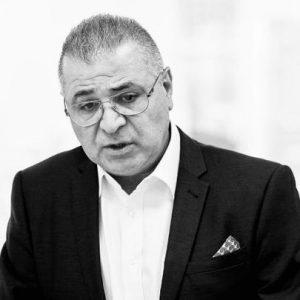
Valentino Coletto
Padua
More than 5,000 companies are incorporated in San Marino, and more than 7,000 workers and employees commute daily from Italy to work in San Marino.
For such a small community, totaling approximately 33.000 residents, these are relatively high figures. They do, however, highlight San Marino’s business-friendly environment.
One of the reasons for this is that San Marino has a reduced level of bureaucracy that makes it easier to invest and do business with less time, less effort, and lower costs.
Another primary reason for that attractiveness is the favorable tax system.

San Marino maintains a streamlined tax system that sets it apart from Italy and most European nations. Its reduced taxation rates offer clear advantages while avoiding tax haven status.
The country abolished bank secrecy and anonymous shareholding, demonstrating its commitment to transparency. The nation now exchanges financial information under OECD Common Reporting Standards.
San Marino’s 2013 general framework law establishes one general income tax for all income categories.
Every type of company pays income tax in San Marino – both legal entities and individual companies run by natural persons. Private persons also fall under the income tax system.
San Marino offers two main company structures: limited liability companies requiring €25,500 minimum capital and joint stock companies requiring €77,000 minimum capital.
Private persons face progressive tax rates, while companies pay proportional rates, regardless of their structure.
Eight tax brackets determine private taxation, starting at 9% for incomes under €10,000 and reaching 35% for incomes over €80,000.
Companies pay a flat 17% tax rate.
Legal entity shareholders receive dividends tax-free, while individual shareholders pay a 5% withholding tax on distributions.
San Marino’s main tax incentives include:
- Companies holding qualifying shares for at least 12 months and reporting them as financial fixed assets since acquisition qualify for capital gains tax exemption.
- Businesses can offset up to 80% of their losses against taxable income for three years.
- The tax code encourages reinvestment by exempting profits allocated to fixed assets and capital goods over five years when used for technological upgrades, real estate improvements, energy efficiency, or environmental protection.v
- Companies increasing their share capital receive a tax exemption of 10% of the added amount.
San Marino’s Special Tax Regimes
NewCo Regime
New companies qualify for a 50% reduction on the standard 17% income tax for five years, reducing it to 8.5%. They also receive a four-year tax license exemption.
Companies must hire their first employee within six months and a second within 24 months.
StartUp Regime
High-tech and innovative startups receive full income tax exemption for three years. They then pay 4% for the next four years and 8% for the following five years.
The tax license exemption extends to seven years. Corporate investors can deduct capital injections at 60% in years one through three, 30% in years four through seven, and 15% in years eight through 12.
In the case of private investors, they can deduct 80%, 60%, and 20%, respectively.
For example, If a private investor invests in a qualifying San Marino startup, they can benefit as follows:
- Years 1-3: They can deduct 80% of their investment from their taxable income
- Years 4-7: They can deduct 60% of their investment from their taxable income
- Years 8-12: They can deduct 20% of their investment from their taxable income
Patent Box Regime
Companies can exempt portions of income from intellectual property that qualify under the specific ‘nexus ratio’ cost requirements.
When companies reinvest 90% of capital gains into other intellectual property within two years, those gains become tax-exempt.
Trust Company Regime
Trust companies pay the standard 17% tax rate. The taxable income equals either 80% of total proceeds or 10% of proceeds when reinvested and held for at least 24 months.
Holding Companies
For incoming dividends: Sammarinese holding companies holding shares for at least 12 months pay tax on only 5% of dividends received from companies in Double Tax Agreement countries after foreign withholding tax.
For outgoing dividends, Sammarinese subsidiaries distribute dividends to foreign holding companies with zero percent withholding tax, regardless of existing DTA provisions with the holding company’s country.
Maritime Companies
New maritime companies receive an 80% reduction on the standard 17% income tax for ten years, lowering it to 3.4%.
They qualify for a four-year tax license exemption by hiring their first employee within six months and a second within 24 months.
Additional tax credits apply to employee training programs and activities involving technological innovation and business development.
Business vessels transporting passengers or cargo operate exempt from consumer tax (VAT equivalent).
Investment Funds
Investment funds pay no income tax on their profits. Fund management companies pay a special 12% flat tax on their earnings.
IMI Pros who can help with residency in San Marino
| . | . | Name | Expert based in | Areas of expertise | Program you'd like help with | Service language(s) | Get Started |
|---|---|---|---|---|---|---|---|
 |
 |
Abdelrahman Hamdy | 🇪🇬 Cairo, Egypt | International Real Estate, Residence and Citizenship by Investment | Antigua & Barbuda CIP Canada Startup Visa Nauru ECRCP Quebec Investor Immigration Program Saint Kitts & Nevis CIP | English, French, Arabic, Chinese | |
 |
Adam Juchniewicz | 🇻🇨 Saint Vincent and the Grenadines | Residence and Citizenship by Investment | UAE Golden Visa Antigua & Barbuda CIP Cyprus Golden Visa Dominica CIP Grenada CIP Greece Golden Visa Saint Kitts & Nevis CIP Cayman Islands Investor Visa Saint Lucia CIP Latvia Investor Visa Malta Global Residence Program Malta MEIN Malta Permanent Residence Program Nauru Citizenship by Investment Panama Business Investor Visa Panama Qualified Investor Visa Philippines FIV Philippines Retirement Visa (SRRV) Philippines Special Investor Portugal Golden Visa El Salvador Freedom Passport Program Turkey CIP Vanuatu DSP/REO/VCP | English, Spanish | ||
 |
Adriano Vieira | 🇵🇹 Lisbon, Portugal | Residence and Citizenship by Investment | Portugal Golden Visa Portugal D7 Visa Portugal HQA Visa, Chile Independent Means Visas, Chile Investor Visa, Spain Golden Visa, Spain Non-Lucrative Visa | English, Spanish, French, Portuguese | ||
|
 |
Afshin Sarhangpour | 🇨🇦 Vancouver, Canada | Residence and Citizenship by Investment | Antigua & Barbuda CIP Australia BIIP Investor Streams Canada Startup Visa Cyprus Golden Visa Dominica CIP Grenada CIP Greece Golden Visa Saint Kitts & Nevis CIP Saint Lucia CIP Latvia Investor Visa Malta MEIN Malta Permanent Residence Program Turkey CIP Vanuatu DSP/REO/VCP | English, Farsi, Turkish | |
 |
Ahsan Khaliq | 🇦🇪 Dubai, UAE | Residence and Citizenship by Investment | UAE Golden Visa Antigua & Barbuda CIP Dominica CIP Spain Golden Visa Grenada CIP Greece Golden Visa Saint Kitts & Nevis CIP Saint Lucia CIP Latvia Investor Visa Malta Permanent Residence Program Nauru ECRCP Portugal D7 Visa Portugal Digital Nomad Visa Portugal Golden Visa United States E2 Visa | English, Urdu | ||
 |
Alaattin Kilic | 🇺🇸 Miami, US | Residence and Citizenship by Investment | UAE Golden Visa, United States E2 Visa | English, Spanish, French, Hindi, Urdu, Turkish | ||
|
 |
Alexander Bello | 🇦🇪 Dubai, UAE | Residence and Citizenship by Investment | Antigua & Barbuda CIP Australia BIIP Investor Streams Bahamas Economic PR Barbados Welcome Stamp Cambodia M2H Canada Startup Visa Cyprus Golden Visa Dominica CIP Greece Golden Visa Grenada CIP Latvia Investor Visa Malta MEIN Malta Permanent Residence Program Monaco Carte de Séjour Panama Business Investor Visa Panama Qualified Investor Visa Panama Rentista Retirado Visa Paraguay Permanent Residency Program Philippines Special Investor Saint Kitts & Nevis CIP Saint Lucia CIP Turkey CIP Uruguay Independent Means Visa Vanuatu DSP/REO/VCP Nauru | English, Italian, German | |
 |
Alexander Osetinskiy | 🇪🇸 Valencia, Spain | Residence and Citizenship by Investment, International Tax and Wealth Planning | UAE Golden Visa Spain Non-Lucrative Visa Spain Golden Visa Portugal Golden Visa Portugal D7 Visa Portugal HQA Visa Turkey CIP Spain Digital Nomad Visa | English, Russian | ||
|
 |
Alexander Risvas | 🇬🇷 Athens, Greece | Residence and Citizenship by Investment | Greece Golden Visa Greece FIP | ||
|
 |
Alexandre Cunha Elias | 🇵🇹 Lisbon, Portugal | Residence and Citizenship by Investment | Portugal Golden Visa | English, Portuguese | |
 |
Alnoor Kamani | 🇨🇦 Calgary, Canada | Residence and Citizenship by Investment | UAE Golden Visa Antigua & Barbuda CIP Anguilla PR Program Canada Startup Visa Dominica CIP Spain Golden Visa Grenada CIP Greece Golden Visa Hungary Guest Investor Program Hungary Active Investor Visa Saint Kitts & Nevis CIP Cayman Islands Investor Visa Saint Lucia CIP Latvia Investor Visa Malta Permanent Residence Program Malta MEIN Portugal Golden Visa Portugal D7 Visa Thailand Elite Residence Program Turkey CIP United States E2 Visa United States EB-5 Vanuatu DSP/REO/VCP | English, Arabic, Hindi | ||
 |
Ana Rita Figueiras | 🇵🇹 Lisbon, Portugal | Residence and Citizenship by Investment | Portugal Golden Visa | English, Portuguese, Spanish | ||
 |
Ana Sofia Lamares | 🇵🇹 Lisbon, Portugal | Residence and Citizenship by Investment, Real Estate | Portugal Digital Nomad Visa Portugal D7 Visa Portugal HQA Visa Portugal Golden Visa | English, Portuguese, Spanish | ||
 |
Anastasia Barna | 🇦🇪 Dubai, UAE | Residence and Citizenship by Investment | UAE Golden Visa Antigua & Barbuda CIP Canada Startup Visa Dominica CIP Egypt CIP Spain Digital Nomad Visa Spain Golden Visa Spain Non-Lucrative Visa France Financially Independent Person Grenada CIP Hungary Active Investor Visa Hungary Guest Investor Program Jordan CIP Saint Kitts & Nevis CIP Saint Lucia CIP Malta Permanent Residence Program Portugal Golden Visa Turkey CIP United States EB-5 Vanuatu DSP/REO/VCP Russia Investor Visa | English, Russian | ||
 |
André Gonçalves | 🇦🇪 Dubai, UAE | Residence and Citizenship by Investment | Antigua & Barbuda CIP Greece Golden Visa Grenada CIP Malta MEIN Policy Malta Permanent Residence Program Portugal Golden Visa Saint Kitts & Nevis CIP Saint Lucia CIP Turkey CIP Vanuatu DSP/REO/VCP | English, Portuguese | ||
 |
Andy Maher | 🇬🇧 London, UK | Due Diligence | English | |||
 |
Antoine Saliba-Haig | 🇲🇹 Malta | Residence and Citizenship by Investment, International Tax and Wealth Planning | Antigua & Barbuda CIP Cyprus Golden Visa Dominica CIP Greece Golden Visa Grenada CIP Latvia Investor Visa Malta MEIN Malta Permanent Residence Program Portugal Golden Visa Saint Kitts & Nevis CIP Saint Lucia CIP Spain Golden Visa Turkey CIP UAE Golden Visa United States EB-5 Vanuatu DSP/REO/VCP Malta Digital Nomad Visa Malta Startup Visa Malta Retirement Visa | English, Maltese, Italian | ||
|
 |
Aran Hawker | 🇹🇷 Istanbul, Turkey | Residence and Citizenship by Investment | Turkey CIP | English, Turkish | |
 |
Asif Ali | 🇦🇪 Dubai, UAE | Residence and Citizenship by Investment | Antigua & Barbuda CIP Canada Startup Visa Cyprus Golden Visa Dominica CIP Grenada CIP Greece Golden Visa Saint Kitts & Nevis CIP Saint Lucia CIP Portugal Golden Visa Turkey CIP Vanuatu DSP/REO/VCP | English, Punjabi | ||
 |
Aydin Aksoy | 🇹🇷 Istanbul, Turkey | Residence and Citizenship by Investment | UAE Golden Visa Antigua & Barbuda CIP Cyprus Golden Visa Dominica CIP Spain Golden Visa France Financially Independent Person UK Innovator Founder Visa Grenada CIP Greece Golden Visa Hungary Guest Investor Program Saint Kitts & Nevis CIP Saint Lucia CIP Monaco Carte de Séjour Malta MEIN Malta Permanent Residence Program Portugal Golden Visa Turkey CIP United States E2 Visa Vanuatu DSP/REO/VCP | English, Turkish, Farsi, Azerbaijani | ||
 |
Ceri Pratley | 🇹🇭 Bangkok, Thailand | Residence and Citizenship by Investment, International Tax and Wealth Planning | UAE Golden Visa Antigua & Barbuda CIP Canada Startup Visa Cyprus Golden Visa Dominica CIP Spain Golden Visa Spain Non-Lucrative Visa UK Innovator Founder Visa Grenada CIP Guernsey Investor & Entrepreneur Residency Greece Golden Visa Greece FIP Visa Saint Kitts & Nevis CIP Cayman Islands Investor Visa Saint Lucia CIP Malta Permanent Residence Program Mauritius Permanent Residency Program Mauritius Active Investor Visas Mauritius Retirement Visa Netherlands Investor Visa Portugal Golden Visa Portugal HQA Visa Portugal D7 Visa Singapore Entrepass United States E2 Visa Malta MEIN, Malta Global Residence Program, Malta Startup Visa, Malta Retirement Visa | Englis, Spanish, Afrikaans, Chinese, Arabic | ||
 |
Charlie Maggi | 🇦🇪 Dubai, UAE | Residence and Citizenship by Investment | UAE Golden Visa Antigua & Barbuda CIP Canada Startup Visa Cyprus Golden Visa Dominica CIP France Talent Passport Business Investor France Talent Passport Startup and Business ation UK Innovator Founder Visa Grenada CIP Greece Golden Visa Hungary Guest Investor Program Italy Investor Visa Saint Kitts & Nevis CIP Saint Lucia CIP Latvia Investor Visa Nauru CIP Portugal Golden Visa Paraguay Independent Means Visa Turkey CIP United States EB-5 Uruguay Investor Visa Vanuatu CIP | English, French, Chinese | ||
|
 |
Christopher Lennon | 🇨🇦 Vancouver, Canada | Residence and Citizenship by Investment | Canada Startup Visa France Talent Passport Business Investor Portugal HQA Visa | English | |
|
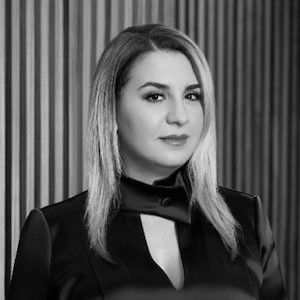 |
Christina Georgaki | 🇬🇷 Thessaloniki, Greece | Residence and Citizenship by Investment | Greece Golden Visa; Greece FIP | English, Greek | |
 |
Christina Tabacco | 🇺🇸 United States | Residence and Citizenship by Investment | United States EB-5 | English | ||
 |
Csaba Magyar | 🇭🇺 Budapest, Hungary | Residence and Citizenship by Investment, International Tax and Wealth Planning | Hungary Active Investor Visa Hungary Golden Visa Hungary Guest Investor Program Hungary Digital Nomad Visa | English, Hungarian, German | ||
|
 |
Dahlia Joseph-Rowe | 🇰🇳 Saint Kitts and Nevis | Residence and Citizenship by Investment | Saint Kitts & Nevis CIP | English | |
|
 |
Daisy Joseph-Andall | 🇰🇳 Saint Kitts and Nevis | Residence and Citizenship by Investment | Saint Kitts & Nevis CIP | English | |
|
 |
Dario Montagnese | 🇮🇹 Turin, Italy | Residence and Citizenship by Investment | Italy Investor Visa Italy Elective Residence | English, Italian, Portuguese | |
 |
David Comtois | 🇨🇦 Toronto, Canada | Residence and Citizenship by Investment | Canada Startup Visa United States EB-5 United States E2 Visa Quebec Investment Immigration Program | English, French | ||
 |
David Lawrence Lincoln | 🇵🇾 Asunción, Paraguay | Residence and Citizenship by Investment | UAE Golden Visa Antigua & Barbuda CIP Argentina Rentista and Pensionado Residency Brazil Investor Visa (VIPER) Dominica CIP Grenada CIP Greece FIP Visa Greece Golden Visa Saint Kitts & Nevis CIP Saint Lucia CIP Latvia Investor Visa Malta Permanent Residence Program Malta MEIN Mexico Legal Residency Visa Portugal D7 Visa Portugal HQA Visa Portugal Golden Visa Paraguay Independent Means Visa Paraguay Investor Permanent Residency Program (SUACE) Turkey CIP Nicaragua Canada SUV Hungary Guest Investor Portugal Digital Nomad Visa Greece Digital Nomad Visa Malta Digital Nomad Visa Latvia Digital Nomad Visa Spain Digital Nomad Visa | English, Portuguese | ||
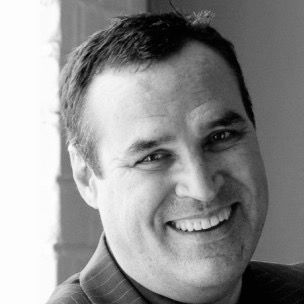 |
David Lesperance | 🇵🇱 Gdynia, Poland | Citizenship by Descent, Residence and Citizenship by Investment, US Expatriation, International Tax and Wealth Planning, Family Office Advisory | Antigua & Barbuda CIP, Dominica CIP, Grenada CIP, Saint Kitts & Nevis CIP Saint Lucia CIP Turkey CIP Malta MEIN Policy Australia BIIP Investor Streams Bahamas Economic Permanent Residence Cayman Islands Investor Visa Cyprus Golden Visa Greece Golden Visa Latvia Investor Visa Malta Permanent Residence Program Panama Qualified Investor Visa Portugal Golden Visa Spain Golden Visa Austria Independent Means Visa Gibraltar Category 2 HNWI Residence Greece FIP Visa Ireland Independent Means Jersey High Value Residency Portugal D7 Visa Canada Startup Visa Panama Business Investor Visa UK Innovator Founder Visa Hungary Citizenship by Descent Ireland Citizenship by Descent Italy Citizenship by Descent Latvia Citizenship by Descent Poland Citizenship by Descent Bermuda Economic Investment Certificate (EIC) Program | English | ||
|
 |
David Poston | 🇦🇪 Dubai, UAE | Residence and Citizenship by Investment | Greece Golden Visa Portugal Golden Visa Portugal D7 | English | |
|
 |
David Regueiro | 🇦🇪 Dubai, UAE | Residence and Citizenship by Investment | Antigua & Barbuda CIP Canada Startup Visa Dominica CIP Spain Golden Visa Grenada CIP Saint Lucia CIP Malta Permanent Residence Program Portugal Golden Visa Turkey CIP UAE Golden Visa Vanuatu DSP/REO/VCP Saudi Arabia | English, Spanish, French, Portuguese | |
 |
Deepesh Agarwal | 🇸🇬 Singapore | Residence and Citizenship by Investment | Antigua & Barbuda CIP Canada Startup Visa Dominica CIP Grenada CIP Greece Golden Visa Italy Investor Visa Saint Kitts & Nevis CIP Saint Lucia CIP Malta Permanent Residence Program Portugal Golden Visa Singapore Global Investor Program Turkey CIP UAE Golden Visa United States EB-5 Vanuatu DSP/REO/VCP | English | ||
 |
Demetris Demetriades | 🇨🇾 Paphos, Cyprus | Residence and Citizenship by Investment | Cyprus Golden Visa Greece Golden Visa Greece FIP Visa Cyprus Digital Nomad Visa | English, Greek | ||
 |
Duaa Jamal | 🇦🇪 Dubai, UAE | Residence and Citizenship by Investment | Antigua & Barbuda CIP Dominica CIP Grenada CIP Saint Kitts & Nevis CIP Saint Lucia CIP Malta MEIN Turkey CIP | English, Arabic | ||
|
 |
Duarte Caldas | 🇵🇹 Lisbon, Portugal | Residence and Citizenship by Investment | Portugal Golden Visa | English, Portuguese | |
 |
Dwayne Chauhan | 🇮🇪 Dublin, Ireland | Residence and Citizenship by Investment, International Tax and Wealth Planning | Antigua & Barbuda CIP Dominica CIP Greece Golden Visa Grenada CIP Malta MEIN Policy Malta Permanent Residence Program Portugal Golden Visa Saint Kitts & Nevis CIP Saint Lucia CIP Turkey CIP UAE Golden Visa Vanuatu DSP/REO/VCP | English | ||
 |
Elena Ruda | 🇦🇹 Vienna, Austria | Residence and Citizenship by Investment | Andorra Residence Without Lucrative Activity Antigua & Barbuda CIP Austria Independent Means Visa Canada Startup Visa Cyprus Golden Visa Dominica CIP Greece Golden Visa Grenada CIP Malta MEIN Policy Malta Permanent Residence Program Portugal Golden Visa Saint Kitts & Nevis CIP Saint Lucia CIP Spain Golden Visa Turkey CIP UAE Golden Visa United States EB-5 Vanuatu DSP/REO/VCP Hungary Active Investor Visa Portugal Digital Nomad Visa Malta Digital Nomad Visa Spain Digital Nomad Visa Italy Digital Nomad Visa Hungary Digital Nomad Visa Indonesia Digital Nomad Visa Mauritius Digital Nomad Visa | English, Russian, German | ||
 |
Eren Cicekdagi | 🇺🇸 San Francisco, US | Residence and Citizenship by Investment | United States EB-5 | English, German, Turkish | ||
|
 |
Eric G. Major | 🇬🇧 London, UK | Citizenship by Descent, Residence and Citizenship by Investment | Antigua & Barbuda CIP Dominica CIP Grenada CIP Saint Lucia CIP Turkey CIP Malta MEIN Policy Anguilla Permanent Residency Program Australia BIIP Investor Streams Cayman Islands Investor Visa Colombia Investor Visas M and R Greece Golden Visa Malta Permanent Residence Program Portugal Golden Visa Spain Golden Visa Germany Self-Employment Visa Guernsey Investor & Entrepreneur Residency United States EB-5 | English, French | |
|
 |
Evangelia Tsatsomaridi | 🇬🇷 Athens, Greece | Residence and Citizenship by Investment | Greece Golden Visa Greece FIP Greece Digital Nomad Visa | English, Spanish, French, Greek | |
|
 |
Evelyn Xinxin Xu | 🇭🇰 Hong Kong | Residence and Citizenship by Investment | UAE Golden Visa Antigua & Barbuda CIP Canada Startup Visa Dominica CIP Grenada CIP Greece Golden Visa Hungary Guest Investor Program Saint Kitts & Nevis CIP Saint Lucia CIP Malta Permanent Residence Program Portugal Golden Visa Turkey CIP United States EB-5 Vanuatu DSP/REO/VCP | English, Chinese | |
 |
Francisco Litvay | 🇵🇾 Asunción, Paraguay | Residence and Citizenship by Investment | UAE Golden Visa Antigua & Barbuda CIP Argentina Active Inrestor Visa (Inversionista) Argentina Rentista and Pensionado Residency Cile Investor Visa Colombia Digital Nomad Visa Colombia Independent Means Visa Colombia Investor Visa Dominica CIP Grenada CIP Ireland Citizenship by Descent Italy Citizenship by Descent Mexico Legal Residency Visa Panama Friendly Nations Visa Poland Citizenship by Descent Portugal Citizenship by Descent Portugal D7 Visa Portugal Digital Nomad Visa Paraguay Independent Means Visa Paraguay Investor Permanent Residency Program (SUACE) Saint Kitts & Nevis CIP Saint Lucia CIP Spain Digital Nomad Visa Spain Non-Lucrative Visa Turkey CIP United States E2 Visa Uruguay Independent Means Visa Vanuatu DSP/REO/VCP | English, Spanish, Portuguese, German | ||
 |
Federico Salmoiraghi | 🇮🇹 Milan, Italy | Residence and Citizenship by Investment | Italy Digital Nomad Visa Italy Elective Residency Visa Italy Investor Visa Italy Representative Office Visa | English, Italian | ||
|
 |
Gary Harland | 🇵🇹 Lisbon, Portugal | Residence and Citizenship by Investment | Greece Golden Visa Portugal Golden Visa Portugal D7 | English | |
|
 |
George Eid | 🇦🇪 Dubai, UAE | Residence and Citizenship by Investment | UAE Golden Visa Antigua & Barbuda CIP Canada Startup Visa Dominica CIP Grenada CIP Greece Golden Visa Hungary Guest Investor Program Saint Kitts & Nevis CIP Saint Lucia CIP Malta Permanent Residence Program Portugal Golden Visa Turkey CIP United States EB-5 Vanuatu DSP/REO/VCP | English, Arabic | |
 |
George Ganey | 🇺🇸 Washington DC, US | Residence and Citizenship by Investment | United States EB-5 United States E2 Visa | English, Spanish, Catalan | ||
 |
Giannos Aristodemou | 🇨🇾 Paphos, Cyprus | Residence and Citizenship by Investment, Real Estate | Cyprus Golden Visa | English, Greek | ||
|
 |
Gökçe Emer | 🇹🇷 Istanbul, Turkey | Residence and Citizenship by Investment | Antigua & Barbuda CIP Australia BIIP Investor Streams Canada Startup Visa Dominica CIP Greece Golden Visa Saint Kitts & Nevis CIP Malta Permanent Residence Program Malta MEIN Portugal Golden Visa Turkey CIP United States EB-5 Vanuatu DSP/REO/VCP Portugal Digital Nomad Visa | English, Turkish | |
 |
Güvenç Ketenci | 🇹🇷 Istanbul, Turkey | Residence and Citizenship by Investment | Antigua & Barbuda CIP, Dominica CIP, Grenada CIP, Saint Kitts & Nevis CIP Saint Lucia CIP Turkey CIP Malta MEIN Policy Australia BIIP Investor Streams Cyprus Golden Visa Greece Golden Visa Malta Permanent Residence Program Portugal Golden Visa UK Innovator Founder VisaUnited States EB-5 United States E2 UAE Golden Visa Austria Independent Means Visa Monaco Carte de Séjour Vanuatu DSP/REO/VCP | English, Turkish | ||
|
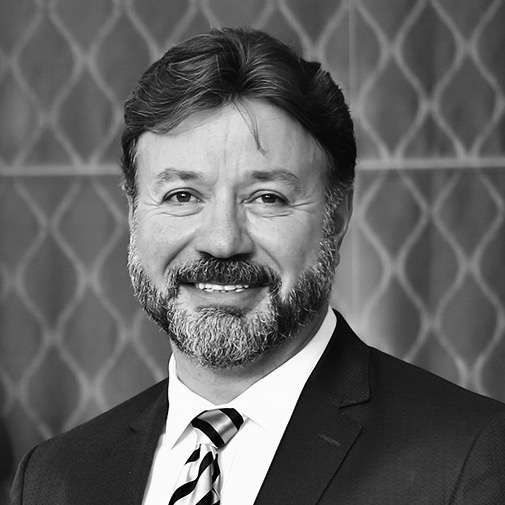 |
Hakan Cortelek | 🇹🇷 Istanbul, Turkey | Citizenship by Descent, Residence and Citizenship by Investment | Antigua & Barbuda CIP Dominica CIP Grenada CIP Saint Kitts & Nevis CIP Saint Lucia CIP Turkey CIP Malta MEIN Policy Australia BIIP Investor Streams Cayman Islands Investor Visa Greece Golden Visa Malta Permanent Residence Program Portugal Golden Visa Spain Golden Visa United States EB-5 | English, Turkish | |
 |
Hammad Farooqi | 🇦🇪 Dubai, UAE | Residence and Citizenship by Investment, International Tax and Wealth Planning | Antigua & Barbuda CIP Canada Startup Visa Cyprus Golden Visa Dominica CIP UK Innovator Founder Visa Grenada CIP Greece Golden Visa Saint Kitts & Nevis CIP Saint Lucia CIP Malta Permanent Residence Program Mauritius Permanent Residency Program Portugal D7 Visa Portugal Golden Visa Turkey CIP Vanuatu DSP/REO/VCP | English, Arabic, Chinese | ||
 |
Hani Alsadi | 🇸🇦 Riyadh, Saudi Arabia | Residence and Citizenship by Investment | UAE Golden Visa Antigua & Barbuda CIP Dominica CIP Grenada CIP Greece Golden Visa Hungary Guest Investor Program Saint Kitts & Nevis CIP Saint Lucia CIP Turkey CIP | English, French, Arabic, Turkish | ||
|
 |
Hannah Ma | 🇸🇬 Singapore | Residence and Citizenship by Investment | Antigua & Barbuda CIP Australia BIIP Investor Streams Canada Startup Visa Cyprus Golden Visa Dominica CIP Greece Golden Visa Grenada CIP Malaysia M2H Visa Malta MEIN Policy Malta Permanent Residence Program Portugal D7 Visa Portugal Golden Visa Saint Kitts & Nevis CIP Saint Lucia CIP Singapore Entrepass South Korea Investor Visa Spain Golden Visa Spain Non-Lucrative Visa Thailand Elite Residence Program Turkey CIP UAE Golden Visa UK Startup/Innovator Visa United States E2 Visa United States EB-5 Vanuatu DSP/REO/VCP Japan Active Investor Visa Hong Kong CIES Taiwan Plum Blossom Vietnam Investor Visa Singapore GIP New Zealand Taiwan Digital Nomad Visa | English, Chinese | |
 |
Hany Mostafa Moawad | 🇪🇬 Cairo, Egypt | Residence and Citizenship by Investment, International Real Estate | Antigua & Barbuda CIP Canada Startup Visa Cyprus Golden Visa Dominica CIP Egypt CIP Egypt Residence by Investment Program Greece Golden Visa Grenada CIP Malta MEIN Policy Malta Permanent Residence Program Portugal Golden Visa Saint Kitts & Nevis CIP Saint Lucia CIP Turkey CIP UAE Golden Visa Vanuatu DSP/REO/VCP | English, Arabic | ||
 |
Huma Baig | 🇦🇪 Dubai, UAE | Residence and Citizenship by Investment | Antigua & Barbuda CIP Canada Startup Visa Cyprus Golden Visa Dominica CIP UK Innovator Founder Visa Grenada CIP Greece FIP Visa Greece Golden Visa Saint Kitts & Nevis CIP Saint Lucia CIP Malta Permanent Residence Program Mauritius Active Investor Visas Mauritius Permanent Residency Program Mauritius Retirement Visa Portugal D7 Visa Portugal Golden Visa Turkey CIP Uruguay Independent Means Visa Uruguay Investor Visa Vanuatu DSP/REO/VCP | English, Hindi, Punjabi | ||
 |
Ilana van Hussteen-Meyer | 🇵🇹 Lisbon, Portugal | Residence and Citizenship by Investment | Portugal Golden Visa, Portugal HQA Visa, Italy Investor Visa, Italy Elective Residency Visa, Greece Golden Visa, Canada Startup Visa, UAE Golden Visa, United States EB-5 | English, Portuguese | ||
 |
Ilja Belobragin | 🇷🇺 Moscow, Russia | Residence and Citizenship by Investment | Russia Investor Visa | English, Russian, Swedish | ||
|
 |
Imad Elbitar | 🇹🇷 Istanbul, Turkey | Residence and Citizenship by Investment | Andorra Residence Without Lucrative Activity Antigua & Barbuda CIP Austria Independent Means Visa Canada Startup Visa Cyprus Golden Visa Dominica CIP Greece Golden Visa Grenada CIP Malta Permanent Residence Program Nicaragua Investor PR Program Nicaragua Pensionado and Rentista Visas Panama Business Investor Visa Panama Qualified Investor Visa Panama Rentista Retirado Visa Paraguay Investor PR Program SUACE Paraguay Independent Means Visa Portugal Golden Visa Saint Kitts & Nevis CIP Saint Lucia CIP Turkey CIP UAE Golden Visa United States EB-5 Uruguay Independent Means Visa Uruguay Investor Visa Vanuatu DSP/REO/VCP, Colombia Independent Means Visas | English, Arabic, German | |
|
 |
Imran Mirani | 🇦🇪 Dubai, UAE | Residence and Citizenship by Investment | Antigua & Barbuda CIP Canada Startup Visa Cyprus Golden Visa Dominica CIP Grenada CIP Greece Golden Visa Hungary Guest Investor Program Saint Kitts & Nevis CIP Saint Lucia CIP Malta Global Residence Program Malta MEIN Malta Permanent Residence Program Portugal Golden Visa Turkey CIP UAE Golden Visa United States EB-5 Vanuatu DSP/REO/VCP | English, Urdu, Hindi | |
 |
Isma Javid | 🇬🇷 Athens, Greece | Residence and Citizenship by Investment | Greece Golden Visa | English | ||
 |
Ivan Petrov | 🇧🇬 Sofia, Bulgaria | Residence and Citizenship by Investment | 🇧🇬 Bulgaria Citizenship by Descent 🇧🇬 Bulgaria Residence by Investment | English, Bulgarian, Chinese | ||
 |
James Hall | 🇸🇬 Singapore | Residence and Citizenship by Investment | Australia BIIP Investor Streams New Zealand Active Investor Visa | English | ||
|
 |
Jasmin Lopez | 🇲🇽 Mexico City | Residence and Citizenship by Investment | Andorra Residence Without Lucrative Activity Antigua & Barbuda CIP Austria Independent Means Visa Canada Startup Visa Cyprus Golden Visa Dominica CIP Greece Golden Visa Grenada CIP Malta Permanent Residence Program Nicaragua Investor PR Program Nicaragua Pensionado and Rentista Visas Panama Business Investor Visa Panama Qualified Investor Visa Panama Rentista Retirado Visa Paraguay Investor PR Program SUACE Paraguay Independent Means Visa Portugal Golden Visa Saint Kitts & Nevis CIP Saint Lucia CIP Spain Golden Visa Turkey CIP UAE Golden Visa United States EB-5 Uruguay Independent Means Visa Uruguay Investor Visa Vanuatu DSP/REO/VCP, Colombia Independent Means Visas Belize Qualified Retirement | English, Spanish | |
|
 |
Jason Zha | 🇨🇳 Shanghai, China | International Real Estate, Residence and Citizenship by Investment | Antigua & Barbuda CIP Canada Startup Visa Nauru ECRCP Quebec Investor Immigration Program Saint Kitts & Nevis CIP | English, French, Arabic, Chinese | |
 |
Jean-Philippe Chetcuti | 🇲🇹 Malta | Citizenship by Descent, Residence and Citizenship by Investment, International Tax and Wealth Planning | Antigua & Barbuda CIP Cyprus Golden Visa Dominica CIP Greece Golden Visa Grenada CIP Latvia Investor Visa Malta MEIN Malta Permanent Residence Program Portugal Golden Visa Saint Kitts & Nevis CIP Saint Lucia CIP Spain Golden Visa Turkey CIP UAE Golden Visa United States EB-5 Vanuatu DSP/REO/VCP Malta Startup Visa Malta Retirement Visa | English, Maltese | ||
 |
Joana Ferreira Reis | 🇵🇹 Lisbon, Portugal | Residence and Citizenship by Investment | Portugal Golden Visa Portugal D7 Visa Portugal HQA Visa Portugal Digital Nomad Visa | English, Portuguese, Spanish | ||
|
 |
Keith Poston | 🇵🇹 Faro, Portugal | Residence and Citizenship by Investment | Greece Golden Visa Portugal Golden Visa Portugal D7 | English | |
 |
Kemal Nicholson | 🇺🇸 United States | Residence and Citizenship by Investment | Antigua & Barbuda CIP Dominica CIP Grenada CIP Malta Permanent Residence Program Portugal Golden Visa Saint Kitts & Nevis CIP Saint Lucia CIP Turkey CIP UAE Golden Visa | English, Russian | ||
 |
Kenneth Camilleri | 🇲🇹 Malta | Residence and Citizenship by Investment, International Tax and Wealth Planning | Greece Golden Visa Hungary Active Investor Program Malta Digital Nomad Visa Malta Global Residence Program Malta Permanent Residence Program Malta Startup Visa Portugal Golden Visa Saint Kitts & Nevis CIP Turkey CIP United States EB-5 | English | ||
|
 |
Kevin Hosam | 🇦🇬 Antigua & Barbuda | Residence and Citizenship by Investment | Antigua & Barbuda CIP Dominica CIP Grenada CIP Saint Kitts & Nevis CIP Saint Lucia CIP Turkey CIP Malta MEIN Policy Anguilla Permanent Residency Program Australia BIIP Investor Streams Bahamas Economic Permanent Residence Bermuda Economic Investment Certificate (EIC) Program Cayman Islands Investor Visa Colombia Investor Visas M and R Greece Golden Visa Latvia Investor Visa Malta Permanent Residence Program Portugal Golden Visa Spain Golden Visa Barbados Welcome Stamp Paraguay Investor PR Program SUACE Paraguay Independent Means Visa Uruguay Independent Means Visa Uruguay Investor Visa Andorra Residence Without Lucrative Activity Cambodia My 2nd Home Canada Startup Visa Cyprus Golden Visa Visa Monaco Carte de Séjour Panama Business Investor Visa Panama Qualified Investor Visa Panama Rentista Retirado Visa Vanuatu DSP/REO/VCP Antigua & Barbuda Digital Nomad Visa Nauru | English | |
 |
Khatia Gelbakhiani | 🇬🇪 Tbilisi, Georgia | Residence and Citizenship by Investment | Andorra Non-Lucrative Residency UAE Digital Nomad Visa UAE Golden Visa Antigua & Barbuda CIP Antigua & Barbuda Digital Nomad Visa Albania Digital Nomad Visa Armenia Digital Nomad Visa Armenia Permanent Residence Program Argentina Active Investor Visa (Inversionista) Argentina Rentista and Pensionado Residency Austria Independent Means Visa Barbados SERP Program Barbados Welcome Stamp Bulgaria Residence by Investment Program Bahrain Golden Residence Bermuda Digital Nomad Visa Bermuda Economic Investment Certificate Program Brazil Digital Nomad Visa Brazil Investor Visa (VIPER) Brazil Retirement Visa Canada Startup Visa Quebec Investor Immigration Program Colombia Digital Nomad Visa Colombia Independent Means Visas Colombia Investor Visa Costa Rica Digital Nomad Visa Costa Rica Independent Means Visas Costa Rica Investor Visa Curaçao Digital Nomad Visa Curaçao Investor Permit Program Cyprus Digital Nomad Visa Cyprus Golden Visa Dominica CIP Dominican Republic Independent Means Visas Dominican Republic Investor Visa Ecuador Digital Nomad Visa Ecuador Independent Means Visas Ecuador Investor Visa Estonia Digital Nomad Visa Egypt CIP Spain Digital Nomad Visa Spain Non-Lucrative Visa Fiji Assured Income Permit Fiji Investor Visa France Financially Independent Person France Talent Passport Business Investor UK Innovator Founder Visa Guernsey Investor & Entrepreneur Residency Gibraltar Category 2 HNWI Residence Program Greece Digital Nomad Visa Greece FIP Visa Greece Golden Visa Honduras Independent Means Visas Honduras Investor Visa Croatia Digital Nomad Visa Hungary Digital Nomad Visa Hungary Guest Investor Program Indonesia Digital Nomad Visa Indonesia Investor Visa Indonesia Retirement Visa (KITAS) Ireland Independent Means Visa Iceland Digital Nomad Visa Italy Digital Nomad Visa Italy Investor Visa Italy Representative Office Visa Jersey High Value Residency Jordan CIP Kenya Class G Investor Visa Cambodia CIP Cambodia M2H Saint Kitts & Nevis CIP South Korea Investor Visa Saint Lucia CIP Luxembourg Investor Visa Monaco Carte de Séjour Mauritius Active Investor Visas Mauritius Digital Nomad Visa Mauritius Permanent Residency Program Mauritius Retirement Visa Mexico Legal Residency Visa Malaysia Digital Nomad Visa Malaysia M2H Visa Malaysia PViP Sabah MM2H Sarawak MM2H Nicaragua Investor PR Nicaragua Pensionado and Rentista Visas Nauru ECRCP New Zealand Entrepreneur Visa New Zealand Investor Visa Panama Business Investor Visa Panama Digital Nomad Visa Panama Friendly Nations Visa Panama Qualified Investor Visa Panama Rentista Retirado Visa Peru Independent Means Visa (Rentista) Philippines FIV Philippines Retirement Visa (SRRV) Pakistan CIP for Commonwealth Citizens Portugal D7 Visa Portugal Digital Nomad Visa Portugal Golden Visa Portugal HQA Visa Paraguay Independent Means Visa Paraguay Investor Permanent Residency Program (SUACE) Qatar Golden Visa Russia Investor Visa Saudi Arabia Premium Residency Investor Singapore Entrepass Singapore Global Investor Program Sierra Leone CIP Sierra Leone PR (Go-for-Gold) San Marino Residency for Economic Reasons Turks & Caicos Investor Visa Thailand Elite Residence Program Thailand LTR Visas Turkey CIP Turkey Digital Nomad Visa Taiwan Golden Visa (Plum Blossom Card) Taiwan Entrepreneur Visa United States E2 United States EB-5 Uruguay Digital Nomad Visa Uruguay Independent Means Visa Uruguay Investor Visa Uzbekistan Investor Visa Venezuela Investor Visa Venezuela Rentista Visa Vietnam Investor Visa Vanuatu DSP/REO/VCP | English, Georgian | ||
 |
Konstantina Dotsikas | 🇬🇷 Athens, Greece | Residence and Citizenship by Investment | Greece Golden Visa Greece Digital Nomad Visa | English, Greek | ||
|
 |
Krista Victorio | 🇪🇸 Barcelona, Spain | Residence and Citizenship by Investment | UAE Golden Visa Antigua & Barbuda CIP Canada Startup Visa Dominica CIP Spain Digital Nomad Visa Spain Non-Lucrative Visa Grenada CIP Greece Golden Visa Italy Investor Visa Saint Kitts & Nevis CIP Saint Lucia CIP Malta MEIN Malta Permanent Residence Program Portugal Golden Visa Turkey CIP United States EB-5 Vanuatu DSP/REO/VCP | English, Spanish | |
|
 |
Kyle De Klerk | 🇲🇺 Port Louis, Mauritius | Residence and Citizenship by Investment, International Tax and Wealth Planning | UAE Golden Visa Antigua & Barbuda CIP Dominica CIP Spain Golden Visa Grenada CIP Greece Golden Visa Saint Kitts & Nevis CIP Saint Lucia CIP Malta Permanent Residence Program Malta MEIN Portugal Golden Visa United States EB-5 Vanuatu DSP/REO/VCP Mauritius | English, Afrikaans | |
|
 |
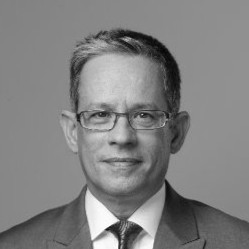
Kyle Kirkegaard | 🇨🇦 Vancouver, Canada | Residence and Citizenship by Investment | Canada Startup Visa France Talent Passport Business Investor Portugal HQA Visa | ||
 |
Laszlo Kiss | 🇲🇹 Malta | Residence and Citizenship by Investment | Antigua & Barbuda CIP, Dominica CIP, Grenada CIP, Saint Kitts & Nevis CIP Saint Lucia CIP Turkey CIP Malta MEIN Policy Australia BIIP Investor Streams Cyprus Golden Visa Greece Golden Visa Malta Permanent Residence Program Portugal Golden Visa UK Innovator Founder Visa United States EB-5 United States E2 UAE Golden Visa Austria Independent Means Visa Monaco Carte de Séjour Vanuatu DSP/REO/VCP Hungary Active Investor Visa | English, Hungarian | ||
|
 |
Leila Bagheri | 🇦🇪 Dubai, UAE | Residence and Citizenship by Investment | UAE Golden Visa Antigua & Barbuda CIP Canada Startup Visa Dominica CIP Spain Digital Nomad Visa Spain Non-Lucrative Visa Grenada CIP Greece Golden Visa Italy Investor Visa Saint Kitts & Nevis CIP Saint Lucia CIP Malta MEIN Malta Permanent Residence Program Portugal Golden Visa Turkey CIP United States EB-5 Vanuatu DSP/REO/VCP | English, Farsi | |
 |
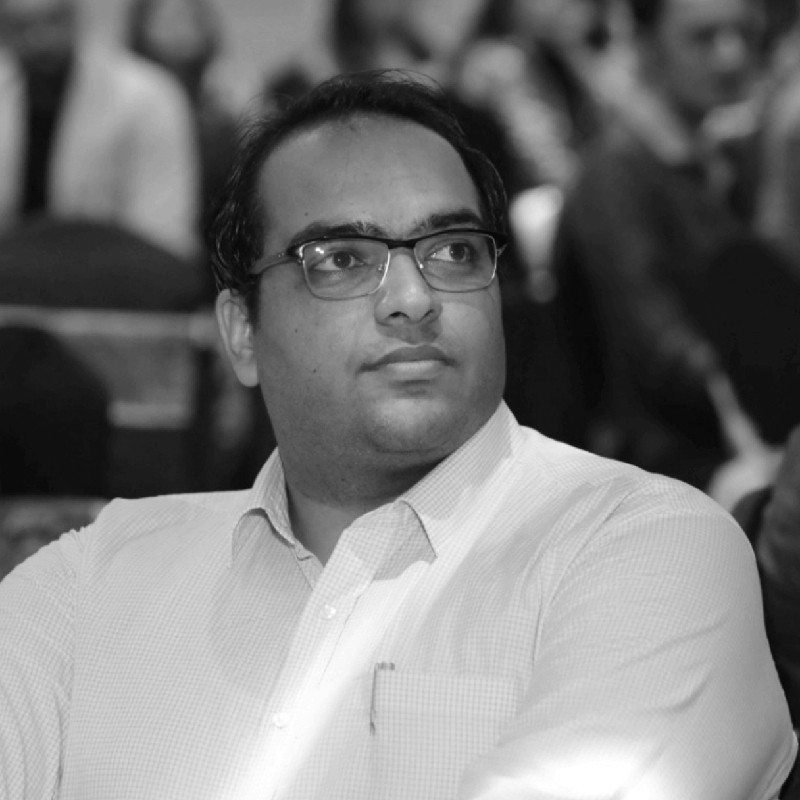
Madalena Monteiro | 🇵🇹 Lisbon, Portugal | Residence and Citizenship by Investment | 🇮🇹 Italy Citizenship by Descent 🇮🇹 Italy Digital Nomad Visa 🇮🇹 Italy Elective Residency Visa 🇮🇹 Italy Investor Visa 🇵🇹 Portugal Citizenship by Descent 🇵🇹 Portugal D7 Visa 🇵🇹 Portugal Digital Nomad Visa 🇵🇹 Portugal Golden Visa | English, Portuguese, Italian | ||
 |
Manpreet Kataria | 🇦🇪 Dubai, UAE | Residence and Citizenship by Investment | Antigua & Barbuda CIP Australia BIIP Investor Streams Canada Startup Visa Dominica CIP Grenada CIP Saint Kitts & Nevis CIP Saint Lucia CIP Malaysia M2H Visa Portugal Golden Visa Turkey CIP Vanuatu DSP/REO/VCP | English, Hindi, Punjabi | ||
|
 |
Manuela Luz | 🇵🇹 Lisbon, Portugal | Residence and Citizenship by Investment | Portugal Golden Visa | English, Portuguese | |
 |
Marco Mesina | 🇮🇹 Milan, Italy | Residence and Citizenship by Investment, International Tax and Wealth Planning | Italy Citizenship by Descent Italy Digital Nomad Visa Italy Elective Residency Visa Italy Investor Visa Italy Representative Office Visa | English, Italian | ||
|
 |
Marianna Erotokritou | 🇬🇷 Athens, Greece | International Real Estate, Residence and Citizenship by Investment | Greece Golden Visa | English, Chinese, Greek | |
 |
Mark D. Maragh | 🇱🇨 Saint Lucia | Residence and Citizenship by Investment | Saint Lucia CIP | English | ||
 |
Melissa Godmer | 🇨🇦 Toronto, Canada | Residence and Citizenship by Investment | Canada Startup Visa Quebec Investment Immigration Program | English, French | ||
 |
Melissa Kelley-Hilton | 🇺🇸 New York, US | Citizenship by Investment Due Diligence | English | |||
 |
Micha-Rose Emmett | 🇬🇧 London, UK | Residence and Citizenship by Investment | Antigua & Barbuda CIP Canada Startup Visa Cyprus Golden Visa Dominica CIP Egypt CIP Grenada CIP Greece Golden Visa Italy Investor Visa Saint Kitts & Nevis CIP Saint Lucia CIP Monaco Carte de Séjour Malta Permanent Residence Program Portugal Golden Visa Singapore Global Investor Program Turkey CIP UAE Golden Visa United States EB-5 | English | ||
 |
Mikkel Thorup | 🇵🇦 Panama City, Panama | Residence and Citizenship by Investment, International Tax and Wealth Planning | Antigua & Barbuda CIP Brazil Investor Visa (VIPER) Colombia Independent Means Visas Colombia Investor Visa Costa Rica Independent Means Visas Costa Rica Investor Visa Cyprus Golden Visa Dominica CIP Grenada CIP Saint Kitts & Nevis CIP Saint Lucia CIP Malta MEIN Malta Permanent Residence Program Mexico Legal Residency Visa Nicaragua Pensionado and Rentista Visas Panama Business Investor Visa Panama Qualified Investor Visa Panama Rentista Retirado Visa Paraguay Independent Means Visa Paraguay Investor Permanent Residency Program (SUACE) Uruguay Independent Means Visa Uruguay Investor Visa Vanuatu DSP/REO/VCP | English | ||
 |
Mischa Mannix-Opie | 🇳🇿 Wellington, New Zealand | Residence and Citizenship by Investment | New Zealand Active Investor Visa | English | ||
 |
Mo Shaban | 🇭🇺 Budapest, Hungary | Residence and Citizenship by Investment | Hungary Active Investor Visa Hungary Citienship by Descent Hungary Digital Nomad Visa | English, Farsi | ||
 |
Moataz Elzayat | 🇪🇬 Cairo, Egypt | Residence and Citizenship by Investment | UAE Golden Visa Antigua & Barbuda CIP Canada Startup Visa Cyprus Golden Visa Dominica CIP Spain Golden Visa Grenada CIP Greece Golden Visa Saint Kitts & Nevis CIP Saint Lucia CIP Latvia Investor Visa Portugal Golden Visa Turkey CIP United States EB-5 Vanuatu DSP/REO/VCP Egypt | English, Arabic | ||
|
 |
Mohamed Bennis | 🇨🇦 Montreal, Canada | Residence and Citizenship by Investment | UAE Golden Visa Antigua & Barbuda CIP Canada Startup Visa Dominica CIP Grenada CIP Greece Golden Visa Hungary Guest Investor Program Saint Kitts & Nevis CIP Saint Lucia CIP Malta Permanent Residence Program Portugal Golden Visa Turkey CIP United States EB-5 Vanuatu DSP/REO/VCP Latvia Golden Visa Quebec IIP | ||
 |
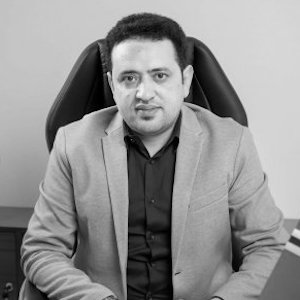
Mohamed Faheem | 🇨🇭 Zürich, Switzerland | Residence and Citizenship by Investment | Dominica CIP | English | ||
 |
Mohamed Hassan | 🇪🇬 Cairo, Egypt | Residence and Citizenship by Investment | Antigua & Barbuda CIP Cyprus Golden Visa Dominica CIP Egypt CIP Spain Golden Visa Grenada CIP Greece Golden Visa Saint Kitts & Nevis CIP Saint Lucia CIP Malta Permanent Residence Program Portugal Golden Visa | English, Arabic | ||
 |
Mohamed Mousa | 🇦🇪 Dubai, UAE | Residence and Citizenship by Investment | Antigua & Barbuda CIP Canada Startup Visa Dominica CIP Spain Golden Visa Grenada CIP Saint Kitts & Nevis CIP Saint Lucia CIP Portugal Golden Visa Portugal D7 Visa Portugal HQA Visa | English, Arabic | ||
 |
Mona Shah | 🇺🇸 New York, US | Residence and Citizenship by Investment | Antigua & Barbuda CIP Grenada CIP Portugal Golden Visa Saint Kitts & Nevis CIP Turkey CIP UK Startup/Innovator Visa United States EB-5 | English | ||
|
 |
Murat Coskun | 🇹🇷 Istanbul, Turkey | Residence and Citizenship by Investment | Antigua & Barbuda CIP Australia BIIP Investor Streams Canada Startup Visa Dominica CIP Spain Golden Visa Greece Golden Visa Saint Kitts & Nevis CIP Malta Permanent Residence Program Malta MEIN Portugal Golden Visa Turkey CIP United States EB-5 Vanuatu DSP/REO/VCP | English, Turkish, French | |
 |
Natalie Fridlender | 🇻🇳 Saigon (HCMC), Vietnam | Residence and Citizenship by Investment | Antigua & Barbuda CIP Dominica CIP Grenada CIP Saint Kitts & Nevis CIP Saint Lucia CIP Turkey CIP Malta MEIN Policy Australia BIIP Investor Streams Cayman Islands Investor Visa Greece Golden Visa Malta Permanent Residence Program Portugal Golden Visa Spain Golden Visa Russia Investor Visa | English, Russian | ||
 |
Navdeep Singh | 🇱🇻 Riga, Latvia | Residence and Citizenship by Investment | Latvia Investor Visa Latvia Digital Nomad Visa | English, Hindi, Punjabi, Latvian, Russian | ||
 |
Nerses Isajanyan | 🇦🇲 Yerevan, Armenia | Residence and Citizenship by Investment | Armenia Permanent Residence Program Armenia Citizenship by Descent Armenia Digital Nomad Visa | English, Armenian | ||
 |
Nicolas Salerno | 🇵🇹 Lisbon, Portugal | Residence and Citizenship by Investment | Antigua & Barbuda CIP Canada Startup Visa Cyprus Golden Visa Dominica CIP Greece Golden Visa Grenada CIP Malta MEIN Policy Malta Permanent Residence Program Monaco Carte de Séjour Portugal Golden Visa Saint Kitts & Nevis CIP Saint Lucia CIP Turkey CIP UAE Golden Visa United States EB-5 | English, French, Spanish | ||
 |
Nisha Mc Intyre | 🇬🇩 Grenada | Residence and Citizenship by Investment | Grenada CIP United States E2 Visa | English | ||
|
 |
Pablo Ostrick | 🇦🇪 Dubai, UAE | Residence and Citizenship by Investment, International Tax and Wealth Planning | UAE Golden Visa Antigua & Barbuda CIP Australia BIIP Investor Streams Canada Startup Visa Dominica CIP Spain Golden Visa Grenada CIP Greece Golden Visa Saint Kitts & Nevis CIP Saint Lucia CIP Malta Permanent Residence Program Malta MEIN Portugal Golden Visa United States EB-5 Vanuatu DSP/REO/VCP | English, French | |
|
 |
Patrick Feuz | 🇧🇸 Bahamas | Residence and Citizenship by Investment | Antigua & Barbuda CIP Bahamas Economic PR Saint Kitts & Nevis CIP Saint Lucia CIP Latvia Investor Visa Monaco Carte de Séjour Panama Business Investor Visa Panama Qualified Investor Visa Panama Rentista Retirado Visa Portugal Golden Visa Paraguay Independent Means Visa Paraguay Investor Permanent Residency Program (SUACE) Uruguay Independent Means Visa Uruguay Investor Visa Vanuatu DSP/REO/VCP | English, German, French, Spanish | |
|
 |
Patrick McCarthy | 🇨🇦 Montreal, Canada | International Real Estate, Residence and Citizenship by Investment | Antigua & Barbuda CIP Canada Startup Visa Nauru ECRCP Quebec Investor Immigration Program Saint Kitts & Nevis CIP | English, French, Arabic, Chinese | |
 |
Patrick McFawn | 🇺🇸 New York, US | Citizenship by Descent | Czechia Citizenship by Descent Hungary Citizenship by Descent Ireland Citizenship by Descent Italy Citizenship by Descent Poland Citizenship by Descent Portugal Citizenship by Descent Slovakia Citizenship by Descent | English, Spanish | ||
|
 |
Patrick Peters | 🇨🇦 Montreal, Canada | International Real Estate, Residence and Citizenship by Investment | Antigua & Barbuda CIP Canada Startup Visa Nauru ECRCP Quebec Investor Immigration Program Saint Kitts & Nevis CIP | English, French, Arabic, Chinese | |
 |
Paul Anthony Correa | 🇬🇮 Gibraltar | Residence and Citizenship by Investment, International Tax and Wealth Planning | UAE Golden Visa Anguilla PR Program Cyprus Golden Visa Dominica CIP Spain Golden Visa Gibraltar Category 2 HNWI Residence Program Greece Golden Visa Saint Kitts & Nevis CIP Cayman Islands Investor Visa Saint Lucia CIP Monaco Carte de Séjour Malta MEIN Malta Permanent Residence Program Malta Global Residence Program Portugal Golden Visa Turkey CIP United States EB-5 Vanuatu DSP/REO/VCP | English, Spanish | ||
|
 |
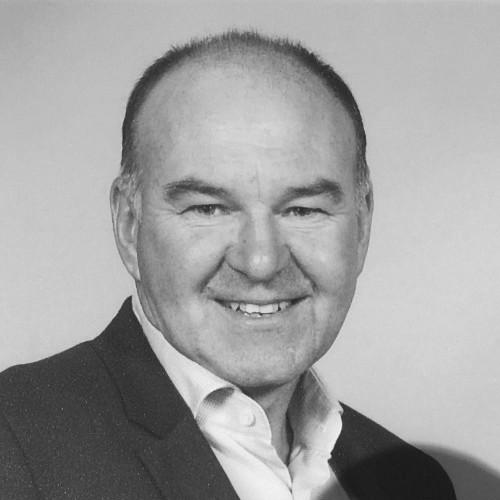
Paul Girodo | 🇨🇦 Vancouver, Canada | Residence and Citizenship by Investment | Canada Startup Visa France Talent Passport Business Investor Portugal HQA Visa | English, French | |
 |
Paul Williams | 🇬🇧 London, UK | Residence and Citizenship by Investment, International Real Estate | Antigua & Barbuda CIP, Dominica CIP, Grenada CIP, Saint Kitts & Nevis CIP Saint Lucia CIP Turkey CIP Malta MEIN Policy Cyprus Golden Visa Greece Golden Visa Malta Permanent Residence Program Portugal Golden Visa UK Innovator Founder Visa United States EB-5 Spain Golden Visa Vanuatu DSP/REO/VCP Canada Startup Visa | English | ||
 |
Pedro Correia da Silva | 🇵🇹 Lisbon, Portugal | Residence and Citizenship by Investment, Golden Visa Funds | Portugal Golden Visa | English, Portuguese | ||
|
 |
Pedro Oliveira | 🇵🇹 Lisbon, Portugal | Residence and Citizenship by Investment | Portugal Golden Visa | English, Portuguese | |
|
 |
Philippe May | 🇸🇬 Singapore | Citizenship by Descent, Residence and Citizenship by Investment, International Tax and Wealth Planning | Antigua & Barbuda CIP Dominica CIP Grenada CIP Saint Kitts & Nevis CIP Saint Lucia CIP Turkey CIP Malta MEIN Policy Anguilla Permanent Residency Program Australia BIIP Investor Streams Bahamas Economic Permanent Residence Bermuda Economic Investment Certificate (EIC) Program Cayman Islands Investor Visa Colombia Investor Visas M and R Greece Golden Visa Latvia Investor Visa Malta Permanent Residence Program Samoa Citizenship by Investment Program Portugal Golden Visa Spain Golden Visa Barbados Welcome Stamp Paraguay Investor PR Program SUACE Paraguay Independent Means Visa Uruguay Independent Means Visa Uruguay Investor Visa Andorra Residence Without Lucrative Activity Cambodia My 2nd Home Canada Startup Visa Cyprus Golden Visa Visa Monaco Carte de Séjour Panama Business Investor Visa Panama Qualified Investor Visa Panama Rentista Retirado Visa Vanuatu DSP/REO/VCP Singapore GIP Nauru | English, German, Chinese | |
 |
Prem Raja | 🇬🇧 London, UK | Residence and Citizenship by Investment | Italy Investor Visa Italy Elective Residency Visa Latvia Digital Nomad Visa Latvia Investor Visa Portugal HQA Visa Portugal Golden Visa Portugal Digital Nomad Visa Portugal D7 Visa Portugal Citizenship by Descent Qatar Golden Visa Saudi Arabia Premium Residency Independent Means Visa Saudi Arabia Premium Residency Investor Spain Non-Lucrative Visa UAE Golden Visa United States E2 Visa United States EB-5 | English, Hindi | ||
 |
Priscilla Mifsud Parker | 🇲🇹 Malta | Residence and Citizenship by Investment, International Tax and Wealth Planning | Antigua & Barbuda CIP Cyprus Golden Visa Dominica CIP Greece Golden Visa Grenada CIP Latvia Investor Visa Malta MEIN Malta Permanent Residence Program Portugal Golden Visa Saint Kitts & Nevis CIP Saint Lucia CIP Spain Golden Visa Turkey CIP UAE Golden Visa United States EB-5 Vanuatu DSP/REO/VCP Malta Startup Visa Malta Retirement Visa | English, Maltese, Italian | ||
 |
Rafael Cintron | 🇦🇪 Dubai, UAE | Cryptocurrency Investment, Residence and Citizenship by Investment | UAE Golden Visa Dominica CIP Saint Kitts & Nevis CIP Saint Lucia CIP Serbia Investor Visa | English, Spanish | ||
 |
Rahil Shariff | 🇦🇪 Dubai, UAE | Residence and Citizenship by Investment | Antigua & Barbuda CIP Canada Startup Visa Dominica CIP UK Innovator Founder Visa Grenada CIP Saint Kitts & Nevis CIP Saint Lucia CIP Malta MEIN Malta Permanent Residence Program Portugal Golden Visa United States EB-5 Vanuatu DSP/REO/VCP | English, Hindi | ||
 |
Reid Kirchenbauer | 🇹🇭 Bangkok, Thailand | Residence and Citizenship by Investment | Cambodia My 2nd Home Cambodia CIP | English, Khmer | ||
 |
Richard Hallam | 🇬🇩 Grenada | Residence and Citizenship by Investment | Grenada CIP | English, French | ||
|
 |
Roberts Valpiters | 🇱🇻 Riga, Latvia | Residence and Citizenship by Investment | Latvia Citizenship by Descent, Latvia Investor Visa, Latvia Digital Nomad Visa | English, Russian, Hindi, Latvian | |
 |
Roderick Cutajar | 🇲🇹 Malta | Residence and Citizenship by Investment | UAE Golden Visa Antigua & Barbuda CIP Cyprus Golden Visa Dominica CIP Spain Golden Visa Greece Golden Visa Saint Kitts & Nevis CIP Saint Lucia CIP Malta MEIN Malta Permanent Residence Program Malta Global Residence Program Malta Digital Nomad Visa Turkey CIP Malta Startup Visa Malta Retirement Visa | English, Maltese, Italian | ||
 |
Rogelio Caceres | 🇺🇸 Miami, US | Residence and Citizenship by Investment | Bahamas Economic PR Canada Startup Visa Cayman Islands Investor Visa Costa Rica Investor Visa Czechia Citizenship by Descent Hungary Citizenship by Descent Ireland Citizenship by Descent Italy Citizenship by Descent Latvia Citizenship by Descent Panama Qualified Investor Visa Poland Citizenship by Descent Portugal D7 Visa Singapore Entrepass Slovak Citizenship by Descent Spain Golden Visa Spain Non-Lucrative Visa UAE Golden Visa UAE Golden Visa United States E2 Visa United States EB-5 Portugal Digital Nomad Visa Greece Digital Nomad Visa Malta Digital Nomad Visa Latvia Digital Nomad Visa Spain Digital Nomad Visa | English, Spanish | ||
 |
Rosalind Cox | 🇻🇺 Port Vila, Vanuatu | Residence and Citizenship by Investment | Vanuatu DSP/REO/VCP | English | ||
 |
Russell Attard Baldacchino | 🇲🇹 Ta' Xbiex, Malta | Residence and Citizenship by Investment, Startup and Entrepreneur Visas | Malta Digital Nomad Visa Malta Global Residence Program Malta Permanent Residence Program Malta Startup Visa | English, Maltese, Italian | ||
 |
Saadiya Saadat | 🇦🇪 Dubai, UAE | Residence and Citizenship by Investment | Antigua & Barbuda CIP Cyprus Golden Visa Dominica CIP Greece Golden Visa Grenada CIP Latvia Investor Visa Malta MEIN Malta Permanent Residence Program Portugal Golden Visa Saint Kitts & Nevis CIP Saint Lucia CIP Spain Golden Visa Turkey CIP UAE Golden Visa United States EB-5 Vanuatu DSP/REO/VCP | English, Farsi, Urdu | ||
 |
Sachit Kumar | 🇮🇳 New Delhi, India | Residence and Citizenship by Investment | Dominica CIP Saint Lucia CIP | English, Hindi | ||
|
 |
Şafak Nervo | 🇵🇹 Lisbon, Portugal | Residence and Citizenship by Investment | Portugal Golden Visa | English, Turkish, French | |
 |
Sam Bayat | 🇦🇪 Dubai, UAE | Residence and Citizenship by Investment | Antigua & Barbuda CIP Dominica CIP Grenada CIP Saint Kitts & Nevis CIP Saint Lucia CIP Turkey CIP Malta MEIN Policy Australia BIIP Investor Streams Cayman Islands Investor Visa Greece Golden Visa Malta Permanent Residence Program Portugal Golden Visa Spain Golden Visa Canada Startup Visa United States EB-5 | English, French, Farsi | ||
 |
Sarrah Sammoon | 🇱🇰 Colombo, Sri Lanka | Residence and Citizenship by Investment | Antigua & Barbuda CIP Australia BIIP Investor Streams Austria Independent Means Visa Canada Startup Visa Cyprus Golden Visa Dominica CIP Greece Golden Visa Grenada CIP Jersey High Value Residency Latvia Investor Visa Malaysia M2H Visa Malta MEIN Policy Malta Permanent Residence Program Monaco Carte de Séjour Portugal Golden Visa Saint Kitts & Nevis CIP Saint Lucia CIP Singapore Entrepass Sri Lanka Independent Means Visas Sri Lanka Investor Visas United States EB-5 | English, Sinhala | ||
 |
Sebastian Michael | 🇦🇪 Dubai, UAE | Residence and Citizenship by Investment | Antigua & Barbuda CIP Dominica CIP Spain Golden Visa UK Innovator Founder Visa Grenada CIP Greece Golden Visa Saint Kitts & Nevis CIP Saint Lucia CIP Malta MEIN Malta Permanent Residence Program Portugal Golden Visa Turkey CIP United States EB-5 Vanuatu DSP/REO/VCP | English, Hindi | ||
|
 |
Siren Chen | 🇨🇳Shenzhen, China | Residence and Citizenship by Investment | Antigua & Barbuda CIP Australia BIIP Investor Streams Canada Startup Visa Cyprus Golden Visa Dominica CIP Greece Golden Visa Grenada CIP Malaysia M2H Visa Malta MEIN Policy Malta Permanent Residence Program Portugal D7 Visa Portugal Golden Visa Saint Kitts & Nevis CIP Saint Lucia CIP Singapore Entrepass South Korea Investor Visa Spain Golden Visa Spain Non-Lucrative Visa Thailand Elite Residence Program Turkey CIP UAE Golden Visa UK Startup/Innovator Visa United States E2 Visa United States EB-5 Vanuatu DSP/REO/VCP Japan Active Investor Visa Hong Kong CIES Vietnam Investor Visa Singapore GIP New Zealand Taiwan Digital Nomad Visa | English, Chinese | |
 |
Slava Apel | 🇨🇦 Toronto, Canada | Residence and Citizenship by Investment | Canada Startup Visa | English, Russian, Romanian | ||
|
 |
Sofia Erotokritou | 🇬🇷 Athens, Greece | International Real Estate, Residence and Citizenship by Investment | Greece Golden Visa | English, Chinese, Greek | |
 |
Stephen Barnes | 🇭🇰 Hong Kong | Residence and Citizenship by Investment | Hong Kong Capital Investment Entrant Scheme Sierra Leone CIP Sierra Leone PR (Go-for-Gold) | English | ||
 |
Steven Corbin | 🇬🇩 Grenada | International Law, Residence and Citizenship by Investment | Antigua & Barbuda CIP Australia BIIP Investor Streams Canada Startup Visa Chile Independent Means Visas Chile Investor Visa Cyprus Golden Visa Dominica CIP France Talent Passport Business Investor France Talent Passport – Startup and Business France Talent Passport Startup and Business Creation France Citizenship by Descent France Financially Independent Person Greece Golden Visa Grenada CIP Italy Citizenship by Descent Italy Elective Residency Visa Italy Investor Visa Irish Citizenship by Descent Lithuania Citizenship by Descent Malta Permanent Residence Program Mauritius Permanent Residency Program Mauritius Active Investor Visas Mauritius Retirement Visa Monaco Carte de Séjour Namibia Investor Residency New Zealand Investor Visa Panama Business Investor Visa Panama Qualified Investor Visa Panama Rentista/Pensionado Visa Philippines Retirement Visa SRRV Philippines Special Investor Residence Permit Portugal Golden Visa Portugal D7 Visa Quebec Entrepreneurs for French speakers Saint Kitts & Nevis CIP Saint Lucia CIP Singapore Entrepass Slovakia Citizenship by Descent South Africa Financial Independent Permit Spain Golden Visa Taiwan Golden Visa Thailand Elite Residence Program Thailand Long-Term Residency Thailand Retirement Visa Thailand Permanent Residency Thailand Citizenship | English | ||
|
 |
Taymour Polding | 🇹🇷 Istanbul, Turkey | Residence and Citizenship by Investment | Turkey CIP | English, Turkish | |
 |
Teuta Narazan | 🇹🇷 Istanbul, Turkey | International Real Estate, Residence and Citizenship by Investment | Antigua & Barbuda CIP Dominica CIP Greece Golden Visa Grenada CIP Italy Investor Visa Latvia Investor Visa Malta Permanent Residence Program Portugal Golden Visa Saint Kitts & Nevis CIP Saint Lucia CIP Turkey CIP United States EB-5 | English, Turkish | ||
 |
Till Neumann | 🇨🇭 Zürich, Switzerland | Residence and Citizenship by Investment | Antigua & Barbuda CIP Cyprus Golden Visa Germany Self-Employment Visa Spain Golden Visa Greece Golden Visa Saint Kitts & Nevis CIP Malta Permanent Residence Program Malta MEIN Portugal Golden Visa Turkey CIP United States EB-5 Vanuatu DSP/REO/VCP | English, German | ||
|
 |
Tom Constanti | 🇬🇷 Athens, Greece | International Real Estate, Residence and Citizenship by Investment | Greece Golden Visa | English, Greek | |
 |
Tomas Bucek | 🇻🇳 Hanoi, Vietnam | Citizenship by Descent | Slovakia Citizenship by Descent | English, Slovak, German, Chinese | ||
 |
Valentino Coletto | 🇮🇹 Padua, Italy | Residence and Citizenship by Investment, International Tax and Wealth Planning | Antigua & Barbuda CIP Albania Digital Nomad Visa Cyprus Golden Visa Cyprus Digital Nomad Visa Dominica CIP Grenada CIP Gibraltar Category 2 HNWI Residence Program Italy Investor Visa Italy Elective Residency Visa Italy Representative Office Visa Saint Kitts & Nevis CIP Saint Lucia CIP Panama Digital Nomad Visa Panama Business Investor Visa Panama Qualified Investor Visa Panama Rentista Retirado Visa Portugal Digital Nomad Visa Portugal Golden Visa Portugal D7 Visa Paraguay Independent Means Visa Paraguay Investor Permanent Residency Program (SUACE) San Marino Residency for Economic Reasons Vanuatu DSP/REO/VCP Switzerland Indepenent Means | English, Italian, Russian | ||
 |
Varun Singh | 🇮🇳 Bangalore, India | Residence and Citizenship by Investment | Antigua & Barbuda CIP Antigua & Barbuda Digital Nomad Visa Australia BIIP Investor Streams Barbados Digital Nomad Visa Cambodia CIP Cayman Islands Investor Visa Croatia Digital Nomad Visa Curaçao Investor Permit Program Cyprus Golden Visa Dominica CIP Dominican Republic Independent Means Visas Dominican Republic Investor Visa France Talent Passport Business Investor Germany Digital Nomad Visa Germany Self-Employment Visa Grenada Digital Nomad Visa Hungary Active Investor Visa Hungary Citizenship by Descent Ireland Citizenship by Descent Italy Citizenship by Descent Italy Digital Nomad Visa Latvia Citizenship by Descent Latvia Digital Nomad Visa Mauritius Permanent Residency Program Mauritius Retirement Visa Monaco Carte de Séjour Montenegro Digital Nomad Visa New Zealand Investor Visa Panama Business Investor Visa Portugal Golden Visa Portugal HQA Visa Quebec Immigrant Investor Program Qatar Golden Visa Russia Investor Visa UAE Digital Nomad Visa UAE Golden Visa UK Innovator Founder Visa United States E2 Visa United States EB-5 Uruguay Digital Nomad Visa Uruguay Independent Means Visa Uruguay Investor Visa Vanuatu DSP/REO/VCP | English, Hindi | ||
 |
Vasil Markov | 🇧🇬 Sofia, Bulgaria | Residence and Citizenship by Investment | Bulgaria Citizenship by Descent, Bulgaria Residence by Investment | English, Bulgarian | ||
 |
Vincent Fong | 🇲🇾 Penang, Malaysia | Residence and Citizenship by Investment | Malaysia Digital Nomad Visa Malaysia M2H Visa Thailand Elite Residence Program Taiwan Golden Visa (Plum Blossom Card) Malaysia PViP Sarawak Sabah | English, Malay, Chinese | ||
 |
Vito Magagnino | 🇨🇭 Zürich, Switzerland | Residence and Citizenship by Investment | Antigua & Barbuda CIP Austria Independent Means Visa Germany Self-Employment Visa Greece Golden Visa Grenada CIP Malta MEIN Policy Malta Permanent Residence Program Portugal Golden Visa Saint Kitts & Nevis CIP Saint Lucia CIP UAE Golden Visa UK Startup/Innovator Visa United States EB-5 Vanuatu DSP/REO/VCP Switzerland Independent Means Visa | English, German, Italian | ||
 |
Viviana Echeverria Pascual | 🇪🇸 San Sebastián, Spain | Residence and Citizenship by Investment | Spain Digital Nomad Visa, Spain Non-Lucrative Visa | English, Spanish | ||
|
 |
Werner Gruner | 🇵🇹 Lisbon, Portugal | Residence and Citizenship by Investment | Antigua & Barbuda CIP Australia BIIP Investor Streams Canada Startup Visa Dominica CIP Spain Golden Visa Greece Golden Visa Saint Kitts & Nevis CIP Malta Permanent Residence Program Malta MEIN Portugal Golden Visa Turkey CIP United States EB-5 Vanuatu DSP/REO/VCP | English, French | |
 |
Yamin Fouzi | 🇨🇭 Zürich, Switzerland | Residence and Citizenship by Investment | Armenia Permanent Residence Program Cyprus Golden Visa Greece Golden Visa Italy Citizenship by Descent Saint Kitts & Nevis CIP Latvia Investor Visa Malaysia M2H Visa Panama Business Investor Visa Portugal Golden Visa Paraguay Independent Means Visa Paraguay Investor Permanent Residency Program (SUACE) Vanuatu DSP/REO/VCP | English, French, German | ||
 |
Zaid Al-Hindi | 🇦🇪 Dubai, UAE | Residence and Citizenship by Investment | UAE Golden Visa Antigua & Barbuda CIP Dominica CIP Egypt CIP Spain Golden Visa Grenada CIP Greece Golden Visa Jordan CIP Saint Kitts & Nevis CIP Saint Lucia CIP Malta MEIN Malta Permanent Residence Program Portugal Golden Visa Turkey CIP Vanuatu DSP/REO/VCP | English, Arabic | ||
| . | Name | Expert based in | Areas of expertise | Program you'd like help with | Service language(s) |
IMI Pro
For committed professionals-
Your own dedicated IMI Pro profile page in IMI
-
Access IMI Rolodex
-
Access to IMI Data Center
-
Access to IMI Private Briefings
-
IMI Citizenship Catalog
-
Unlimited articles
-
Quarterly Processing Time Data
-
IMI Reports included
-
Access IMI Inner Circle Telegram Group
-
Watch members-only interviews
-
Advance invitation to IMI Events
