
Amman
Korea introduces residency rules for foreign buyers, reflecting a wider trend of nations tightening property access.
South Korea has imposed restrictions on foreign property purchases across the Seoul Metropolitan Area, requiring government approval and mandatory residency requirements as overseas investors increasingly exploit loopholes in domestic mortgage rules.
The Ministry of Land, Infrastructure and Transport announced that foreign buyers must now obtain permits before acquiring homes in Seoul, 23 cities and counties in Gyeonggi Province, and seven districts in Incheon, effective today.
The restrictions mandate that foreign purchasers move into their properties within four months and maintain residency for at least two years. Violations carry penalties of up to 10% of the property’s value, with potential contract nullification for non-compliance.
Foreign property transactions in the Seoul metropolitan area have surged from 4,568 in 2022 to 7,296 in 2024, representing annual growth exceeding 26%. Through July 2025, foreigners completed 4,431 residential purchases, placing the year on track to surpass 7,600 transactions.

The policy directly targets speculative buying that intensified after South Korea’s June mortgage restrictions capped domestic household loans at 600 million won ($439,000). While South Korean buyers face stricter lending limits, foreign investors continued accessing high-end apartments through overseas financing, creating market distortions that officials deemed unsustainable.
Recent transactions have shattered price records across Seoul’s premium districts. A US national purchased a 240-square-meter Hannam district apartment for 12 billion won ($8.7 million) in April, establishing a new building record. A Maltese buyer acquired a luxury Gangnam villa for 7.4 billion won in March.
First Vice Land Minister Lee Sang-kyung emphasized that the measure aims to “prevent speculative foreign capital inflows and stabilize house prices, thereby contributing to housing welfare for our citizens.” The government has pledged enhanced scrutiny of funding sources and detailed examination of financing documentation.

Foreign buyers utilizing South Korea’s property manager system have drawn particular attention from regulators. Since August 2023, foreign buyers have purchased 497 residential properties in the capital region through this mechanism, with US nationals accounting for more than 60% of transactions and Chinese nationals representing approximately 22%.
Chinese citizens own 56,301 residential units nationwide, leading all foreign nationalities, followed by Americans with 22,031 properties, Canadians with 6,315, and Taiwanese with 3,360 units according to government data.

Global Trend Toward Restricting Foreign Homeownership
South Korea’s restrictions align with an accelerating global trend as nations implement increasingly stringent controls on foreign property ownership.
Canada has maintained a complete ban on foreign residential purchases since 2023, recently extending the prohibition through January 2027 following evidence that overseas money has intensified housing affordability concerns across major urban centers.
Australia implemented a two-year moratorium on foreign purchases of established dwellings in April 2025, running through March 2027. The policy allows foreign investment in new construction while blocking acquisition of existing homes, reflecting concerns about housing supply constraints.
However, Juwai IQI Co-Founder and Group CEO Kashif Ansari argues that “with New Zealand partially lifting its ban and South Korea imposing its partial ban, the number of countries with bans will remain the same.” New Zealand has indeed decided to partially reverse its foreign buyer restrictions as the country attempts to attract successful foreign residents and investment.
Ansari notes that “the biggest wave of anxiety about buyers from overseas crested all over the world in 2018,” marking the peak of nearly a decade of cross-border capital flowing into real estate markets across Asia, Oceania, Europe, and North America.
He observes that “in the two years leading up to 2018, Canada’s two largest provinces, six of Australia’s eight states and territories, and New Zealand’s and Australia’s national governments all increased their foreign buyer taxes or restrictions.”
Singapore has completely prohibited foreign purchases of public housing apartments while imposing an additional 60% tax on private dwelling purchases by foreign buyers, separate from standard transaction levies.
The United States has witnessed an unprecedented surge in state-level foreign ownership restrictions. According to Committee of 100 data, 30 states have passed 54 bills limiting foreign property ownership since 2021, with 17 bills becoming law in 2024 alone. Of the 414 bills introduced by states and Congress since 2021, 266 contain provisions restricting Chinese property ownership specifically.
Chinese businesses and citizens own 0.6% of all privately held foreign-owned agricultural property in the United States, representing approximately 0.021% of total privately held agricultural land nationwide. This amounts to roughly one out of every 4,800 acres, according to Department of Agriculture data.
The effectiveness of such measures remains questionable. Ansari observes that “there hasn’t been a single case of foreign buyer bans solving housing affordability and supply crises because foreign buyers are never the root cause.” He notes that “Canada and Australia have both found that bans have made little difference.”
Regarding potential economic consequences, Ansari explains that “we haven’t documented a causal link between foreign buyer bans and FDI” and that “most FDI is large-scale corporate investment that is determined by commercial factors rather than the housing market.” However, he suggests that foreign buyer restrictions might signal that “outside investment is not welcome,” potentially indicating broader regulatory barriers.

South Korea’s restrictions represent the first time governments have introduced such regulations specifically to stabilize real estate markets, as previous foreign ownership limitations focused primarily on national security concerns.
The one-year designation period allows policymakers to assess market impacts before determining whether to extend or modify the program beyond August 2026.
Ansari suggests that “you can expect some foreign buyer bans to be lifted as countries compete to attract capital and stimulate their economies,” indicating that current restrictions may prove temporary rather than permanent policy shifts.
IMI Pros who can help with South Korean residency
| . | Name | Expert based in | Areas of expertise | Program you'd like help with | Service language(s) | Get Started |
|---|---|---|---|---|---|---|
 |
Abdelrahman Hamdy | 🇪🇬 Cairo, Egypt | International Real Estate, Residence and Citizenship by Investment | Antigua & Barbuda CIP Canada Startup Visa Nauru ECRCP Quebec Investor Immigration Program Saint Kitts & Nevis CIP |
English, French, Arabic, Chinese | |
 |
Adam Juchniewicz | 🇻🇨 Saint Vincent and the Grenadines | Residence and Citizenship by Investment | UAE Golden Visa Antigua & Barbuda CIP Cyprus Golden Visa Dominica CIP Grenada CIP Greece Golden Visa Saint Kitts & Nevis CIP Cayman Islands Investor Visa Saint Lucia CIP Latvia Investor Visa Malta Global Residence Program Malta MEIN Malta Permanent Residence Program Nauru Citizenship by Investment Panama Business Investor Visa Panama Qualified Investor Visa Philippines FIV Philippines Retirement Visa (SRRV) Philippines Special Investor Portugal Golden Visa El Salvador Freedom Passport Program Turkey CIP Vanuatu DSP/REO/VCP |
English, Spanish | |
 |
Adriano Vieira | 🇵🇹 Lisbon, Portugal | Residence and Citizenship by Investment | Portugal Golden Visa Portugal D7 Visa Portugal HQA Visa, Chile Independent Means Visas, Chile Investor Visa, Spain Golden Visa, Spain Non-Lucrative Visa | English, Spanish, French, Portuguese | |
 |
Afshin Sarhangpour | 🇨🇦 Vancouver, Canada | Residence and Citizenship by Investment | Canada Startup Visa Quebec Investor Immigration Program UK Innovator Founder Visa Greece Golden Visa Italy Investor Visa Portugal D7 Visa Portugal Digital Nomad Visa Portugal Golden Visa Portugal HQA Visa Turkey CIP United States E2 Visa United States EB-5 |
English, Farsi, Turkish | |
 |
Ahsan Khaliq | 🇦🇪 Dubai, UAE | Residence and Citizenship by Investment | UAE Golden Visa Antigua & Barbuda CIP Dominica CIP Spain Golden Visa Grenada CIP Greece Golden Visa Saint Kitts & Nevis CIP Saint Lucia CIP Latvia Investor Visa Malta Permanent Residence Program Nauru ECRCP Portugal D7 Visa Portugal Digital Nomad Visa Portugal Golden Visa United States E2 Visa |
English, Urdu | |
 |
Alaattin Kilic | 🇺🇸 Miami, US | Residence and Citizenship by Investment | UAE Golden Visa, United States E2 Visa | English, Spanish, French, Hindi, Urdu, Turkish | |
 |
Alexander Bello | 🇦🇪 Dubai, UAE | Residence and Citizenship by Investment | Antigua & Barbuda CIP Australia BIIP Investor Streams Bahamas Economic PR Barbados Welcome Stamp Cambodia M2H Canada Startup Visa Cyprus Golden Visa Dominica CIP Greece Golden Visa Grenada CIP Latvia Investor Visa Malta MEIN Malta Permanent Residence Program Monaco Carte de Séjour Panama Business Investor Visa Panama Qualified Investor Visa Panama Rentista Retirado Visa Paraguay Permanent Residency Program Philippines Special Investor Saint Kitts & Nevis CIP Saint Lucia CIP Turkey CIP Uruguay Independent Means Visa Vanuatu DSP/REO/VCP Nauru |
English, Italian, German | |
 |
Alexander Osetinskiy | 🇪🇸 Valencia, Spain | Residence and Citizenship by Investment, International Tax and Wealth Planning | UAE Golden Visa Spain Non-Lucrative Visa Spain Golden Visa Portugal Golden Visa Portugal D7 Visa Portugal HQA Visa Turkey CIP Spain Digital Nomad Visa |
English, Russian | |
 |
Alexander Risvas | 🇬🇷 Athens, Greece | Residence and Citizenship by Investment | Greece Golden Visa Greece FIP | ||
 |
Alexandre Cunha Elias | 🇵🇹 Lisbon, Portugal | Residence and Citizenship by Investment | Portugal Golden Visa | English, Portuguese | |
 |
Alnoor Kamani | 🇨🇦 Calgary, Canada | Residence and Citizenship by Investment | UAE Golden Visa Antigua & Barbuda CIP Anguilla PR Program Canada Startup Visa Dominica CIP Spain Golden Visa Grenada CIP Greece Golden Visa Hungary Guest Investor Program Hungary Active Investor Visa Saint Kitts & Nevis CIP Cayman Islands Investor Visa Saint Lucia CIP Latvia Investor Visa Malta Permanent Residence Program Malta MEIN Portugal Golden Visa Portugal D7 Visa Thailand Elite Residence Program Turkey CIP United States E2 Visa United States EB-5 Vanuatu DSP/REO/VCP |
English, Arabic, Hindi | |
 |
Ana Rita Figueiras | 🇵🇹 Lisbon, Portugal | Residence and Citizenship by Investment | Portugal Golden Visa | English, Portuguese, Spanish | |
 |
Anastasia Barna | 🇦🇪 Dubai, UAE | Residence and Citizenship by Investment | UAE Golden Visa Antigua & Barbuda CIP Canada Startup Visa Dominica CIP Egypt CIP Spain Digital Nomad Visa Spain Golden Visa Spain Non-Lucrative Visa France Financially Independent Person Grenada CIP Hungary Active Investor Visa Hungary Guest Investor Program Jordan CIP Saint Kitts & Nevis CIP Saint Lucia CIP Malta Permanent Residence Program Portugal Golden Visa Turkey CIP United States EB-5 Vanuatu DSP/REO/VCP Russia Investor Visa |
English, Russian | |
 |
André Gonçalves | 🇦🇪 Dubai, UAE | Residence and Citizenship by Investment | Antigua & Barbuda CIP Greece Golden Visa Grenada CIP Malta MEIN Policy Malta Permanent Residence Program Portugal Golden Visa Saint Kitts & Nevis CIP Saint Lucia CIP Turkey CIP Vanuatu DSP/REO/VCP |
English, Portuguese | |
 |
Andy Maher | 🇬🇧 London, UK | Due Diligence | English | ||
 |
Antoine Saliba-Haig | 🇲🇹 Malta | Residence and Citizenship by Investment, International Tax and Wealth Planning | Antigua & Barbuda CIP Cyprus Golden Visa Dominica CIP Greece Golden Visa Grenada CIP Latvia Investor Visa Malta MEIN Malta Permanent Residence Program Portugal Golden Visa Saint Kitts & Nevis CIP Saint Lucia CIP Spain Golden Visa Turkey CIP UAE Golden Visa United States EB-5 Vanuatu DSP/REO/VCP Malta Digital Nomad Visa Malta Startup Visa Malta Retirement Visa |
English, Maltese, Italian | |
 |
Aran Hawker | 🇹🇷 Istanbul, Turkey | Residence and Citizenship by Investment | Turkey CIP | English, Turkish | |
 |
Asif Ali | 🇦🇪 Dubai, UAE | Residence and Citizenship by Investment | Antigua & Barbuda CIP Canada Startup Visa Cyprus Golden Visa Dominica CIP Grenada CIP Greece Golden Visa Saint Kitts & Nevis CIP Saint Lucia CIP Portugal Golden Visa Turkey CIP Vanuatu DSP/REO/VCP |
English, Punjabi | |
 |
Aydin Aksoy | 🇹🇷 Istanbul, Turkey | Residence and Citizenship by Investment | UAE Golden Visa Antigua & Barbuda CIP Cyprus Golden Visa Dominica CIP Spain Golden Visa France Financially Independent Person UK Innovator Founder Visa Grenada CIP Greece Golden Visa Hungary Guest Investor Program Saint Kitts & Nevis CIP Saint Lucia CIP Monaco Carte de Séjour Malta MEIN Malta Permanent Residence Program Portugal Golden Visa Turkey CIP United States E2 Visa Vanuatu DSP/REO/VCP |
English, Turkish, Farsi, Azerbaijani | |
 |
Brendan Metcalfe | 🇵🇹 Lisbon, Portugal | Independent Means Visas, Residence and Citizenship by Investment | Argentina Active Investor Visa (Inversionista) Argentina Rentista and Pensionado Residency Brazil Digital Nomad Visa Brazil Investor Visa (VIPER) Chile Independent Means Visas Chile Investor Visa Colombia Digital Nomad Visa Colombia Investor Visa Costa Rica Independent Means Visas Costa Rica Investor Visa Dominican Republic Independent Means Visas Dominican Republic Investor Visa Ecuador Independent Means Visas Ecuador Investor Visa Spain Non-Lucrative Visa Guatemala Passive Income Visa Honduras Independent Means Visas Honduras Investor Visa Ireland Citizenship by Descent Italy Citizenship by Descent Mexico Legal Residency VisaPanama Friendly Nations Visa Panama Rentista Retirado Visa Peru Independent Means Visa (Rentista) Philippines FIV Portugal Golden Visa Paraguay Independent Means Visa Paraguay Investor Permanent Residency Program (SUACE) El Salvador Freedom Passport Program Uruguay Independent Means Visa |
English, Spanish | |
 |
Charlie Maggi | 🇦🇪 Dubai, UAE | Residence and Citizenship by Investment | UAE Golden Visa Antigua & Barbuda CIP Canada Startup Visa Cyprus Golden Visa Dominica CIP France Talent Passport Business Investor France Talent Passport Startup and Business ation UK Innovator Founder Visa Grenada CIP Greece Golden Visa Hungary Guest Investor Program Italy Investor Visa Saint Kitts & Nevis CIP Saint Lucia CIP Latvia Investor Visa Nauru CIP Portugal Golden Visa Paraguay Independent Means Visa Turkey CIP United States EB-5 Uruguay Investor Visa Vanuatu CIP |
English, French, Chinese | |
 |
Christopher Lennon | 🇨🇦 Vancouver, Canada | Residence and Citizenship by Investment | Canada Startup Visa France Talent Passport Business Investor Portugal HQA Visa | English | |
 |
Christina Georgaki | 🇬🇷 Thessaloniki, Greece | Residence and Citizenship by Investment | Greece Golden Visa; Greece FIP | English, Greek | |
 |
Christina Tabacco | 🇺🇸 United States | Residence and Citizenship by Investment | United States EB-5 | English | |
 |
Csaba Magyar | 🇭🇺 Budapest, Hungary | Residence and Citizenship by Investment, International Tax and Wealth Planning | Hungary Active Investor Visa Hungary Golden Visa Hungary Guest Investor Program Hungary Digital Nomad Visa | English, Hungarian, German | |
 |
Dahlia Joseph-Rowe | 🇰🇳 Saint Kitts and Nevis | Residence and Citizenship by Investment | Saint Kitts & Nevis CIP | English | |
 |
Daisy Joseph-Andall | 🇰🇳 Saint Kitts and Nevis | Residence and Citizenship by Investment | Saint Kitts & Nevis CIP | English | |
 |
Dario Montagnese | 🇮🇹 Turin, Italy | Residence and Citizenship by Investment | Italy Investor Visa Italy Elective Residence | English, Italian, Portuguese | |
 |
David Comtois | 🇨🇦 Toronto, Canada | Residence and Citizenship by Investment | Canada Startup Visa United States EB-5 United States E2 Visa Quebec Investment Immigration Program |
English, French | |
 |
David Lawrence Lincoln | 🇵🇾 Asunción, Paraguay | Residence and Citizenship by Investment | UAE Golden Visa Antigua & Barbuda CIP Argentina Rentista and Pensionado Residency Brazil Investor Visa (VIPER) Dominica CIP Grenada CIP Greece FIP Visa Greece Golden Visa Saint Kitts & Nevis CIP Saint Lucia CIP Latvia Investor Visa Malta Permanent Residence Program Malta MEIN Mexico Legal Residency Visa Portugal D7 Visa Portugal HQA Visa Portugal Golden Visa Paraguay Independent Means Visa Paraguay Investor Permanent Residency Program (SUACE) Turkey CIP Nicaragua Canada SUV Hungary Guest Investor Portugal Digital Nomad Visa Greece Digital Nomad Visa Malta Digital Nomad Visa Latvia Digital Nomad Visa Spain Digital Nomad Visa |
English, Portuguese | |
 |
David Lesperance | 🇵🇱 Gdynia, Poland | Citizenship by Descent, Residence and Citizenship by Investment, US Expatriation, International Tax and Wealth Planning, Family Office Advisory | Antigua & Barbuda CIP, Dominica CIP, Grenada CIP, Saint Kitts & Nevis CIP Saint Lucia CIP Turkey CIP Malta MEIN Policy Australia BIIP Investor Streams Bahamas Economic Permanent Residence Cayman Islands Investor Visa Cyprus Golden Visa Greece Golden Visa Latvia Investor Visa Malta Permanent Residence Program Panama Qualified Investor Visa |
English | |
 |
David Poston | 🇦🇪 Dubai, UAE | Residence and Citizenship by Investment | Greece Golden Visa Portugal Golden Visa Portugal D7 | English | |
 |
David Regueiro | 🇦🇪 Dubai, UAE | Residence and Citizenship by Investment | Antigua & Barbuda CIP Canada Startup Visa Dominica CIP Spain Golden Visa Grenada CIP Saint Lucia CIP Malta Permanent Residence Program Portugal Golden Visa Turkey CIP UAE Golden Visa Vanuatu DSP/REO/VCP Saudi Arabia |
English, Spanish, French, Portuguese | |
 |
Deepesh Agarwal | 🇸🇬 Singapore | Residence and Citizenship by Investment | Antigua & Barbuda CIP Canada Startup Visa Dominica CIP Grenada CIP Greece Golden Visa Italy Investor Visa Saint Kitts & Nevis CIP Saint Lucia CIP Malta Permanent Residence Program Portugal Golden Visa Singapore Global Investor Program Turkey CIP UAE Golden Visa United States EB-5 Vanuatu DSP/REO/VCP |
English | |
 |
Demetris Demetriades | 🇨🇾 Paphos, Cyprus | Residence and Citizenship by Investment | Cyprus Golden Visa Greece Golden Visa Greece FIP Visa Cyprus Digital Nomad Visa |
English, Greek | |
 |
Duaa Jamal | 🇦🇪 Dubai, UAE | Residence and Citizenship by Investment | Antigua & Barbuda CIP Dominica CIP Grenada CIP Saint Kitts & Nevis CIP Saint Lucia CIP Malta MEIN Turkey CIP |
English, Arabic | |
 |
Duarte Caldas | 🇵🇹 Lisbon, Portugal | Residence and Citizenship by Investment | Portugal Golden Visa | English, Portuguese | |
 |
Dwayne Chauhan | 🇮🇪 Dublin, Ireland | Residence and Citizenship by Investment, International Tax and Wealth Planning | Antigua & Barbuda CIP Dominica CIP Greece Golden Visa Grenada CIP Malta MEIN Policy Malta Permanent Residence Program Portugal Golden Visa Saint Kitts & Nevis CIP Saint Lucia CIP Turkey CIP UAE Golden Visa Vanuatu DSP/REO/VCP |
English | |
 |
Elena Ruda | 🇦🇹 Vienna, Austria | Residence and Citizenship by Investment | Andorra Residence Without Lucrative Activity Antigua & Barbuda CIP Austria Independent Means Visa Canada Startup Visa Cyprus Golden Visa Dominica CIP Greece Golden Visa Grenada CIP Malta MEIN Policy Malta Permanent Residence Program Portugal Golden Visa Saint Kitts & Nevis CIP Saint Lucia CIP Spain Golden Visa Turkey CIP UAE Golden Visa United States EB-5 Vanuatu DSP/REO/VCP Hungary Active Investor Visa Portugal Digital Nomad Visa Malta Digital Nomad Visa Spain Digital Nomad Visa Italy Digital Nomad Visa Hungary Digital Nomad Visa Indonesia Digital Nomad Visa Mauritius Digital Nomad Visa |
English, Russian, German | |
 |
Eren Cicekdagi | 🇺🇸 San Francisco, US | Residence and Citizenship by Investment | United States EB-5 | English, German, Turkish | |
 |
Eric G. Major | 🇬🇧 London, UK | Citizenship by Descent, Residence and Citizenship by Investment | Antigua & Barbuda CIP Dominica CIP Grenada CIP Saint Lucia CIP Turkey CIP Malta MEIN Policy Anguilla Permanent Residency Program Australia BIIP Investor Streams Cayman Islands Investor Visa Colombia Investor Visas M and R Greece Golden Visa Malta Permanent Residence Program Portugal Golden Visa |
English, French | |
 |
Evangelia Tsatsomaridi | 🇬🇷 Athens, Greece | Residence and Citizenship by Investment | Greece Golden Visa Greece FIP Greece Digital Nomad Visa | English, Spanish, French, Greek | |
 |
Evelyn Xinxin Xu | 🇭🇰 Hong Kong | Residence and Citizenship by Investment | UAE Golden Visa Antigua & Barbuda CIP Canada Startup Visa Dominica CIP Grenada CIP Greece Golden Visa Hungary Guest Investor Program Saint Kitts & Nevis CIP Saint Lucia CIP Malta Permanent Residence Program Portugal Golden Visa Turkey CIP United States EB-5 Vanuatu DSP/REO/VCP |
English, Chinese | |
 |
Fatma Cakir | 🇹🇷 Istanbul, Turkey | Residence and Citizenship by Investment | UAE Golden Visa Canada Startup Visa Quebec Investor Immigration Program France Talent Passport Business Investor France Talent Passport Startup and Business Creation UK Innovator Founder Visa Greece Golden Visa Hungary Guest Investor Program Italy Investor Visa Jordan CIP Nauru ECRCP Portugal D7 Visa Portugal Digital Nomad Visa Portugal Golden Visa Portugal HQA Visa Singapore Global Investor Program Thailand Elite Residence Program Turkey CIP United States E2 Visa United States EB-5 |
English, Turkish | |
 |
Francisco Litvay | 🇵🇾 Asunción, Paraguay | Residence and Citizenship by Investment | UAE Golden Visa Antigua & Barbuda CIP Argentina Active Inrestor Visa (Inversionista) Argentina Rentista and Pensionado Residency Cile Investor Visa Colombia Digital Nomad Visa Colombia Independent Means Visa Colombia Investor Visa Dominica CIP Grenada CIP Ireland Citizenship by Descent Italy Citizenship by Descent Mexico Legal Residency Visa Panama Friendly Nations Visa Poland Citizenship by Descent Portugal Citizenship by Descent Portugal D7 Visa Portugal Digital Nomad Visa Paraguay Independent Means Visa Paraguay Investor Permanent Residency Program (SUACE) Saint Kitts & Nevis CIP Saint Lucia CIP Spain Digital Nomad Visa Spain Non-Lucrative Visa Turkey CIP United States E2 Visa Uruguay Independent Means Visa Vanuatu DSP/REO/VCP |
English, Spanish, Portuguese, German | |
 |
Federico Salmoiraghi | 🇮🇹 Milan, Italy | Residence and Citizenship by Investment | Italy Digital Nomad Visa Italy Elective Residency Visa Italy Investor Visa Italy Representative Office Visa |
English, Italian | |
 |
Gary Harland | 🇵🇹 Lisbon, Portugal | Residence and Citizenship by Investment | Greece Golden Visa Portugal Golden Visa Portugal D7 | English | |
 |
George Eid | 🇦🇪 Dubai, UAE | Residence and Citizenship by Investment | UAE Golden Visa Antigua & Barbuda CIP Canada Startup Visa Dominica CIP Grenada CIP Greece Golden Visa Hungary Guest Investor Program Saint Kitts & Nevis CIP Saint Lucia CIP Malta Permanent Residence Program Portugal Golden Visa Turkey CIP United States EB-5 Vanuatu DSP/REO/VCP |
English, Arabic | |
 |
George Ganey | 🇺🇸 Washington DC, US | Residence and Citizenship by Investment | United States EB-5 United States E2 Visa |
English, Spanish, Catalan | |
 |
Giannos Aristodemou | 🇨🇾 Paphos, Cyprus | Residence and Citizenship by Investment, Real Estate | Cyprus Golden Visa | English, Greek | |
 |
Gökçe Emer | 🇹🇷 Istanbul, Turkey | Residence and Citizenship by Investment | Antigua & Barbuda CIP Australia BIIP Investor Streams Canada Startup Visa Dominica CIP Greece Golden Visa Saint Kitts & Nevis CIP Malta Permanent Residence Program Malta MEIN Portugal Golden Visa |
English, Turkish | |
 |
Güvenç Ketenci | 🇹🇷 Istanbul, Turkey | Residence and Citizenship by Investment | Antigua & Barbuda CIP, Dominica CIP, Grenada CIP, Saint Kitts & Nevis CIP Saint Lucia CIP Turkey CIP Malta MEIN Policy Australia BIIP Investor Streams Cyprus Golden Visa Greece Golden Visa Malta Permanent Residence Program Portugal Golden Visa UK Innovator Founder VisaUnited States EB-5 United States E2 UAE Golden Visa Austria Independent Means Visa Monaco Carte de Séjour Vanuatu DSP/REO/VCP | English, Turkish | |
 |
Hakan Cortelek | 🇹🇷 Istanbul, Turkey | Citizenship by Descent, Residence and Citizenship by Investment | UAE Golden Visa Canada Startup Visa Quebec Investor Immigration Program France Talent Passport Business Investor France Talent Passport Startup and Business Creation UK Innovator Founder Visa Greece Golden Visa Hungary Guest Investor Program Italy Investor Visa Jordan CIP Nauru ECRCP Portugal D7 Visa Portugal Digital Nomad Visa Portugal Golden Visa Portugal HQA Visa Singapore Global Investor Program Thailand Elite Residence Program Turkey CIP United States E2 Visa United States EB-5 |
English, Turkish | |
 |
Hammad Farooqi | 🇦🇪 Dubai, UAE | Residence and Citizenship by Investment, International Tax and Wealth Planning | Antigua & Barbuda CIP Canada Startup Visa Cyprus Golden Visa Dominica CIP UK Innovator Founder Visa Grenada CIP Greece Golden Visa Saint Kitts & Nevis CIP Saint Lucia CIP Malta Permanent Residence Program Mauritius Permanent Residency Program Portugal D7 Visa Portugal Golden Visa Turkey CIP Vanuatu DSP/REO/VCP |
English, Arabic, Chinese | |
 |
Hani Alsadi | 🇸🇦 Riyadh, Saudi Arabia | Residence and Citizenship by Investment | UAE Golden Visa Antigua & Barbuda CIP Dominica CIP Grenada CIP Greece Golden Visa Hungary Guest Investor Program Saint Kitts & Nevis CIP Saint Lucia CIP Turkey CIP |
English, French, Arabic, Turkish | |
 |
Hannah Ma | 🇸🇬 Singapore | Residence and Citizenship by Investment | Antigua & Barbuda CIP Australia BIIP Investor Streams Canada Startup Visa Cyprus Golden Visa Dominica CIP Greece Golden Visa Grenada CIP Malaysia M2H Visa Malta MEIN Policy Malta Permanent Residence Program Portugal D7 Visa Portugal Golden Visa Saint Kitts & Nevis CIP Saint Lucia CIP Singapore Entrepass South Korea Investor Visa Spain Golden Visa Spain Non-Lucrative Visa Thailand Elite Residence Program Turkey CIP UAE Golden Visa UK Startup/Innovator Visa United States E2 Visa United States EB-5 Vanuatu DSP/REO/VCP Japan Active Investor Visa Hong Kong CIES Taiwan Plum Blossom Vietnam Investor Visa Singapore GIP Taiwan Digital Nomad Visa |
English, Chinese | |
 |
Hany Mostafa Moawad | 🇪🇬 Cairo, Egypt | Residence and Citizenship by Investment, International Real Estate | Antigua & Barbuda CIP Canada Startup Visa Cyprus Golden Visa Dominica CIP Egypt CIP Egypt Residence by Investment Program Greece Golden Visa Grenada CIP Malta MEIN Policy Malta Permanent Residence Program Portugal Golden Visa Saint Kitts & Nevis CIP Saint Lucia CIP Turkey CIP UAE Golden Visa Vanuatu DSP/REO/VCP |
English, Arabic | |
 |
Huma Baig | 🇦🇪 Dubai, UAE | Residence and Citizenship by Investment | Antigua & Barbuda CIP Canada Startup Visa Cyprus Golden Visa Dominica CIP UK Innovator Founder Visa Grenada CIP Greece FIP Visa Greece Golden Visa Saint Kitts & Nevis CIP Saint Lucia CIP Malta Permanent Residence Program Mauritius Active Investor Visas Mauritius Permanent Residency Program Mauritius Retirement Visa Portugal D7 Visa Portugal Golden Visa Turkey CIP Uruguay Independent Means Visa Uruguay Investor Visa Vanuatu DSP/REO/VCP |
English, Hindi, Punjabi | |
 |
Ilana van Hussteen-Meyer | 🇵🇹 Lisbon, Portugal | Residence and Citizenship by Investment | Portugal Golden Visa, Portugal HQA Visa, Italy Investor Visa, Italy Elective Residency Visa, Greece Golden Visa, Canada Startup Visa, UAE Golden Visa, United States EB-5 | English, Portuguese | |
 |
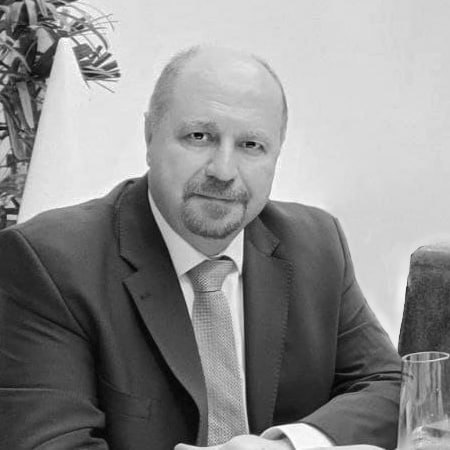
Ilja Belobragin | 🇷🇺 Moscow, Russia | Residence and Citizenship by Investment | Russia Investor Visa | English, Russian, Swedish | |
 |
Imad Elbitar | 🇹🇷 Istanbul, Turkey | Residence and Citizenship by Investment | Andorra Residence Without Lucrative Activity Antigua & Barbuda CIP Austria Independent Means Visa Canada Startup Visa Cyprus Golden Visa Dominica CIP Greece Golden Visa Grenada CIP Malta Permanent Residence Program Nicaragua Investor PR Program Nicaragua Pensionado and Rentista Visas Panama Business Investor Visa Panama Qualified Investor Visa Panama Rentista Retirado Visa Paraguay Investor PR Program SUACE Paraguay Independent Means Visa Portugal Golden Visa Saint Kitts & Nevis CIP Saint Lucia CIP Turkey CIP UAE Golden Visa United States EB-5 Uruguay Independent Means Visa Uruguay Investor Visa Vanuatu DSP/REO/VCP, Colombia Independent Means Visas |
English, Arabic, German | |
 |
Imran Mirani | 🇦🇪 Dubai, UAE | Residence and Citizenship by Investment | Antigua & Barbuda CIP Canada Startup Visa Cyprus Golden Visa Dominica CIP Grenada CIP Greece Golden Visa Hungary Guest Investor Program Saint Kitts & Nevis CIP Saint Lucia CIP Malta Global Residence Program Malta MEIN Malta Permanent Residence Program Portugal Golden Visa Turkey CIP UAE Golden Visa United States EB-5 Vanuatu DSP/REO/VCP |
English, Urdu, Hindi | |
 |
Isma Javid | 🇬🇷 Athens, Greece | Residence and Citizenship by Investment | Greece Golden Visa | English | |
 |
Ivan Petrov | 🇧🇬 Sofia, Bulgaria | Residence and Citizenship by Investment | 🇧🇬 Bulgaria Citizenship by Descent 🇧🇬 Bulgaria Residence by Investment |
English, Bulgarian, Chinese | |
 |
James Hall | 🇸🇬 Singapore | Residence and Citizenship by Investment | Australia BIIP Investor Streams New Zealand Investor Visa |
English | |
 |
Jasmin Lopez | 🇲🇽 Mexico City | Residence and Citizenship by Investment | Andorra Residence Without Lucrative Activity Antigua & Barbuda CIP Austria Independent Means Visa Canada Startup Visa Cyprus Golden Visa Dominica CIP Greece Golden Visa Grenada CIP Malta Permanent Residence Program Nicaragua Investor PR Program Nicaragua Pensionado and Rentista Visas Panama Business Investor Visa Panama Qualified Investor Visa Panama Rentista Retirado Visa Paraguay Investor PR Program SUACE Paraguay Independent Means Visa Portugal Golden Visa Saint Kitts & Nevis CIP Saint Lucia CIP Spain Golden Visa Turkey CIP UAE Golden Visa United States EB-5 Uruguay Independent Means Visa Uruguay Investor Visa Vanuatu DSP/REO/VCP, Colombia Independent Means Visas Belize Qualified Retirement |
English, Spanish | |
 |
Jason Zha | 🇨🇳 Shanghai, China | International Real Estate, Residence and Citizenship by Investment | Antigua & Barbuda CIP Canada Startup Visa Nauru ECRCP Quebec Investor Immigration Program Saint Kitts & Nevis CIP |
English, French, Arabic, Chinese | |
 |
Jean-Philippe Chetcuti | 🇲🇹 Malta | Citizenship by Descent, Residence and Citizenship by Investment, International Tax and Wealth Planning | Antigua & Barbuda CIP Cyprus Golden Visa Dominica CIP Greece Golden Visa Grenada CIP Latvia Investor Visa Malta MEIN Malta Permanent Residence Program Portugal Golden Visa Saint Kitts & Nevis CIP Saint Lucia CIP Spain Golden Visa Turkey CIP UAE Golden Visa United States EB-5 Vanuatu DSP/REO/VCP Malta Startup Visa Malta Retirement Visa |
English, Maltese | |
 |
Joana Ferreira Reis | 🇵🇹 Lisbon, Portugal | Residence and Citizenship by Investment | Portugal Golden Visa Portugal D7 Visa Portugal HQA Visa Portugal Digital Nomad Visa |
English, Portuguese, Spanish | |
 |
Keith Poston | 🇵🇹 Faro, Portugal | Residence and Citizenship by Investment | Greece Golden Visa Portugal Golden Visa Portugal D7 | English | |
 |
Kemal Nicholson | 🇺🇸 United States | Residence and Citizenship by Investment | Antigua & Barbuda CIP Dominica CIP Grenada CIP Malta Permanent Residence Program Portugal Golden Visa Saint Kitts & Nevis CIP Saint Lucia CIP Turkey CIP UAE Golden Visa |
English, Russian | |
 |
Kenneth Camilleri | 🇲🇹 Malta | Residence and Citizenship by Investment, International Tax and Wealth Planning | Greece Golden Visa Hungary Active Investor Program Malta Digital Nomad Visa Malta Global Residence Program Malta Permanent Residence Program Malta Startup Visa Portugal Golden Visa Saint Kitts & Nevis CIP Turkey CIP United States EB-5 |
English | |
 |
Kevin Hosam | 🇦🇬 Antigua & Barbuda | Residence and Citizenship by Investment | Antigua & Barbuda CIP Dominica CIP Grenada CIP Saint Kitts & Nevis CIP Saint Lucia CIP Turkey CIP Malta MEIN Policy Anguilla Permanent Residency Program Australia BIIP Investor Streams Bahamas Economic Permanent Residence Bermuda Economic Investment Certificate (EIC) Program Cayman Islands Investor Visa Colombia Investor Visas M and R Greece Golden Visa Latvia Investor Visa Malta Permanent Residence Program Portugal Golden Visa |
English | |
 |
Khatia Gelbakhiani | 🇬🇪 Tbilisi, Georgia | Residence and Citizenship by Investment | Andorra Non-Lucrative Residency UAE Digital Nomad Visa UAE Golden Visa Antigua & Barbuda CIP Antigua & Barbuda Digital Nomad Visa Albania Digital Nomad Visa Armenia Digital Nomad Visa Armenia Permanent Residence Program Argentina Active Investor Visa (Inversionista) Argentina Rentista and Pensionado Residency Austria Independent Means Visa Barbados SERP Program Barbados Welcome Stamp Bulgaria Residence by Investment Program Bahrain Golden Residence Bermuda Digital Nomad Visa Bermuda Economic Investment Certificate Program Brazil Digital Nomad Visa Brazil Investor Visa (VIPER) Brazil Retirement Visa Canada Startup Visa Quebec Investor Immigration Program Colombia Digital Nomad Visa Colombia Independent Means Visas Colombia Investor Visa Costa Rica Digital Nomad Visa Costa Rica Independent Means Visas Costa Rica Investor Visa Curaçao Digital Nomad Visa Curaçao Investor Permit Program Cyprus Digital Nomad Visa Cyprus Golden Visa Dominica CIP Dominican Republic Independent Means Visas Dominican Republic Investor Visa Ecuador Digital Nomad Visa Ecuador Independent Means Visas Ecuador Investor Visa Estonia Digital Nomad Visa Egypt CIP Spain Digital Nomad Visa Spain Non-Lucrative Visa Fiji Assured Income Permit Fiji Investor Visa France Financially Independent Person France Talent Passport Business Investor UK Innovator Founder Visa Guernsey Investor & Entrepreneur Residency Gibraltar Category 2 HNWI Residence Program Greece Digital Nomad Visa Greece FIP Visa Greece Golden Visa Honduras Independent Means Visas Honduras Investor Visa Croatia Digital Nomad Visa Hungary Digital Nomad Visa Hungary Guest Investor Program Indonesia Digital Nomad Visa Indonesia Investor Visa Indonesia Retirement Visa (KITAS) Ireland Independent Means Visa Iceland Digital Nomad Visa Italy Digital Nomad Visa Italy Investor Visa Italy Representative Office Visa Jersey High Value Residency Jordan CIP Kenya Class G Investor Visa Cambodia CIP Cambodia M2H Saint Kitts & Nevis CIP South Korea Investor Visa Saint Lucia CIP Luxembourg Investor Visa Monaco Carte de Séjour Mauritius Active Investor Visas Mauritius Digital Nomad Visa Mauritius Permanent Residency Program Mauritius Retirement Visa Mexico Legal Residency Visa Malaysia Digital Nomad Visa Malaysia M2H Visa Malaysia PViP Sabah MM2H Sarawak MM2H Nicaragua Investor PR Nicaragua Pensionado and Rentista Visas Nauru ECRCP Panama Business Investor Visa Panama Digital Nomad Visa Panama Friendly Nations Visa Panama Qualified Investor Visa Panama Rentista Retirado Visa Peru Independent Means Visa (Rentista) Philippines FIV Philippines Retirement Visa (SRRV) Pakistan CIP for Commonwealth Citizens Portugal D7 Visa Portugal Digital Nomad Visa Portugal Golden Visa Portugal HQA Visa Paraguay Independent Means Visa Paraguay Investor Permanent Residency Program (SUACE) Qatar Golden Visa Russia Investor Visa Saudi Arabia Premium Residency Investor Singapore Entrepass Singapore Global Investor Program Sierra Leone CIP Sierra Leone PR (Go-for-Gold) San Marino Residency for Economic Reasons Turks & Caicos Investor Visa Thailand Elite Residence Program Thailand LTR Visas Turkey CIP Turkey Digital Nomad Visa Taiwan Golden Visa (Plum Blossom Card) Taiwan Entrepreneur Visa United States E2 United States EB-5 Uruguay Digital Nomad Visa Uruguay Independent Means Visa Uruguay Investor Visa Uzbekistan Investor Visa Venezuela Investor Visa Venezuela Rentista Visa Vietnam Investor Visa Vanuatu DSP/REO/VCP |
English, Georgian | |
 |
Konstantina Dotsikas | 🇬🇷 Athens, Greece | Residence and Citizenship by Investment | Greece Golden Visa Greece Digital Nomad Visa | English, Greek | |
 |
Krista Victorio | 🇪🇸 Barcelona, Spain | Residence and Citizenship by Investment | UAE Golden Visa
Antigua & Barbuda CIP Canada Startup Visa Dominica CIP Spain Digital Nomad Visa Spain Non-Lucrative Visa Grenada CIP Greece Golden Visa Italy Investor Visa Saint Kitts & Nevis CIP Saint Lucia CIP Malta MEIN Malta Permanent Residence Program Portugal Golden Visa Turkey CIP United States EB-5 Vanuatu DSP/REO/VCP |
English, Spanish | |
 |
Kyle De Klerk | 🇲🇺 Port Louis, Mauritius | Residence and Citizenship by Investment, International Tax and Wealth Planning | UAE Golden Visa Antigua & Barbuda CIP Dominica CIP Spain Golden Visa Grenada CIP Greece Golden Visa Saint Kitts & Nevis CIP Saint Lucia CIP Malta Permanent Residence Program Malta MEIN Portugal Golden Visa United States EB-5 Vanuatu DSP/REO/VCP Mauritius |
English, Afrikaans | |
 |
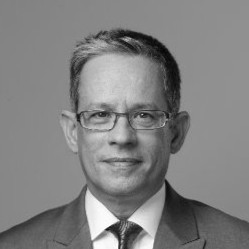
Kyle Kirkegaard | 🇨🇦 Vancouver, Canada | Residence and Citizenship by Investment | Canada Startup Visa France Talent Passport Business Investor Portugal HQA Visa | ||
 |
Laszlo Kiss | 🇲🇹 Malta | Residence and Citizenship by Investment | Antigua & Barbuda CIP, Dominica CIP, Grenada CIP, Saint Kitts & Nevis CIP Saint Lucia CIP Turkey CIP Malta MEIN Policy Australia BIIP Investor Streams Cyprus Golden Visa Greece Golden Visa Malta Permanent Residence Program Portugal Golden Visa UK Innovator Founder Visa United States EB-5 United States E2 UAE Golden Visa Austria Independent Means Visa Monaco Carte de Séjour Vanuatu DSP/REO/VCP Hungary Active Investor Visa |
English, Hungarian | |
 |
Leila Bagheri | 🇦🇪 Dubai, UAE | Residence and Citizenship by Investment | UAE Golden Visa
Antigua & Barbuda CIP Canada Startup Visa Dominica CIP Spain Digital Nomad Visa Spain Non-Lucrative Visa Grenada CIP Greece Golden Visa Italy Investor Visa Saint Kitts & Nevis CIP Saint Lucia CIP Malta MEIN Malta Permanent Residence Program Portugal Golden Visa Turkey CIP United States EB-5 Vanuatu DSP/REO/VCP |
English, Farsi | |
 |
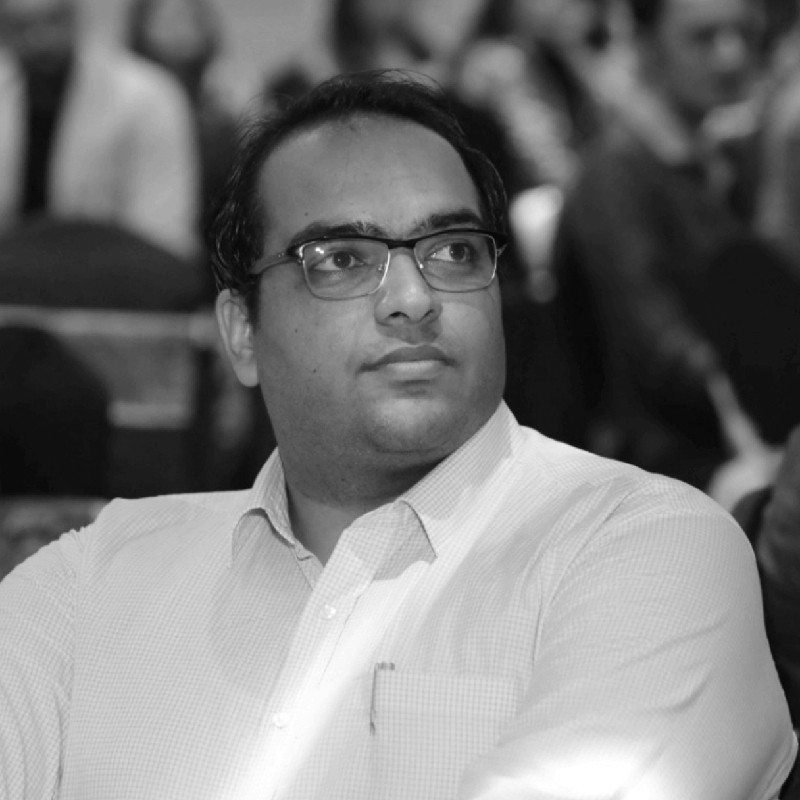
Madalena Monteiro | 🇵🇹 Lisbon, Portugal | Residence and Citizenship by Investment | 🇮🇹 Italy Citizenship by Descent 🇮🇹 Italy Digital Nomad Visa 🇮🇹 Italy Elective Residency Visa 🇮🇹 Italy Investor Visa 🇵🇹 Portugal Citizenship by Descent 🇵🇹 Portugal D7 Visa 🇵🇹 Portugal Digital Nomad Visa 🇵🇹 Portugal Golden Visa |
English, Portuguese, Italian | |
 |
Manpreet Kataria | 🇦🇪 Dubai, UAE | Residence and Citizenship by Investment | Antigua & Barbuda CIP Australia BIIP Investor Streams Canada Startup Visa Dominica CIP Grenada CIP Saint Kitts & Nevis CIP Saint Lucia CIP Malaysia M2H Visa Portugal Golden Visa Turkey CIP Vanuatu DSP/REO/VCP |
English, Hindi, Punjabi | |
 |
Manuela Luz | 🇵🇹 Lisbon, Portugal | Residence and Citizenship by Investment | Portugal Golden Visa | English, Portuguese | |
 |
Marco Mesina | 🇮🇹 Milan, Italy | Residence and Citizenship by Investment, International Tax and Wealth Planning | Italy Citizenship by Descent Italy Digital Nomad Visa Italy Elective Residency Visa Italy Investor Visa Italy Representative Office Visa |
English, Italian | |
 |
Marianna Erotokritou | 🇬🇷 Athens, Greece | International Real Estate, Residence and Citizenship by Investment | Greece Golden Visa | English, Chinese, Greek | |
 |
Mark D. Maragh | 🇱🇨 Saint Lucia | Residence and Citizenship by Investment | Saint Lucia CIP | English | |
 |
Melissa Godmer | 🇨🇦 Toronto, Canada | Residence and Citizenship by Investment | Canada Startup Visa Quebec Investment Immigration Program | English, French | |
 |
Melissa Kelley-Hilton | 🇺🇸 New York, US | Citizenship by Investment Due Diligence | English | ||
 |
Micha-Rose Emmett | 🇬🇧 London, UK | Residence and Citizenship by Investment | Antigua & Barbuda CIP Canada Startup Visa Cyprus Golden Visa Dominica CIP Egypt CIP Grenada CIP Greece Golden Visa Italy Investor Visa Saint Kitts & Nevis CIP Saint Lucia CIP Monaco Carte de Séjour Malta Permanent Residence Program Portugal Golden Visa Singapore Global Investor Program Turkey CIP UAE Golden Visa United States EB-5 |
English | |
 |
Mikkel Thorup | 🇵🇦 Panama City, Panama | Residence and Citizenship by Investment, International Tax and Wealth Planning | Antigua & Barbuda CIP Brazil Investor Visa (VIPER) Colombia Independent Means Visas Colombia Investor Visa Costa Rica Independent Means Visas Costa Rica Investor Visa Cyprus Golden Visa Dominica CIP Grenada CIP Saint Kitts & Nevis CIP Saint Lucia CIP Malta MEIN Malta Permanent Residence Program Mexico Legal Residency Visa Nicaragua Pensionado and Rentista Visas Panama Business Investor Visa Panama Qualified Investor Visa Panama Rentista Retirado Visa Paraguay Independent Means Visa Paraguay Investor Permanent Residency Program (SUACE) Uruguay Independent Means Visa Uruguay Investor Visa Vanuatu DSP/REO/VCP |
English | |
 |
Mischa Mannix-Opie | 🇳🇿 Wellington, New Zealand | Residence and Citizenship by Investment | New Zealand Investor Visa | English | |
 |
Mo Shaban | 🇭🇺 Budapest, Hungary | Residence and Citizenship by Investment | Hungary Active Investor Visa Hungary Citienship by Descent Hungary Digital Nomad Visa | English, Farsi | |
 |
Moataz Elzayat | 🇪🇬 Cairo, Egypt | Residence and Citizenship by Investment | UAE Golden Visa Antigua & Barbuda CIP Canada Startup Visa Cyprus Golden Visa Dominica CIP Spain Golden Visa Grenada CIP Greece Golden Visa Saint Kitts & Nevis CIP Saint Lucia CIP Latvia Investor Visa Portugal Golden Visa Turkey CIP United States EB-5 Vanuatu DSP/REO/VCP Egypt |
English, Arabic | |
 |
Mohamed Bennis | 🇨🇦 Montreal, Canada | Residence and Citizenship by Investment | UAE Golden Visa
Antigua & Barbuda CIP Canada Startup Visa Dominica CIP Grenada CIP Greece Golden Visa Hungary Guest Investor Program Saint Kitts & Nevis CIP Saint Lucia CIP Malta Permanent Residence Program Portugal Golden Visa Turkey CIP United States EB-5 Vanuatu DSP/REO/VCP Latvia Golden Visa Quebec IIP |
||
 |
Mohamed Faheem | 🇨🇭 Zürich, Switzerland | Residence and Citizenship by Investment | Dominica CIP | English | |
 |
Mohamed Hassan | 🇪🇬 Cairo, Egypt | Residence and Citizenship by Investment | Antigua & Barbuda CIP Cyprus Golden Visa Dominica CIP Egypt CIP Spain Golden Visa Grenada CIP Greece Golden Visa Saint Kitts & Nevis CIP Saint Lucia CIP Malta Permanent Residence Program Portugal Golden Visa |
English, Arabic | |
 |
Mohamed Mousa | 🇦🇪 Dubai, UAE | Residence and Citizenship by Investment | Antigua & Barbuda CIP Canada Startup Visa Dominica CIP Spain Golden Visa Grenada CIP Saint Kitts & Nevis CIP Saint Lucia CIP Portugal Golden Visa Portugal D7 Visa Portugal HQA Visa |
English, Arabic | |
 |
Mona Shah | 🇺🇸 New York, US | Residence and Citizenship by Investment | Antigua & Barbuda CIP Grenada CIP Portugal Golden Visa Saint Kitts & Nevis CIP Turkey CIP UK Startup/Innovator Visa United States EB-5 |
English | |
 |
Murat Coskun | 🇹🇷 Istanbul, Turkey | Residence and Citizenship by Investment | Antigua & Barbuda CIP Australia BIIP Investor Streams Canada Startup Visa Dominica CIP Spain Golden Visa Greece Golden Visa Saint Kitts & Nevis CIP Malta Permanent Residence Program Malta MEIN Portugal Golden Visa |
English, Turkish, French | |
 |
Natalie Fridlender | 🇻🇳 Saigon (HCMC), Vietnam | Residence and Citizenship by Investment | Antigua & Barbuda CIP Dominica CIP Grenada CIP Saint Kitts & Nevis CIP Saint Lucia CIP Turkey CIP Malta MEIN Policy Australia BIIP Investor Streams Cayman Islands Investor Visa Greece Golden Visa Malta Permanent Residence Program Portugal Golden Visa |
English, Russian | |
 |
Navdeep Singh | 🇱🇻 Riga, Latvia | Residence and Citizenship by Investment | Latvia Investor Visa Latvia Digital Nomad Visa | English, Hindi, Punjabi, Latvian, Russian | |
 |
Nerses Isajanyan | 🇦🇲 Yerevan, Armenia | Residence and Citizenship by Investment | Armenia Permanent Residence Program Armenia Citizenship by Descent Armenia Digital Nomad Visa | English, Armenian | |
 |
Nicolas Salerno | 🇵🇹 Lisbon, Portugal | Residence and Citizenship by Investment | Antigua & Barbuda CIP Canada Startup Visa Cyprus Golden Visa Dominica CIP Greece Golden Visa Grenada CIP Malta MEIN Policy Malta Permanent Residence Program Monaco Carte de Séjour Portugal Golden Visa Saint Kitts & Nevis CIP Saint Lucia CIP Turkey CIP UAE Golden Visa United States EB-5 |
English, French, Spanish | |
 |
Nisha Mc Intyre | 🇬🇩 Grenada | Residence and Citizenship by Investment | Grenada CIP United States E2 Visa |
English | |
 |
Pablo Ostrick | 🇦🇪 Dubai, UAE | Residence and Citizenship by Investment, International Tax and Wealth Planning | UAE Golden Visa Antigua & Barbuda CIP Australia BIIP Investor Streams Canada Startup Visa Dominica CIP Spain Golden Visa Grenada CIP Greece Golden Visa Saint Kitts & Nevis CIP Saint Lucia CIP Malta Permanent Residence Program Malta MEIN Portugal Golden Visa |
English, French | |
 |
Patrick Feuz | 🇧🇸 Bahamas | Residence and Citizenship by Investment | Antigua & Barbuda CIP Bahamas Economic PR Saint Kitts & Nevis CIP Saint Lucia CIP Latvia Investor Visa Monaco Carte de Séjour Panama Business Investor Visa Panama Qualified Investor Visa Panama Rentista Retirado Visa Portugal Golden Visa Paraguay Independent Means Visa Paraguay Investor Permanent Residency Program (SUACE) Uruguay Independent Means Visa Uruguay Investor Visa Vanuatu DSP/REO/VCP |
English, German, French, Spanish | |
 |
Patrick McCarthy | 🇨🇦 Montreal, Canada | International Real Estate, Residence and Citizenship by Investment | Antigua & Barbuda CIP Canada Startup Visa Nauru ECRCP Quebec Investor Immigration Program Saint Kitts & Nevis CIP |
English, French, Arabic, Chinese | |
 |
Patrick McFawn | 🇺🇸 New York, US | Citizenship by Descent | Czechia Citizenship by Descent Hungary Citizenship by Descent Ireland Citizenship by Descent Italy Citizenship by Descent Poland Citizenship by Descent Portugal Citizenship by Descent Slovakia Citizenship by Descent |
English, Spanish | |
 |
Patrick Peters | 🇨🇦 Montreal, Canada | International Real Estate, Residence and Citizenship by Investment | Antigua & Barbuda CIP Canada Startup Visa Nauru ECRCP Quebec Investor Immigration Program Saint Kitts & Nevis CIP |
English, French, Arabic, Chinese | |
 |
Paul Anthony Correa | 🇬🇮 Gibraltar | Residence and Citizenship by Investment, International Tax and Wealth Planning | UAE Golden Visa Anguilla PR Program Cyprus Golden Visa Dominica CIP Spain Golden Visa Gibraltar Category 2 HNWI Residence Program Greece Golden Visa Saint Kitts & Nevis CIP Cayman Islands Investor Visa Saint Lucia CIP Monaco Carte de Séjour Malta MEIN Malta Permanent Residence Program Malta Global Residence Program Portugal Golden Visa Turkey CIP United States EB-5 Vanuatu DSP/REO/VCP |
English, Spanish | |
 |
Paul Girodo | 🇨🇦 Vancouver, Canada | Residence and Citizenship by Investment | Canada Startup Visa France Talent Passport Business Investor Portugal HQA Visa | English, French | |
 |
Paul Williams | 🇬🇧 London, UK | Residence and Citizenship by Investment, International Real Estate | Antigua & Barbuda CIP, Dominica CIP, Grenada CIP, Saint Kitts & Nevis CIP Saint Lucia CIP Turkey CIP Malta MEIN Policy Cyprus Golden Visa Greece Golden Visa Malta Permanent Residence Program Portugal Golden Visa UK Innovator Founder Visa United States EB-5 Spain Golden Visa Vanuatu DSP/REO/VCP Canada Startup Visa |
English | |
 |
Pedro Correia da Silva | 🇵🇹 Lisbon, Portugal | Residence and Citizenship by Investment, Golden Visa Funds | Portugal Golden Visa | English, Portuguese | |
 |
Pedro Oliveira | 🇵🇹 Lisbon, Portugal | Residence and Citizenship by Investment | Portugal Golden Visa | English, Portuguese | |
 |
Philippe May | 🇸🇬 Singapore | Citizenship by Descent, Residence and Citizenship by Investment, International Tax and Wealth Planning | Antigua & Barbuda CIP Dominica CIP Grenada CIP Saint Kitts & Nevis CIP Saint Lucia CIP Turkey CIP Malta MEIN Policy Anguilla Permanent Residency Program Australia BIIP Investor Streams Bahamas Economic Permanent Residence Bermuda Economic Investment Certificate (EIC) Program Cayman Islands Investor Visa Colombia Investor Visas M and R Greece Golden Visa Latvia Investor Visa Malta Permanent Residence Program Samoa Citizenship by Investment Program Portugal Golden Visa Spain Golden Visa Barbados Welcome Stamp Paraguay Investor PR Program SUACE Paraguay Independent Means Visa Uruguay Independent Means Visa Uruguay Investor Visa Andorra Residence Without Lucrative Activity Cambodia My 2nd Home Canada Startup Visa Cyprus Golden Visa Visa Monaco Carte de Séjour Panama Business Investor Visa Panama Qualified Investor Visa Panama Rentista Retirado Visa Vanuatu DSP/REO/VCP Singapore GIP Nauru |
English, German, Chinese | |
 |
Prem Raja | 🇬🇧 London, UK | Residence and Citizenship by Investment | Italy Investor Visa Italy Elective Residency Visa Latvia Digital Nomad Visa Latvia Investor Visa Portugal HQA Visa Portugal Golden Visa Portugal Digital Nomad Visa Portugal D7 Visa Portugal Citizenship by Descent Qatar Golden Visa Saudi Arabia Premium Residency Independent Means Visa Saudi Arabia Premium Residency Investor Spain Non-Lucrative Visa UAE Golden Visa United States E2 Visa United States EB-5 |
English, Hindi | |
 |
Priscilla Mifsud Parker | 🇲🇹 Malta | Residence and Citizenship by Investment, International Tax and Wealth Planning | Antigua & Barbuda CIP Cyprus Golden Visa Dominica CIP Greece Golden Visa Grenada CIP Latvia Investor Visa Malta MEIN Malta Permanent Residence Program Portugal Golden Visa Saint Kitts & Nevis CIP Saint Lucia CIP Spain Golden Visa Turkey CIP UAE Golden Visa United States EB-5 Vanuatu DSP/REO/VCP Malta Startup Visa Malta Retirement Visa |
English, Maltese, Italian | |
 |
Rafael Cintron | 🇦🇪 Dubai, UAE | Cryptocurrency Investment, Residence and Citizenship by Investment | UAE Golden Visa Dominica CIP Saint Kitts & Nevis CIP Saint Lucia CIP Serbia Investor Visa |
English, Spanish | |
 |
Rahil Shariff | 🇦🇪 Dubai, UAE | Residence and Citizenship by Investment | Antigua & Barbuda CIP Canada Startup Visa Dominica CIP UK Innovator Founder Visa Grenada CIP Saint Kitts & Nevis CIP Saint Lucia CIP Malta MEIN Malta Permanent Residence Program Portugal Golden Visa United States EB-5 Vanuatu DSP/REO/VCP |
English, Hindi | |
 |
Reid Kirchenbauer | 🇹🇭 Bangkok, Thailand | Residence and Citizenship by Investment | Cambodia My 2nd Home Cambodia CIP | English, Khmer | |
 |
Richard Hallam | 🇬🇩 Grenada | Residence and Citizenship by Investment | Grenada CIP | English, French | |
 |
Roberts Valpiters | 🇱🇻 Riga, Latvia | Residence and Citizenship by Investment | Latvia Citizenship by Descent, Latvia Investor Visa, Latvia Digital Nomad Visa | English, Russian, Hindi, Latvian | |
 |
Roderick Cutajar | 🇲🇹 Malta | Residence and Citizenship by Investment | UAE Golden Visa Antigua & Barbuda CIP Cyprus Golden Visa Dominica CIP Spain Golden Visa Greece Golden Visa Saint Kitts & Nevis CIP Saint Lucia CIP Malta MEIN Malta Permanent Residence Program Malta Global Residence Program Malta Digital Nomad Visa Turkey CIP Malta Startup Visa Malta Retirement Visa |
English, Maltese, Italian | |
 |
Rosalind Cox | 🇻🇺 Port Vila, Vanuatu | Residence and Citizenship by Investment | Vanuatu DSP/REO/VCP | English | |
 |
Russell Attard Baldacchino | 🇲🇹 Ta' Xbiex, Malta | Residence and Citizenship by Investment, Startup and Entrepreneur Visas | Malta Digital Nomad Visa Malta Global Residence Program Malta Permanent Residence Program Malta Startup Visa |
English, Maltese, Italian | |
 |
Saadiya Saadat | 🇦🇪 Dubai, UAE | Residence and Citizenship by Investment | Antigua & Barbuda CIP Cyprus Golden Visa Dominica CIP Greece Golden Visa Grenada CIP Latvia Investor Visa Malta MEIN Malta Permanent Residence Program Portugal Golden Visa Saint Kitts & Nevis CIP Saint Lucia CIP Spain Golden Visa Turkey CIP UAE Golden Visa United States EB-5 Vanuatu DSP/REO/VCP |
English, Farsi, Urdu | |
 |
Sachit Kumar | 🇮🇳 New Delhi, India | Residence and Citizenship by Investment | Dominica CIP Saint Lucia CIP |
English, Hindi | |
 |
Şafak Nervo | 🇵🇹 Lisbon, Portugal | Residence and Citizenship by Investment | Portugal Golden Visa | English, Turkish, French | |
 |
Sam Bayat | 🇦🇪 Dubai, UAE | Residence and Citizenship by Investment | Antigua & Barbuda CIP Dominica CIP Grenada CIP Saint Kitts & Nevis CIP Saint Lucia CIP Turkey CIP Malta MEIN Policy Australia BIIP Investor Streams Cayman Islands Investor Visa Greece Golden Visa Malta Permanent Residence Program Portugal Golden Visa |
English, French, Farsi | |
 |
Sarrah Sammoon | 🇱🇰 Colombo, Sri Lanka | Residence and Citizenship by Investment | Antigua & Barbuda CIP Australia BIIP Investor Streams Austria Independent Means Visa Canada Startup Visa Cyprus Golden Visa Dominica CIP Greece Golden Visa Grenada CIP Jersey High Value Residency Latvia Investor Visa Malaysia M2H Visa Malta MEIN Policy Malta Permanent Residence Program Monaco Carte de Séjour Portugal Golden Visa |
English, Sinhala | |
 |
Sebastian Michael | 🇦🇪 Dubai, UAE | Residence and Citizenship by Investment | Antigua & Barbuda CIP Dominica CIP Spain Golden Visa UK Innovator Founder Visa Grenada CIP Greece Golden Visa Saint Kitts & Nevis CIP Saint Lucia CIP Malta MEIN Malta Permanent Residence Program Portugal Golden Visa Turkey CIP United States EB-5 Vanuatu DSP/REO/VCP |
English, Hindi | |
 |
Serhan Aysever | 🇬🇧 London, UK | Residence and Citizenship by Investment | UAE Golden Visa Canada Startup Visa Quebec Investor Immigration Program France Talent Passport Business Investor France Talent Passport Startup and Business Creation UK Innovator Founder Visa Greece Golden Visa Hungary Guest Investor Program Italy Investor Visa Jordan CIP Nauru ECRCP Portugal D7 Visa Portugal Digital Nomad Visa Portugal Golden Visa Portugal HQA Visa Singapore Global Investor Program Thailand Elite Residence Program Turkey CIP United States E2 Visa United States EB-5 |
English, Turkish | |
 |
Siren Chen | 🇨🇳Shenzhen, China | Residence and Citizenship by Investment | Antigua & Barbuda CIP Australia BIIP Investor Streams Canada Startup Visa Cyprus Golden Visa Dominica CIP Greece Golden Visa Grenada CIP Malaysia M2H Visa Malta MEIN Policy Malta Permanent Residence Program Portugal D7 Visa Portugal Golden Visa Saint Kitts & Nevis CIP Saint Lucia CIP Singapore Entrepass South Korea Investor Visa Spain Golden Visa Spain Non-Lucrative Visa Thailand Elite Residence Program Turkey CIP UAE Golden Visa UK Startup/Innovator Visa United States E2 Visa United States EB-5 Vanuatu DSP/REO/VCP Japan Active Investor Visa Hong Kong CIES Vietnam Investor Visa Singapore GIP Taiwan Digital Nomad Visa |
English, Chinese | |
 |
Sirous Motevassel | 🇦🇪 Dubai, UAE | International Real Estate, Residence and Citizenship by Investment | Antigua & Barbuda CIP Canada Startup Visa Cyprus Golden Visa Dominica CIP UK Innovator Founder Visa Grenada CIP Greece Golden Visa Saint Kitts & Nevis CIP Malta Permanent Residence Program Turkey CIP Vanuatu DSP/REO/VCP |
English, Arabic, Farsi | |
 |
Slava Apel | 🇨🇦 Toronto, Canada | Residence and Citizenship by Investment | Canada Startup Visa | English, Russian, Romanian | |
 |
Sofia Erotokritou | 🇬🇷 Athens, Greece | International Real Estate, Residence and Citizenship by Investment | Greece Golden Visa | English, Chinese, Greek | |
 |
Stephen Barnes | 🇭🇰 Hong Kong | Residence and Citizenship by Investment | Hong Kong Capital Investment Entrant Scheme Sierra Leone CIP Sierra Leone PR (Go-for-Gold) |
English | |
 |
Steven Corbin | 🇬🇩 Grenada | International Law, Residence and Citizenship by Investment | Antigua & Barbuda CIP Australia BIIP Investor Streams Canada Startup Visa Chile Independent Means Visas Chile Investor Visa Cyprus Golden Visa Dominica CIP France Talent Passport Business Investor France Talent Passport – Startup and Business France Talent Passport Startup and Business Creation France Citizenship by Descent France Financially Independent Person Greece Golden Visa Grenada CIP Italy Citizenship by Descent Italy Elective Residency Visa Italy Investor Visa Irish Citizenship by Descent Lithuania Citizenship by Descent Malta Permanent Residence Program Mauritius Permanent Residency Program Mauritius Active Investor Visas Mauritius Retirement Visa Monaco Carte de Séjour Namibia Investor Residency Panama Business Investor Visa Panama Qualified Investor Visa Panama Rentista/Pensionado Visa Philippines Retirement Visa SRRV Philippines Special Investor Residence Permit Portugal Golden Visa Portugal D7 Visa Quebec Entrepreneurs for French speakers Saint Kitts & Nevis CIP Saint Lucia CIP Singapore Entrepass Slovakia Citizenship by Descent South Africa Financial Independent Permit Spain Golden Visa Taiwan Golden Visa Thailand Elite Residence Program Thailand Long-Term Residency Thailand Retirement Visa Thailand Permanent Residency Thailand Citizenship |
English | |
 |
Taymour Polding | 🇹🇷 Istanbul, Turkey | Residence and Citizenship by Investment | Turkey CIP | English, Turkish | |
 |
Teuta Narazan | 🇹🇷 Istanbul, Turkey | International Real Estate, Residence and Citizenship by Investment | Antigua & Barbuda CIP Dominica CIP Greece Golden Visa Grenada CIP Italy Investor Visa Latvia Investor Visa Malta Permanent Residence Program Portugal Golden Visa Saint Kitts & Nevis CIP Saint Lucia CIP Turkey CIP United States EB-5 |
English, Turkish | |
 |
Till Neumann | 🇨🇭 Zürich, Switzerland | Residence and Citizenship by Investment | Antigua & Barbuda CIP Cyprus Golden Visa Germany Self-Employment Visa Spain Golden Visa Greece Golden Visa Saint Kitts & Nevis CIP Malta Permanent Residence Program Malta MEIN Portugal Golden Visa Turkey CIP United States EB-5 Vanuatu DSP/REO/VCP |
English, German | |
 |
Tom Constanti | 🇬🇷 Athens, Greece | International Real Estate, Residence and Citizenship by Investment | Greece Golden Visa | English, Greek | |
 |
Tomas Bucek | 🇻🇳 Hanoi, Vietnam | Citizenship by Descent | Slovakia Citizenship by Descent | English, Slovak, German, Chinese | |
 |
Valentino Coletto | 🇮🇹 Padua, Italy | Residence and Citizenship by Investment, International Tax and Wealth Planning | Antigua & Barbuda CIP Albania Digital Nomad Visa Cyprus Golden Visa Cyprus Digital Nomad Visa Dominica CIP Grenada CIP Gibraltar Category 2 HNWI Residence Program Italy Investor Visa Italy Elective Residency Visa Italy Representative Office Visa Saint Kitts & Nevis CIP Saint Lucia CIP Panama Digital Nomad Visa Panama Business Investor Visa Panama Qualified Investor Visa Panama Rentista Retirado Visa Portugal Digital Nomad Visa Portugal Golden Visa Portugal D7 Visa Paraguay Independent Means Visa Paraguay Investor Permanent Residency Program (SUACE) San Marino Residency for Economic Reasons Vanuatu DSP/REO/VCP Switzerland Indepenent Means |
English, Italian, Russian | |
 |
Varun Singh | 🇮🇳 Bangalore, India | Residence and Citizenship by Investment | Antigua & Barbuda CIP Antigua & Barbuda Digital Nomad Visa Australia BIIP Investor Streams Barbados Digital Nomad Visa Cambodia CIP Cayman Islands Investor Visa Croatia Digital Nomad Visa Curaçao Investor Permit Program Cyprus Golden Visa Dominica CIP Dominican Republic Independent Means Visas Dominican Republic Investor Visa France Talent Passport Business Investor Germany Digital Nomad Visa Germany Self-Employment Visa Grenada Digital Nomad Visa Hungary Active Investor Visa Hungary Citizenship by Descent Ireland Citizenship by Descent Italy Citizenship by Descent Italy Digital Nomad Visa Latvia Citizenship by Descent Latvia Digital Nomad Visa Mauritius Permanent Residency Program Mauritius Retirement Visa Monaco Carte de Séjour Montenegro Digital Nomad Visa Panama Business Investor Visa Portugal Golden Visa Portugal HQA Visa Quebec Immigrant Investor Program Qatar Golden Visa Russia Investor Visa UAE Digital Nomad Visa UAE Golden Visa UK Innovator Founder Visa United States E2 Visa United States EB-5 Uruguay Digital Nomad Visa Uruguay Independent Means Visa Uruguay Investor Visa Vanuatu DSP/REO/VCP |
English, Hindi | |
 |
Vasil Markov | 🇧🇬 Sofia, Bulgaria | Residence and Citizenship by Investment | Bulgaria Citizenship by Descent, Bulgaria Residence by Investment | English, Bulgarian | |
 |
Vincent Fong | 🇲🇾 Penang, Malaysia | Residence and Citizenship by Investment | Malaysia Digital Nomad Visa Malaysia M2H Visa Thailand Elite Residence Program Taiwan Golden Visa (Plum Blossom Card) Malaysia PViP Sarawak Sabah |
English, Malay, Chinese | |
 |
Vito Magagnino | 🇨🇭 Zürich, Switzerland | Residence and Citizenship by Investment | Antigua & Barbuda CIP Austria Independent Means Visa Germany Self-Employment Visa Greece Golden Visa Grenada CIP Malta MEIN Policy Malta Permanent Residence Program Portugal Golden Visa Saint Kitts & Nevis CIP Saint Lucia CIP UAE Golden Visa UK Startup/Innovator Visa United States EB-5 Vanuatu DSP/REO/VCP Switzerland Independent Means Visa |
English, German, Italian | |
 |
Viviana Echeverria Pascual |
🇪🇸 San Sebastián, Spain | Residence and Citizenship by Investment | Spain Digital Nomad Visa, Spain Non-Lucrative Visa | English, Spanish | |
 |
Werner Gruner | 🇵🇹 Lisbon, Portugal | Residence and Citizenship by Investment | Antigua & Barbuda CIP Australia BIIP Investor Streams Canada Startup Visa Dominica CIP Spain Golden Visa Greece Golden Visa Saint Kitts & Nevis CIP Malta Permanent Residence Program Malta MEIN Portugal Golden Visa |
English, French | |
 |
Yamin Fouzi | 🇨🇭 Zürich, Switzerland | Residence and Citizenship by Investment | Armenia Permanent Residence Program Cyprus Golden Visa Greece Golden Visa Italy Citizenship by Descent Saint Kitts & Nevis CIP Latvia Investor Visa Malaysia M2H Visa Panama Business Investor Visa Portugal Golden Visa Paraguay Independent Means Visa Paraguay Investor Permanent Residency Program (SUACE) Vanuatu DSP/REO/VCP |
English, French, German | |
 |
Zaid Al-Hindi | 🇦🇪 Dubai, UAE | Residence and Citizenship by Investment | UAE Golden Visa Antigua & Barbuda CIP Dominica CIP Egypt CIP Spain Golden Visa Grenada CIP Greece Golden Visa Jordan CIP Saint Kitts & Nevis CIP Saint Lucia CIP Malta MEIN Malta Permanent Residence Program Portugal Golden Visa Turkey CIP Vanuatu DSP/REO/VCP |
English, Arabic | |
| Name | Expert based in | Areas of expertise | Program you'd like help with | Service language(s) |
IMI Pro
For committed professionals
€99
or €840 per year (30% discount)
-
Your own dedicated IMI Pro profile page in IMI -
Access IMI Rolodex -
Access to IMI Data Center -
Access to IMI Private Briefings -
IMI Citizenship Catalog -
Unlimited articles -
Quarterly Processing Time Data -
IMI Reports included -
Access IMI Inner Circle Telegram Group -
Watch members-only interviews -
Advance invitation to IMI Events
Sign up now
