Lutnick adds salesman to his resume: Commerce Secretary admits he “can’t help himself” from selling Gold Cards to executives.
Commerce Secretary Howard Lutnick announced Monday that nearly 70,000 people had registered for President Donald Trump’s new US$5 million “Trump Card” within days of its launch.
According to Lutnick, the waiting list jumped from 67,697 to 68,703 applicants in a single hour on June 17.
The Trump administration launched TrumpCard.gov last week, allowing foreign nationals to register interest in the program that promises United States legal residency for wealthy investors.
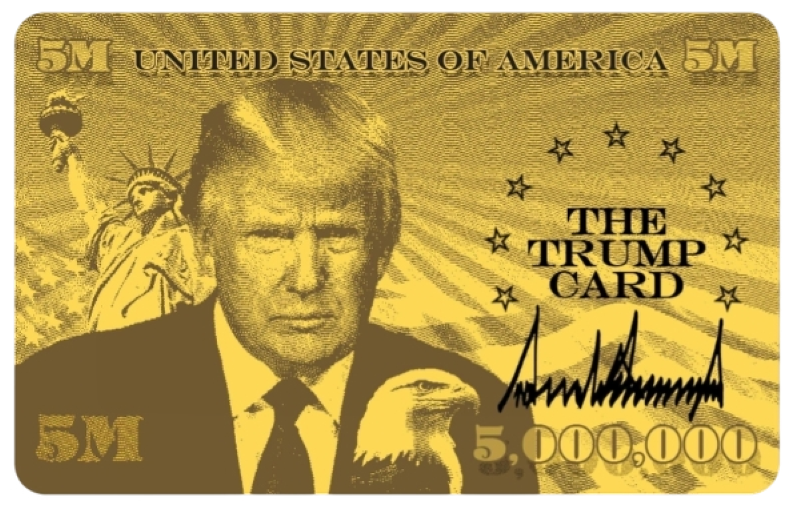
The website displays a gold card design featuring Trump’s face and signature alongside an eagle, the Statue of Liberty, and the American flag.

Lutnick emphasizes the aesthetic importance of the physical card, noting that it “will be made of gold” and “will be beautiful.”
The Commerce Secretary explains that Trump “appreciates these kinds of things” and “cares about how it looks” and “how it feels,” adding that the president “deeply cares about that, and thinks if you’re going to buy and make this investment in America, we should give you something that is beautiful.”
Lutnick believes the program will appeal to business leaders and companies seeking legal residency for executives or employees. An unnamed global technology chief executive told the Financial Times through a spokesperson that his group would seek to purchase over 100 cards if the scheme reaches fruition, viewing the initiative as a way to welcome “the world’s best and brightest to the United States, particularly entrepreneurs, engineers, and scientists.”
When the government first announced the Trump Card, Lutnick said it would replace the current EB-5 investor visa program, which granted approximately 14,000 visas last year. However, some experts think both programs may run in parallel.
The Commerce Department expects to issue tens of thousands of Trump Cards this summer, and Lutnick projects that 200,000 visas could generate one trillion dollars in Treasury revenue.
The concept originated with billionaire Trump donor John Paulson as a debt reduction mechanism for America’s 36 trillion dollar burden. Immigrant entrepreneurs comprise 23% of all American entrepreneurs and founded 46% of Fortune 500 companies, providing economic justification for targeting high-net-worth individuals.
Several prominent figures have endorsed the initiative. Mark Cuban has supported the concept if corporations purchase cards for high-earning employees.
Elon Musk was involved in developing the application software. WIRED reported in May that Trump Card infrastructure had already appeared live in US immigration systems, and Musk confirmed on social media that the program was in a “quiet trial” phase before public rollout.
The White House has yet to finalize crucial program details despite Lutnick’s earlier claims that the launch would occur within a fortnight. The design of special tax structures for Trump Card holders remains incomplete, and Trump has not decided whether citizens of particular countries would be excluded from applying.
Lutnick has actively promoted the program during international travel, including a May trip with the president to Saudi Arabia, Qatar, and the United Arab Emirates. In March, the Commerce Secretary claimed on the All-In podcast to have already “sold a thousand” cards for five billion dollars in a single day, a figure that appears less far-fetched given the current registration surge.
The Commerce Secretary concludes meetings with foreign dignitaries by pitching the Trump Card, explaining that “whenever I meet with international executives, I always go through it with them and sell it to them” before admitting “I can’t help myself.”
The program’s implementation timeline remains uncertain as departments of Homeland Security, State, and Commerce prepare to handle application vetting processes.
Trump has imposed travel bans on citizens from a dozen nations and reportedly considers expanding restrictions, potentially affecting program eligibility.