
In my last column, I wrote about how Latin America is shifting toward a capital-or-time environment, just as Europe did before it. Increasingly, you either invest or you spend substantial time in the country, both to qualify for residency and to retain it.
But Latin America is at a much earlier stage of that cycle, and a few unicorns remain. In fact, there are five: Permanent residency routes that require no investment, are easy to maintain, and in one case offer a fast track to citizenship. Paraguay used to be a sixth, until it tightened its rules.
Five years ago, I arrived in Paraguay and secured permanent residency within a matter of months, with no investment and no minimum stay. That route no longer exists, so Paraguay is the former unicorn.
It still has a lot going for it. Temporary residency and tax residency are both easy to pick up. The Investor Pass, meanwhile, grants permanent residency immediately with as little as a 30% deposit on a US$200,000 property.
The unicorns that remain require neither an investment nor your time. Just a few weeks ago, I secured permanent residency in Uruguay without investing, because I spotted an opportunity that I do not think will last long. Now a lot of investors are following suit.

Three tests
I call these unicorn residency programs because they meet three tests that very few programs anywhere in the world can pass:
- No investment required. You show income or savings, not a property purchase or a fund subscription.
- Permanent residency from day one. You skip the temporary stage, and with it the risk of a failed conversion.
- Easy to maintain. You can hold your status without living in the country.
Very few programs anywhere in the world meet all three. Latin America still has five.
The five unicorns
| Country | Route | Main requirement | To keep it |
|---|---|---|---|
| Uruguay | Legal residency | Proof of stable means; no investment | One visit every three years |
| Dominican Republic | Rentista or Pensionado | US$2,000/month passive income, or US$1,500/month pension | No minimum stay; citizenship eligibility after two years |
| Guatemala | Rentista or Pensionado | US$1,250/month foreign income, plus US$300 per dependent | Income re-verified every five years |
| Panama | Pensionado (pensioners only) | US$1,000/month lifetime pension | One visit every two years |
| Mexico | Economic solvency (retirees; rentistas at some consulates) | About US$7,400/month income, or about US$298,000 in savings | No minimum stay; the card never expires |
Uruguay
Uruguay is arguably the most stable country in South America and the 17th least corrupt in the world on Transparency International’s 2025 Corruption Perceptions Index. You can turn up, apply for permanent residency with no investment, show proof of economic means, and maintain it with one visit every three years.
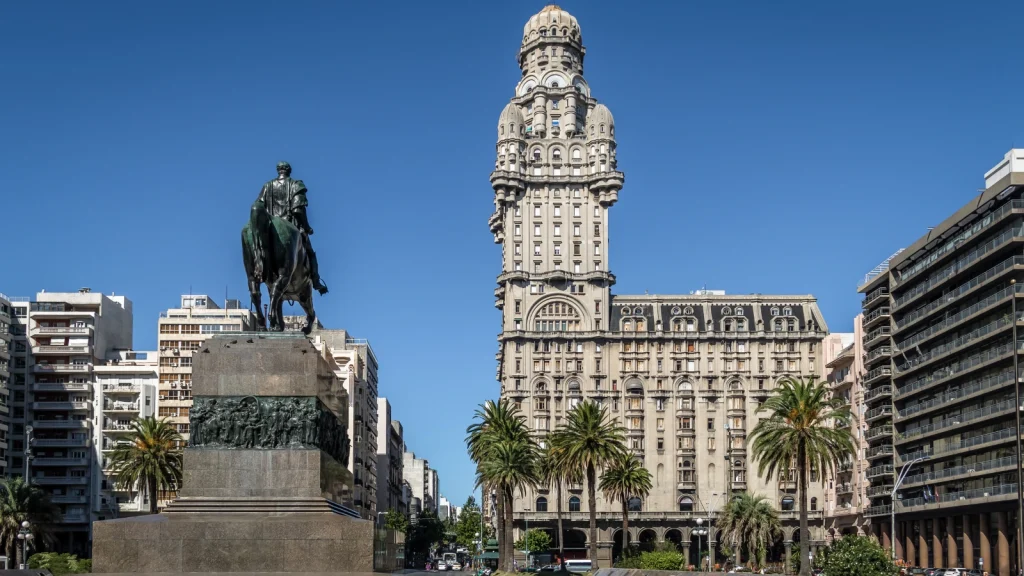
It is hard to believe, but I have done it myself recently. It is a no-brainer, and in my view it belongs on every Western and North American Plan B shortlist. If Uruguay launched a golden visa program at US$200,000 today, as Paraguay did, we would all be talking about it.
Dominican Republic
Show US$2,000 a month in passive income, or a US$1,500 monthly pension, and you receive permanent residency straight away. Permanent residents can apply to naturalize after two years.

The tax picture is also favorable: The system is largely territorial, taxing only foreign investment and financial income, starting in your third year of residence.
Guatemala
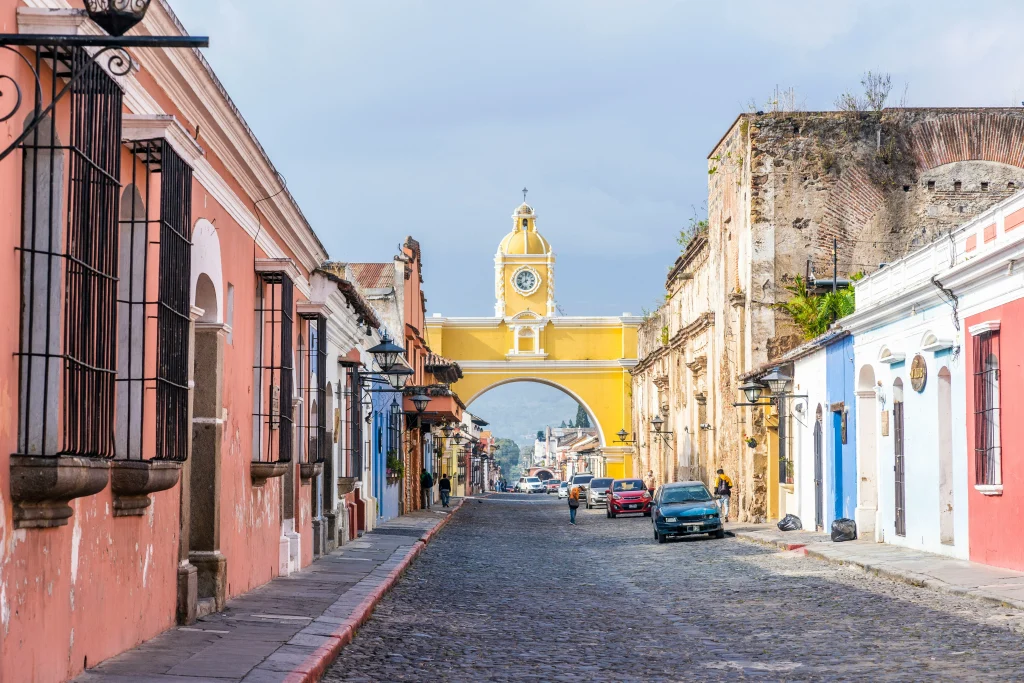
Show US$1,250 a month in foreign income, plus US$300 for each dependent, and Guatemala grants permanent residency directly. It re-verifies your income every five years. Guatemala does not tax foreign income either.
Panama
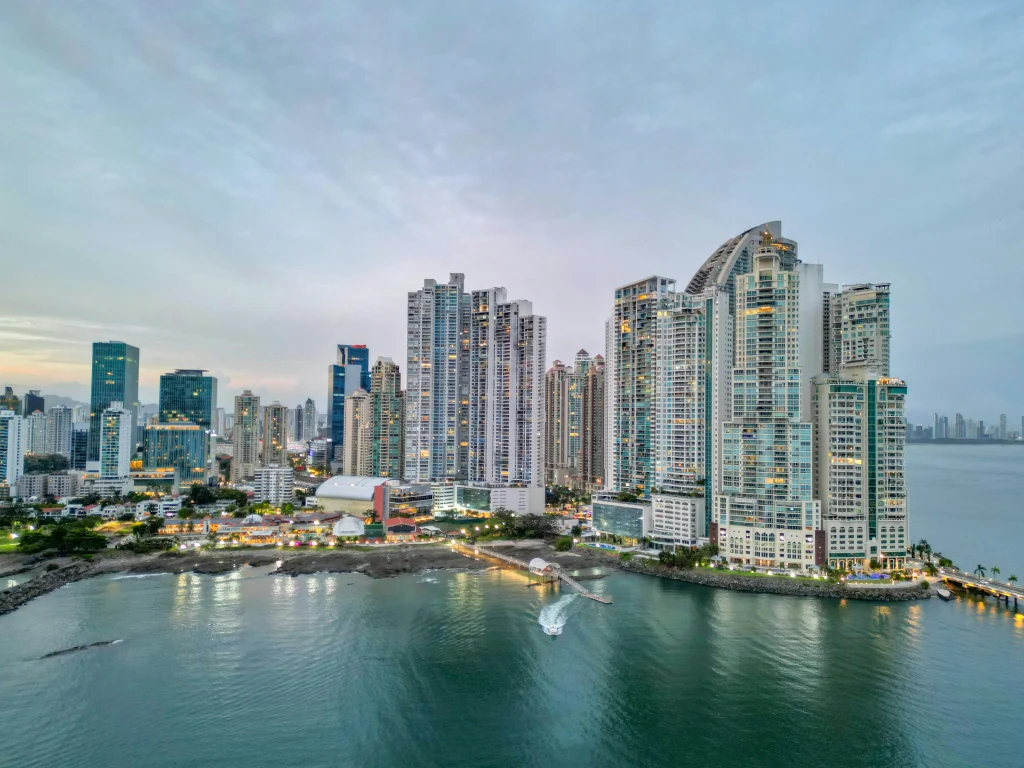
Panama’s Pensionado grants permanent residency from day one to anyone with a lifetime pension of US$1,000 a month, in one of the best-connected hubs in the Americas. Everyone else now needs an investment.
Mexico
Mexico grants permanent residency directly through economic solvency. In 2026, that means roughly US$7,400 a month in income or about US$298,000 in savings.
The bar is high, but it is a savings test rather than an investment. In principle, it is open to more than retirees: Rentistas living off investment income can qualify too.

The difficult part is the consulate: Mexico is unusual in how differently its consulates apply the same rules. Many now grant permanent residency right away only to applicants who are retired, even when non-retirees meet the financial threshold, and offer temporary residency instead. So the first step is finding a consulate, at home or nearby, that will handle a permanent residency application.
Once granted, the card never expires and has no minimum stay. Citizenship is possible after five years of residence, but you must genuinely live there toward the end: Absences in the final two years cannot exceed six months in total.
Thin margins
In my opinion, these programs get so little marketing because they require no investment and therefore generate extremely low margins. There is no property commission and no fund placement fee, which leaves little incentive to promote them on a large scale.
The value to investors is real, especially for those who want to relocate, and for advisors, there is a business case too. So few firms are willing to do this work that it becomes a quietly scalable niche.
The risks
The main risk is that governments change the terms. That is more likely to affect non-investment routes than investment programs. When people have put capital into a country under a given set of rules, it is far easier to argue that they invested on the basis of those rules.
Without an investment, there is always a risk that conditions change and you need to start spending time in the country to keep your status. Even in the worst case, though, you have spent nothing beyond your legal fees.
And in practice, permanent or indefinite residence usually does mean permanent. It is temporary residency routes that are at risk of cutting you short, as Paraguay has shown.
Paraguay’s precedent
I have seen this happen before: When I obtained my Paraguayan residency five years ago, it was just as easy as Uruguay is today. Now it is a two-stage process, with demonstrable economic activity required to go permanent unless you invest through the Investor Pass.
The same pressure is building across the region. As investors place more value on Latin American residency permits, governments are working out what those permits are worth and launching investor programs to capture that value. Programs that give permanent status away for free sit uneasily next to programs that charge for it.
Programs that give permanent status away for free are hard to justify next to programs that charge for it. Five years from now, I expect this list to be empty.