

Dominica has revoked the citizenship of Abolfazl Shamkhani, the younger son of slain Iranian political adviser Ali Shamkhani, according to a letter obtained by the Organized Crime and Corruption Reporting Project (OCCRP).
The revocation, dated March 27, 2026, and signed by State Minister Daren Pinard, accused Shamkhani of acquiring his Dominica citizenship by investment (CBI) through concealment of a material fact: His father’s role as a top political adviser to Iran’s late Supreme Leader, Ayatollah Ali Khamenei.
Shamkhani had obtained citizenship in 2020 under the alias “Sami Hayek.” He has 25 days from the date of the letter to request a formal inquiry into the order.
The brother fell first
Abolfazl’s older brother lost his passport first. Dominica revoked Hossein Shamkhani’s citizenship in August 2025, according to a separate letter also signed by Pinard, OCCRP reported. Hossein held a Dominican passport under the name “Hugo Hayek.”
By that point, Western enforcement agencies had already closed in. The US and the European Union sanctioned Hossein in July 2025, accusing him of running a multibillion-dollar oil-smuggling network that generated revenue for both Iran and Russia. Britain followed in August, citing support for Iran’s “hostile activity.”
OFAC described the family’s pattern bluntly: Foreign passports acquired through financial investment, used to move undetected and conceal connections to Iran while conducting business overseas. Ali Shamkhani, along with Khamenei and several other senior Iranian officials, was killed in US-Israeli airstrikes on February 28, according to Iran’s semi-official ILNA news agency.
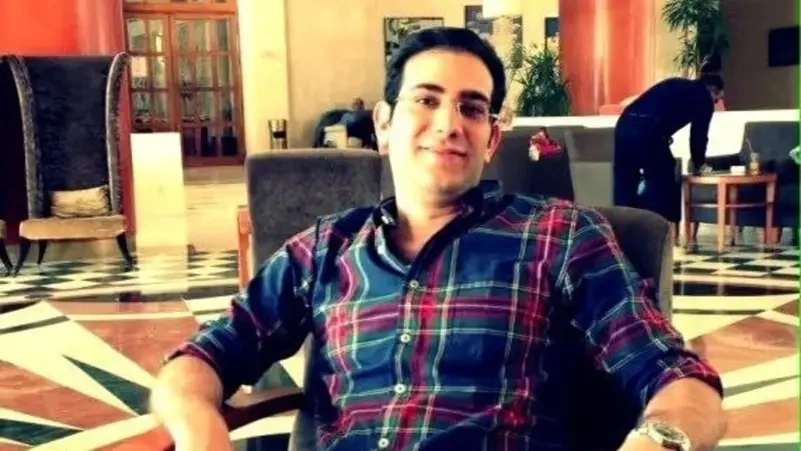
US$29 million in Dubai real estate under Caribbean aliases
A separate OCCRP investigation published in March exposed the scale of the brothers’ property holdings. UAE records showed they owned at least four luxury villas in Dubai, all held under their Dominican aliases.
Two neighboring villas in the exclusive Golf Place complex were purchased in July 2019 under their Iranian names before being quietly transferred to the “Hayek” identities at an unknown date. Subsequent purchases on Jumeirah Bay Island, an exclusive man-made development off Dubai’s coast, were made directly under the aliases in 2022.
The corporate trail extends beyond real estate. OCCRP found that “Sami Hayek” registered as a limited partner in a Cyprus-based investment vehicle, Saleya Fund RAIF LP, in November 2024. Both brothers appeared as founding shareholders of a Turkish firm, Green Energy Chemical Industries, that OFAC later sanctioned as part of its action against Hossein’s shipping network.
DOJ targets US$15.3 million
The US Department of Justice filed two civil forfeiture complaints in the District of Columbia on March 6, 2026, targeting more than US$15.3 million in funds allegedly linked to the Shamkhani network.
Of that total, approximately US$13 million was intended for Wellbred Capital and its subsidiary Wellbred Trading DMCC, two companies prosecutors described as fronts designed to obscure their ties to Shamkhani and Iran. A further US$2.4 million was destined for Sea Lead Shipping.
Abolfazl has not been personally sanctioned or criminally charged. US prosecutors allege in the forfeiture filings that he manages several firms connected to his brother’s network.
Neither brother responded to OCCRP’s requests for comment. In a previous statement to Bloomberg, Hossein denied owning oil companies and said he operates only in jurisdictions not under sanctions.
Dominica shuts the door on Iranian applicants
The individual revocations form part of a broader pattern of tightening. Days before Abolfazl’s citizenship was formally stripped, Dominica’s Citizenship by Investment Unit (CIU) suspended all new Iranian applications, effective March 24. Iranians can now apply only if they have not lived in Iran for at least ten years, hold no assets there, and have conducted no business with or in the country.
Those conditions mirror the restrictions Dominica applies to nationals of North Korea and Sudan. Before May 2022, Iranians faced identical restrictions; the government briefly eased them, then reimposed enhanced due diligence fees of up to US$70,000 for Iranian families of four in July 2023. The March 2026 suspension goes further, converting a cost barrier into a near-total ban.
Dominica has revoked 68 CBI passports since June 2024 for fraud or misrepresentation. Iraqis comprised the majority of those affected; Iranians accounted for 6%.
Dubai’s own crackdown adds another layer
The Shamkhani brothers’ Dubai holdings face a separate threat. In late March, unconfirmed reports emerged of the UAE revoking residence permits and golden visas held by Iranian nationals outside the country. By April 1, Emirates and flydubai updated their advisories to state that Iranian nationals are barred from entering or transiting the UAE, with narrow exemptions for golden visa holders and the immediate family of Emiratis.
Whether that exemption protects property held under aliases linked to sanctioned individuals is another question entirely. The UAE government has issued no official statement on the reported cancellations.
Dominica under sustained US pressure
Dominica’s CBI program faces its most concentrated period of external scrutiny. President Trump’s December 2025 proclamation imposed partial travel restrictions on Dominican nationals, citing the CBI program explicitly.
Washington froze immigrant visa processing for Dominica in January 2026 and then cut US visa validity for Dominican nationals from ten years to three months. The EU warned separately in December that operating a CBI program “in itself” constitutes grounds for visa suspension.
EU reports have specifically criticized Caribbean CBI jurisdictions for granting citizenship to Iranian nationals who subsequently changed their names. Dominica prohibited name changes within five years of CBI approval in its December 2023 regulations, but the Shamkhani brothers obtained their passports years before that rule took effect.



