Four designated agents under Vanuatu’s Citizenship by Investment Program (CIIP) face fraud allegations after the Citizenship Commission discovered they were submitting forged payment receipts to secure citizenship for clients, according to the Daily Post. Neither the government nor the Daily Post named the agents in question.
Police have executed search warrants at multiple properties, seizing fake government stamps and letterheads linked to the suspected operation.
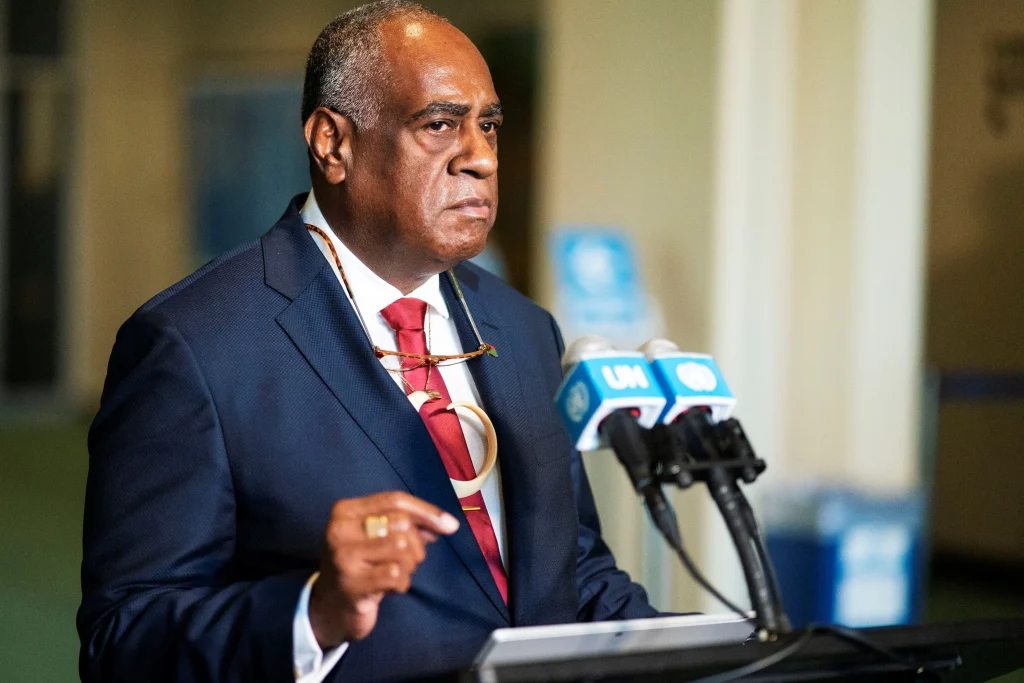
Prime Minister Jotham Napat disclosed details of the forgery during a parliamentary debate on the Citizenship Amendment Bill in late October.
One agent falsified receipts using the two-digit code ’26’ instead of the official government invoice code ’25’, according to Napat’s testimony to parliament.
Martin St Hilaire, Director at EC Holdings and ACJ Vanuatu, explained how the fraud worked. When agents settle citizenship payments with Vanuatu authorities, the Government Cashier issues an official receipt that agents must lodge with the Citizenship Commission as proof of payment.

“The suspicion is that some agents were creating fake receipts and so some citizenship might have been granted based on these counterfeit receipts,” St Hilaire noted.
Charles Maniel, Chairman of the Citizenship Commission, confirmed that investigators have issued search warrants for two of the four suspects. Authorities are preparing two additional warrants for the remaining agents.

One suspect, an Indian national operating under the name Vanuatu Sky, left the country before police could raid his residence, according to the Vanuatu Daily Post. Government sources told the Daily Post that he departed the week before investigators searched his home.
Authorities have also banned a Ni-Vanuatu citizen suspected of involvement from leaving Port Vila. Police searched his residence during last week’s raids.
St Hilaire does not expect that “the end client will be penalized unless the end client was part of the scheme.” He advises all marketing agents working with Vanuatu-designated agents to conduct thorough due diligence before choosing their local counterparts.

Hilaire says that clients who want to protect themselves need to make sure that their agent of choice identifies themselves clearly on official websites and maintains a professional reputation in international dealings.
St Hilaire believes “the investigation will eventually cover all agents” operating in the program.
Political Leverage
Napat is using the scandal to push his Citizenship Amendment Bill through parliament. The reform would require all agents to register with the Vanuatu Financial Services Commission as public companies and submit regular reports.
The amendment aims to establish full independence for the Citizenship Commission, removing it from direction or control by any other person. Napat raised concerns about reports of Members of Parliament threatening commission staff.
Opposition Leader Alatoi Ishmael Kalsakau argued that meaningful reform must prevent political interference from all sources, including the Prime Minister’s office.
Under the proposed changes, the Commission could set aside applications if the Financial Intelligence Unit reports adverse findings or if Immigration identifies an applicant as a Red Alert or Wanted Person under Interpol.
Vanuatu currently licenses 11 CIIP agents and 59 Development Support Program (DSP) agents. Fourteen of the DSP agents are inactive, and the government has collected nearly VT13 billion from both programs year to date.
Member of Parliament Jay Ngwele has also filed a separate police complaint alleging illegal sales of diplomatic passports, according to the Daily Post.