

James Nuveen
Medellín
We investment migration practitioners love to talk about passports like they’re power-ups.
Second citizenship? More freedom. Third? Even better. Optionality is the name of the game.
But here’s what we rarely admit: A passport is sometimes a leash. Sometimes, it’s a target on your back.
And in some cases, having more of them just means more ways to get screwed.

In a world trending toward punishing mobility, tracking wealth, and weaponizing identity, that shiny passport may just be your biggest liability.
Here are 13 ways a passport could ruin your life:
Government-Imposed Liabilities
1. Citizenship-Based Taxation (CBT)
The United States is the only major country that taxes its citizens no matter where they live.
Although the Trump administration has flirted with ending CBT (David Lesperance wrote an articulate article about the improbability of it happening), the trend is spreading.
Other countries like France, China, and India are actively debating whether CBT is a practical way to increase government revenue and pay off debt.

And it’s politically expedient to make the wealthy foot the bill anyway. Because who cares about those job-creating, wealth-generating, economy-stimulating high-net-worth individuals (HNWIs), right?
The wrong passport could mean a lifetime tax leash, regardless of whether you live, work, or even exist in your country of citizenship.
2. Military Conscription
You’re 35. Your parents endowed you with citizenship in a country with mandatory military conscription. Yet you haven’t lived there since you were a teenager.
But when that country enters a war they didn’t start, in a country you can’t point to on a map, you’re still eligible for the draft.
And if you ignore the call to arms, you might be barred from re-entry, or worse – arrested upon your next arrival. Try renouncing? Not until you “fulfill your duties.”
We’re not just talking about you here. If you have a son born abroad with your passport, he could be next.

3. Exit Bans
You thought your second passport was an escape route. But when the pressure comes, your government slams the door shut.
In Ukraine, men can’t leave the country. In Myanmar, “exit bans” are slapped on dissidents, businesspeople, and even foreign executives. In Belarus and Iran, some citizens are trapped as political pawns.
The truth is that you don’t own your freedom if you can’t leave. Many of us and our clients entered the investment migration industry because of what we saw just five years ago.
A passport can become a state-owned ankle bracelet overnight.
4. Dual Citizenship Bans or Revocations
Citizenship revocations aren’t just theoretical.
Indonesia, Singapore, and several other countries have strict dual citizenship bans. Indeed, Kuwait has revoked 12,000 citizenships from dual nationals in just the last eight months.
Sometimes, the revocation isn’t even due to fraud – it’s due to changing rules.
You’re forced to choose: The citizenship you were born with, or the one you bought to escape it.
5. Exit and Wealth Taxes
Want to leave your country of citizenship? That’ll cost you.
The US has an “exit tax” if you’ve chosen to renounce your citizenship when your assets exceed $2 million. In fact, the state of California levies its own exit tax. The Netherlands has tabled an exit tax as well.
Norway introduced a wealth tax and has lost an estimated 5,000 millionaires because of it.
These are taxes governments levy on the act of wanting to be free. This is financial punishment for disloyalty.
6. Sudden Travel Document Invalidation
You board an international flight. Immigration checks your passport. They say it’s invalid.
No warning. No appeal.
This is what’s happened to dozens of Russian citizens. To Iranian athletes. To Chinese journalists. Predominantly through no fault of their own.
Global Mobility Liabilities
7. Blanket Travel Bans
If your country of citizenship angers the wrong alliance or global power, suddenly you may not have the visa-free access you once had.
Afghanistan. Iran. Russia. Venezuela. North Korea. At this very moment, there were reports of a new travel ban draft list reportedly floating around the U.S. State Department. And although the U.S. denied such a list existed, it did confirm it was “reviewing” certain security issues with specific countries.
Even if you’re innocent, your passport isn’t deemed so.
Your travel mobility is at the whim of political leaders and governments worldwide.
8. Airport and Border Flagging
Some passports are risk-coded in airline and immigration systems. You get pulled into secondary screening. Missed flights. Unnecessary suspicion.
Middle Easterners know the drill. So do Nigerians. Even some Latin American nationals are profiled based on cartel connections or asylum trends.
With the “wrong” citizenship or passport, you become a walking red flag. Not because of what you did – but because of what others think your passport says you might do.
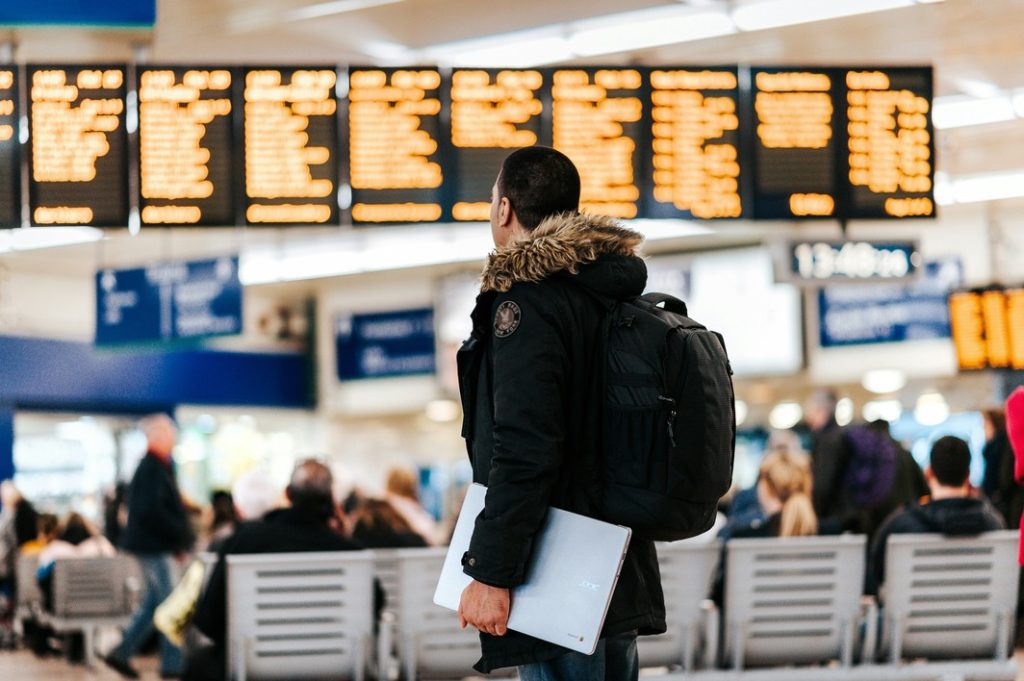
9. Visa Denials and Processing Discrimination
We’re all familiar with the extensive visa denials, high rejection rates, and documentation required for certain nationalities who want to meaningfully invest in a country.
In addition, while some cross borders illegally and are treated to a king’s welcome in their new countries, those who want to visit for a few days are treated like criminals.
If you have a passport from a country deemed unworthy, bureaucrats can put your life, business, family, and investment opportunities on hold.
Financial Liabilities
10. FATCA and CRS Fallout
FATCA (US) and CRS (OECD) weaponized the global banking system.
As American citizens know full well, international banks will often refuse to open accounts or close existing ones.
You could be wealthy, clean, and transparent about your source of funds. But because of your nationality, you’re considered a high compliance risk. Your investments and holdings worldwide could be subject to tax, privacy violations, and undue surveillance.
With the introduction of traceable, manipulable central bank digital currencies (CBDCs), this issue may only exacerbate. Your passport is a tag.
11. Mandatory Reporting Obligations
Some countries demand annual declarations of global income, transactions, real estate, bank accounts, crypto, and gifts.
You’re still expected to file and report no matter if you live in that country or not. Failure to do so could mean exorbitant fines, blacklists, or even criminal charges.
Multiply this across three or more passports, and you’ve built a bureaucratic nightmare.
Legal and Social Liabilities
12. Social or Political Stigma
As a passport holder from a certain country, you may not be just a citizen. You might also be a symbol.
Some passports make you a target. Quick test: What do you think of when I name the following countries?
- United States
- China
- Russia
Millions of people around the globe have a negative, generalized reputation because of what others have read on social media or watched in the news. And it affects how you’re treated, from airports and job interviews to dates and visa applications.
The world makes assumptions. Your passport can fuel them.

Strategic Risk
13. Diminishing Returns on Multiple Passports
Finally, many investment migration practitioners assume that with more passports comes more freedom.
But after three citizenships, you begin to see diminishing returns. Four or more? You may be stacking risk, not just passports.
Each passport brings potential:
- Tax complexity
- Military service obligations
- Exit restrictions
- Paperwork burdens
- Surveillance risk
Most investors and HNWIs need one or two strong mobility passports and perhaps one or two insurance plans. Anything more than that could become a liability stack for the 13 reasons I discussed above.
