

Barbados House Passes Investor Residence Bill With a Fast Lane to Citizenship
The route runs through government-designated development projects, and citizenship can follow after 360 days on the island.
The route runs through government-designated development projects, and citizenship can follow after 360 days on the island.

Non-EU investor residency routes stay unchanged, while EU nationals swap investment-based permits for EU rights rationed by quota.

Foreign specialists on Kazakhstan’s professions list can apply for permanent residence without proof of financial solvency. A draft order would more than triple that list, though the new list is not yet on the government portal.
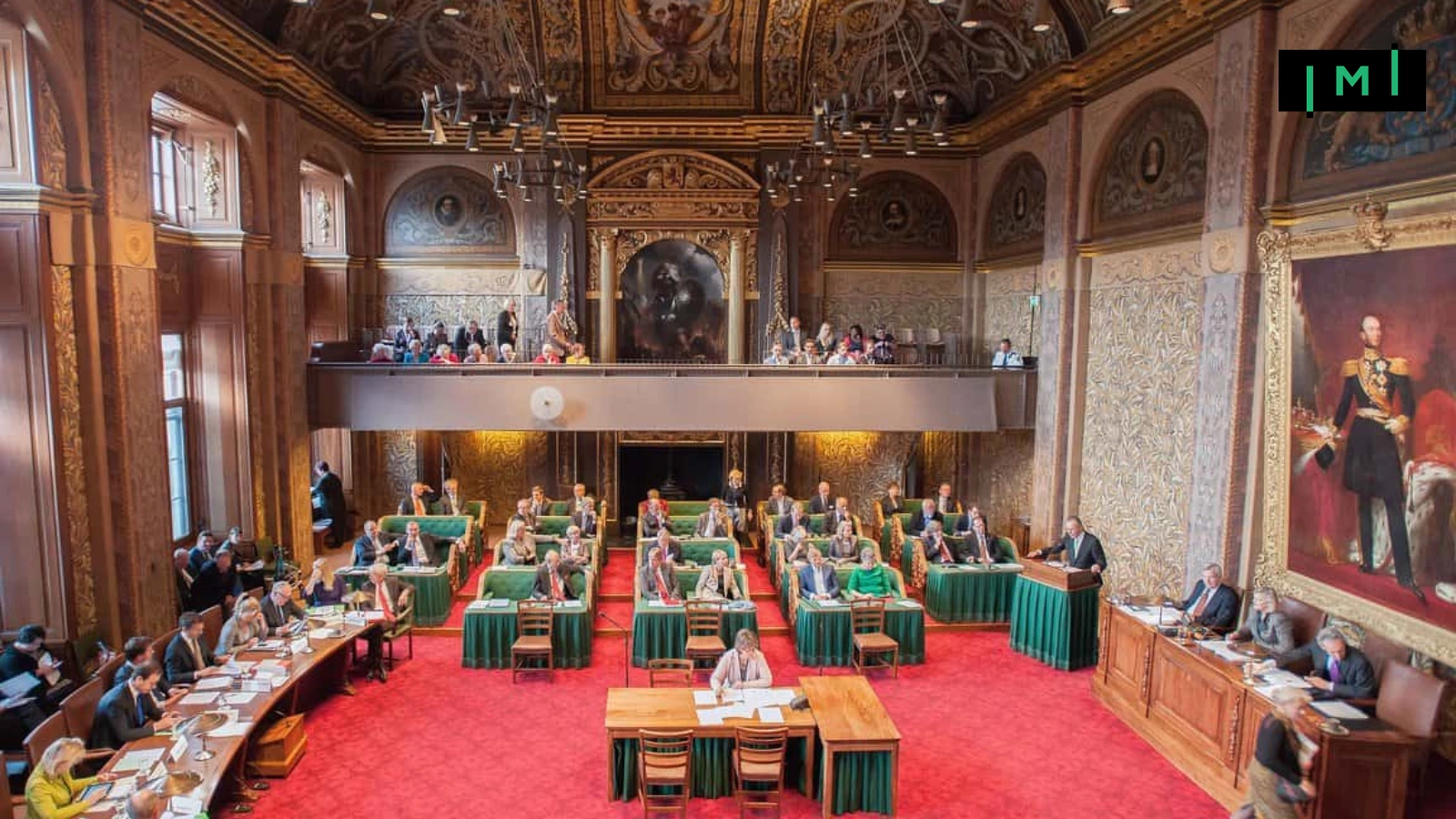
Dutch investors keep the notional-return system until at least 2029 while the government drafts a tax charged only at the point of sale.

Beijing codifies its power to keep citizens home. Lesperance says wealthy Chinese are leaving “before they get the knock on the door.”

Skopje removes the price tag but keeps the product: discretionary passports for “special interest” individuals remain on the table.
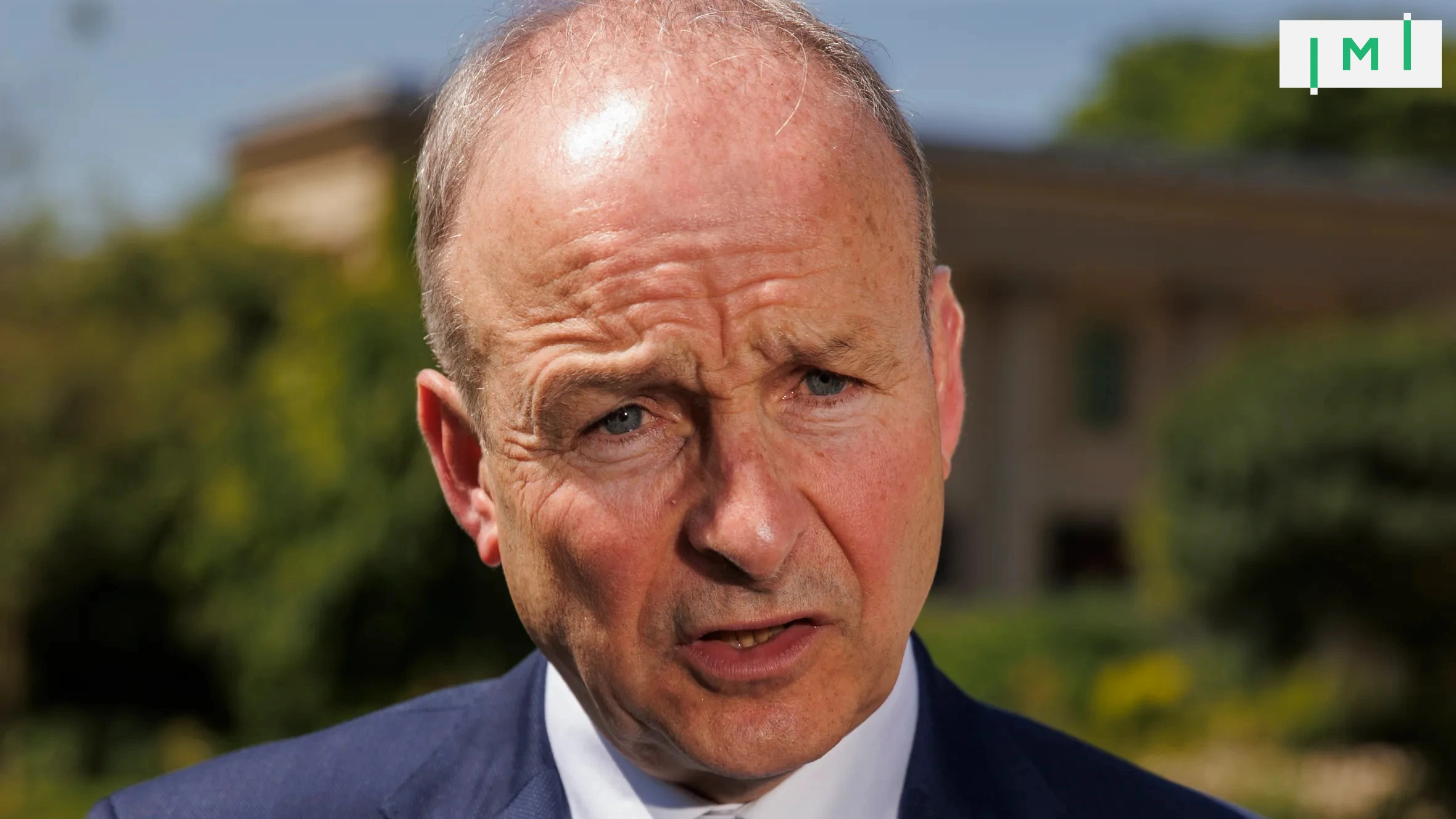
Eight years would place Ireland above the five-year figure used by Germany, France, the Netherlands, Portugal and Luxembourg. The Justice Minister confirms that applicants four years into the current five-year clock will face the higher bar.

“Such socialist regulations may rather trigger more HNWIs to leave the EU than foreign banks to open [local] offices,” warns Philippe May.

Applicants investing $5 million can also qualify if they create substantial local jobs; a pending directive will set the exact quotas.

The stock route gets 50% pricier, tilting the program decisively toward active business; approvals average 85 a year against a 500 cap.

The government explicitly barred franchises at launch. Seven months and “a single approval” later, it is changing course.

Starting January 2028, the Netherlands is set to require that residents pay tax on paper profits they have not yet cashed in, pending Senate approval.

Armenia unveils a no‑stay, five‑year investor fast track, retires “special passports,” and, as Astghik Pepanyan says, enters “uncharted territory.”

Japan plans to hike the visa’s financial requirement to 30 million yen following the recent arrest of a visa holder accused of facilitating fraudulent applications.

St Kitts joins Hong Kong in recognizing digital assets as wealth proof but requires additional verification protocols and due diligence fees.

Facing 60% revenue free-fall, St Kitts launches aggressive CIP rescue plan: lower real estate investments and expanded dependent rules.

“Recent data showed no adverse effect from restricted countries,” Bastien Trelcat notes as Thailand Elite Visa lifts ban on 28 nationalities.

New USCIS policy details three types of sanctions and discretionary determinations for noncompliance in the EB-5 program.

Malaysia unveils new MM2h regulations, removes PR pathway, adjusts investment amounts, and issues updated license renewal criteria.

The Cypriot Parliament is debating the introduction of a new residency program requiring a €250,000 property investment and a €40,000 income.