
While most of the investment migration world spent June in ballrooms, Prime Developments took its guests up a hill.
The Investment Gateway Summit ran June 17 to 20, co-hosted by the Government of St. Kitts and Nevis and the Citizenship Unit. Prime Developments served as Platinum Sponsor of the third edition, and spent the week doing what most sponsors cannot: Showing people a multi-million-dollar project already coming out of the ground.
The Prime Creative Arts Centre broke ground on January 9, 2026. Twelve acres in the hills above Basseterre, overlooking the island’s aquifer, with excavation running at scale through the summer.
That distinction carries more weight than it sounds. Caribbean citizenship by investment (CBI) has a long history of projects that photographed beautifully and never got built.
The Question Nobody Asks at Citizenship Conferences
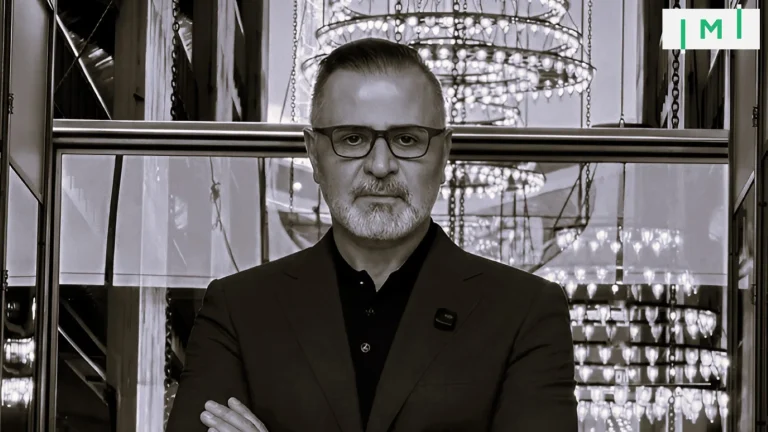
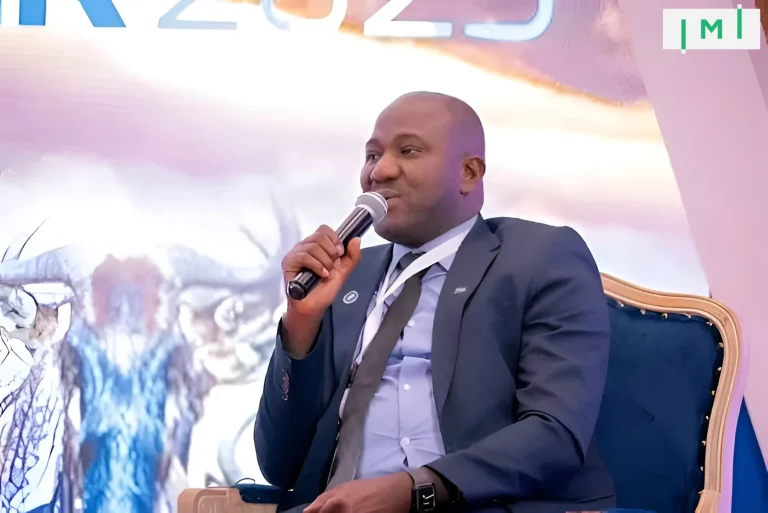
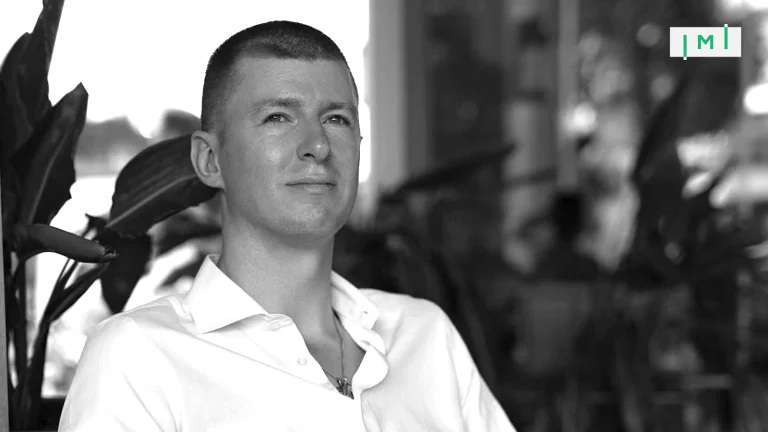
Somewhere across four days of panels, Dr. Sirous Motevassel was asked how ordinary Kittitians actually build wealth from foreign capital.
He did not reach for a jobs number. The centre, according to Motevassel, came out of at least two years of research and outside specialist advisory before anyone drew a line on paper, informed by the firm’s work on the island since 2006.
The intention was never employment alone but “a type of ecosystem that we create for sustainable opportunity for the people,” running from pre-construction through operations and continuing long past handover. The brief was to build somewhere a young Kittitian with talent could turn that talent into a career.
On hiring, he was blunt about sequence. “Our priority is locals, then the region.”

What Investors Are Funding
Three buildings anchor the complex. An indoor auditorium seats 1,200 for concerts, theatre, and national ceremonies, while a technical and education building houses professional recording studios, dance rehearsal halls, music production facilities, and classrooms.
The third combines co-working space, artisan workshops, a music library, and dining. Around them sits a market block where craftspeople work in view of visitors.
The centrepiece is an open-air amphitheatre shaped after the island’s volcano, built to hold 3,200 seated, with another 800 standing near the stage. Volcanic stone quarried on the island runs through the construction.
Prime Developments has built here before. Imperial Bay Residences, 84 one-bedroom apartments with pool and leisure facilities at Half Moon Bay, has been operational since 2015.
Where the Government Stands
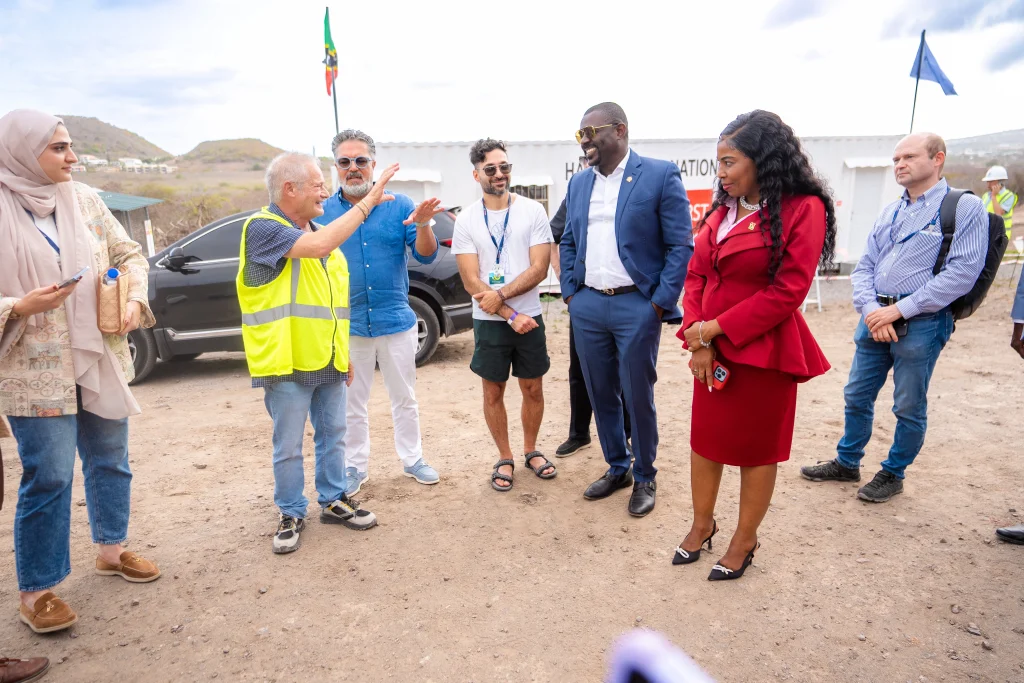
In late June, Prime Minister Dr. Terrance Drew and Citizenship Unit Executive Chairman H.E. Calvin St. Juste walked the site to review progress following mobilisation. A steering committee now oversees the build.
Creative Economy Minister Samal Duggins told journalists in July that the project is “moving along quite rapidly and on time,” crediting the reporting discipline behind it.
The Auction Told the Same Story
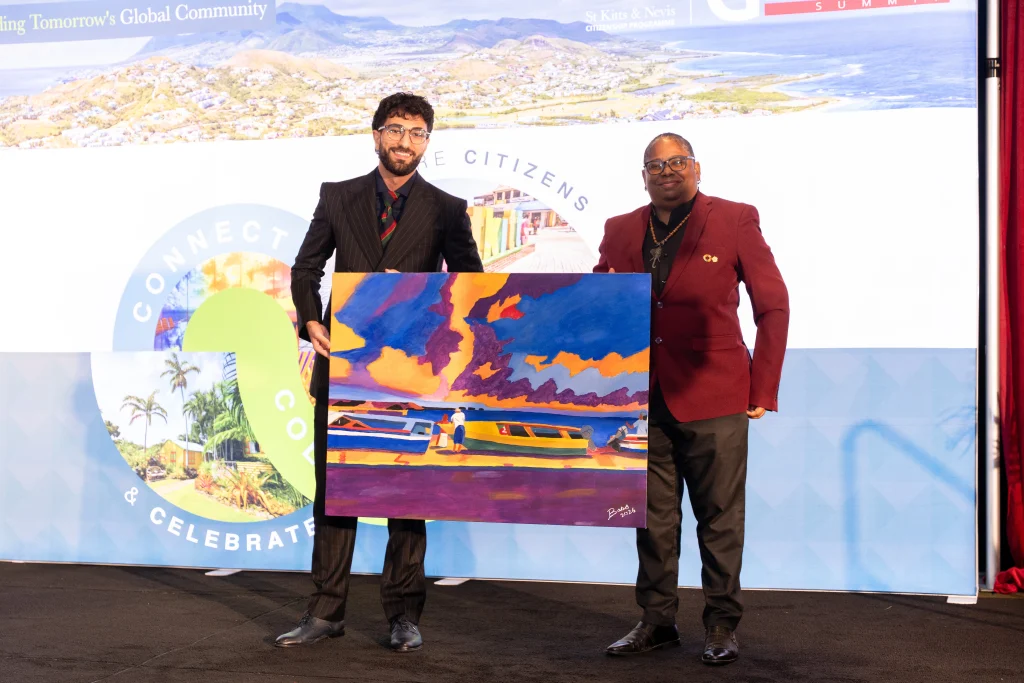
Summit week closed with a Gala Night, and its silent auction raised funds for Cotton Thomas Comprehensive School. Prime Developments placed the winning bid on a work of art.
Read past the hospitality, and the gesture is coherent. A firm building the island’s new home for the arts put its own money behind a local artist and a local school in the same evening.
That is what cultural patronage looks like when it is not a line in a brochure. Its arts centre is the thesis at the scale of a building; the winning bid is the same thesis at the scale of a single canvas.
For a developer whose entire investment case rests on local goodwill, these are not soft gestures. They are how a project earns the standing that keeps a citizenship program defensible over a decade, and they signal to an investor that the firm’s commitment to the island’s culture is something it pays for, not something it advertises.
How Investors Participate
The Public Benefit Option (PBO) requires that each main applicant contribute a minimum of US$250,000 into a unit of an Approved Public Benefit Project, paid to the Approved Public Benefactor, plus government fees. The Citizenship by Investment Unit (CIU) normally advises within 120 days of acknowledging a submission whether an application is approved in principle, denied, or delayed for cause.
Each main applicant sits an interview, virtual or in person. Dependents aged 16 and over may be called as well.
What the investor receives is clean by design. No deed, no timeshare, no maintenance schedule, no exit to manage, and no developer balance sheet standing between the contribution and the citizenship.
Whether the PBO or an asset-backed route fits a particular family depends on where funds originate, how many dependents are included, and how the applicant’s home country treats a second nationality afterward. A second passport does not change an investor’s existing tax obligations at home.
Those are conversations worth having before an application is filed.
Prime Developments can walk you through the Basseterre site the way the Prime Minister saw it, and through the option that fits your family. Learn more via the Prime Developments website.