Italy Introduces “Genuine Link” Limitations on Citizenship by Descent
Marco Mesina explores how Italy’s new law ends automatic citizenship for distant descendants without real ties to the country.

17 countries inside the European Economic Area offer EU citizenship to grandchildren, great-grandchildren, or sometimes even more distant descendants of European citizens.
Because citizenship in one EEA/Single Market country grants the right to live and work in all of them, these citizenships consistently rank among the world's most desirable.
Tens (potentially hundreds) of millions of non-Europeans qualify for citizenship by descent. We've assembled a complete list, as well as an interactive map, of which European (EEA/Single Market) countries offer citizenship by ancestry.
For the purposes of this overview, we'll ignore the various citizenship by ancestral persecution solutions, such as the ones that apply to people descending from those stripped of citizenship in Nazi-controlled Germany and Austria or from Sephardic Jews in Spain and Portugal.
Note also that while Norway, Iceland, Switzerland, and Liechtenstein are not EU member countries, they are part of the Single Market and their citizens therefore have the same settlement rights across Europe as citizens of fully-fledged EU member states. In any case, none of those four countries offer citizenship by descent to those who are not immediate descendants of citizens.
The list to your right will tell you which countries currently offer citizenship by descent, along with a link to the source where you can find more information on eligibility requirements, exemptions, processing times, and so on.
Outside of Europe itself, descendants of European citizens are overwhelmingly concentrated in the Americas. While there are certainly considerable numbers of European descendants living in Africa and Asia (not to mention Oceania, where the preponderance of inhabitants have European ancestry), the largest groups - in absolute terms - are found in North, Central, and South America.
In 2016, in the United States, 133 million Americans (41% of the population) reported they were of European ancestry. That number, however, includes only those who had first-hand knowledge of their European ancestry (or cared to report it): Some 244 million Americans (72%) of the population, self-identified as "White or Caucasian", many of whom simply consider themselves "Americans", rather than, for example, Irish-Americans or German-Americans.
In Latin America, moreover, an estimated 32-40% of the population (179-220 million people) are of European descent, and nearly half of them live in Brazil.
All told, more than half a billion people outside of Europe have some claim to European ancestry. Not all of those will be able to prove it, of course. Fewer still will be able to demonstrate they have a European ancestor only two or three generations removed.
A number of European countries, however, don't place a particular generational limit on citizenship eligibility through ancestry. If you can convincingly argue, through your evidence, that your ancestor was Hungarian, for example, there is - at least hypothetically - no limit on how many generations back you can go.
If you'd like to find a law firm that specializes in assisting with the often complex procedure of applying for citizenship by descent in one of the above European countries, you may reach out to the editor on cn@imidaily.com to request an introduction.
| Country | Citizenship by Ancestry Eligibility | Further Information | |
|---|---|---|---|
| Austria | 1st generation only | ||
| Belgium | 1st generation only | ||
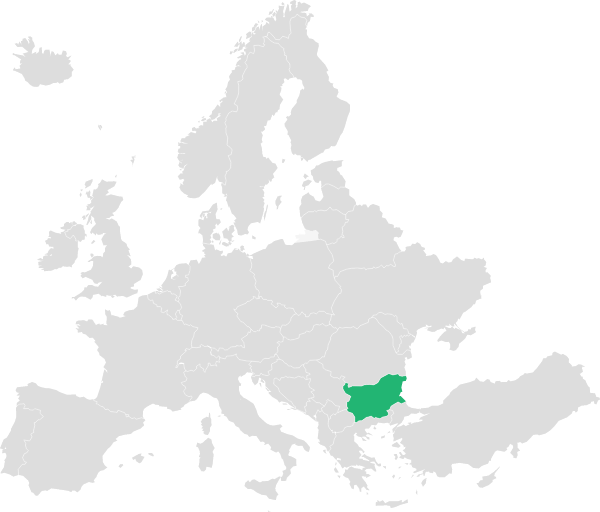
| Bulgaria | 3rd generation or earlier | How to qualify for Bulgarian citizenship by descent | |
| Croatia | 2nd generation | ||
| Cyprus | 1st generation only | ||
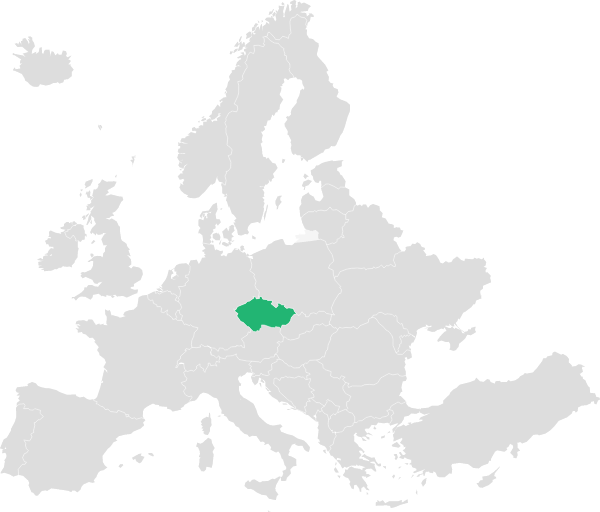
| Czech Rep. | 2nd generation | How to qualify for Czech citizenship by descent | |
| Denmark | 1st generation only | ||
| Estonia | 1st generation only | ||
| Finland | 1st generation only | ||
| France | 1st generation only | ||
| Germany | 3rd generation or earlier | ||
| Greece | 2nd generation | ||
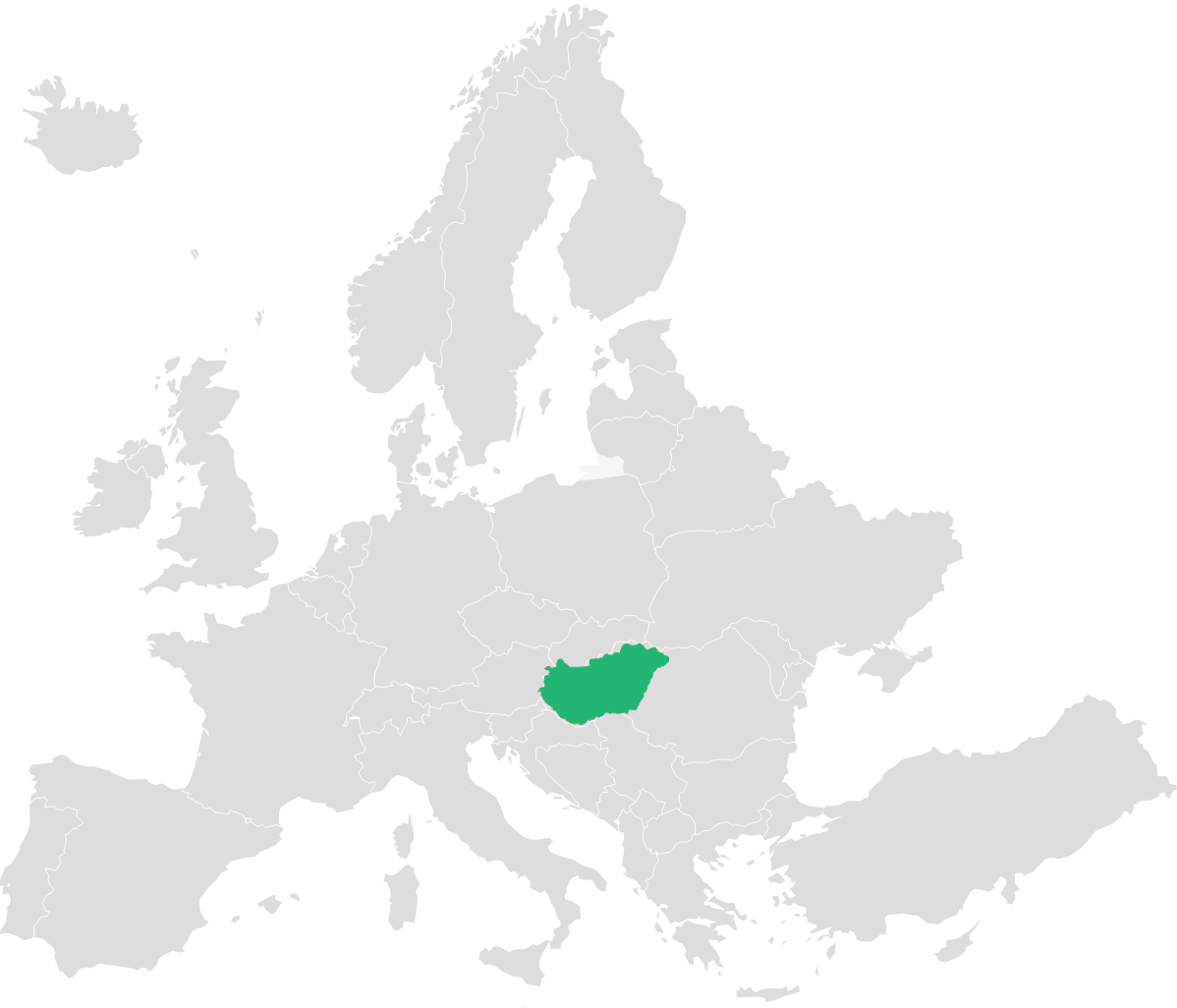
| Hungary | 3rd generation or earlier | How to qualify for Hungarian citizenship by descent | |
| Iceland | 1st generation only | ||
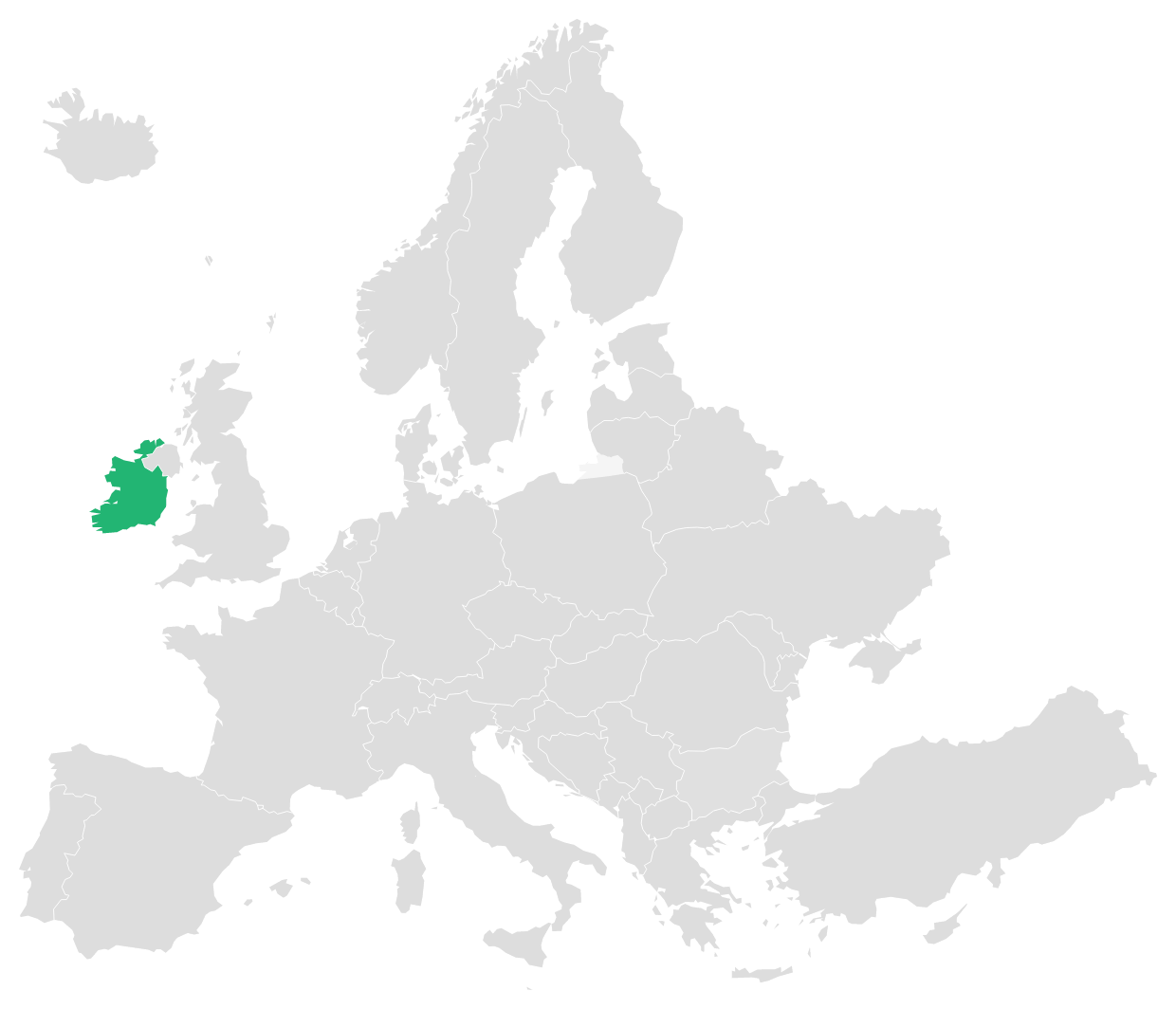
| Ireland | 2nd generation | How to qualify for Irish citizenship by descent | |
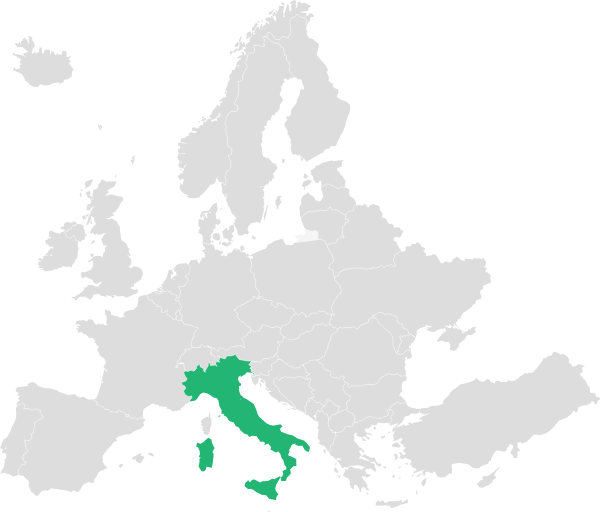
| Italy | 3rd generation or earlier | How to qualify for Italian citizenship by descent | |
| Latvia | 3rd generation or earlier | How to qualify for Latvian citizenship by descent | |
| Liechtenstein | 1st generation only | ||
| Lithuania | 3rd generation or earlier | ||
| Luxembourg | 3rd generation or earlier | ||
| Malta | 3rd generation or earlier | How to qualify for Maltese citizenship by descent | |
| Netherlands | 1st generation only | ||
| Norway | 1st generation only | ||
| Poland | 3rd generation or earlier | How to qualify for Polish citizenship by descent | |
| Portugal | 2nd generation | How to qualify for Portuguese citizenship by descent | |
| Romania | 2nd generation | ||
| Slovakia | 3rd generation or earlier | How to qualify for Slovak citizenship by descent | |
| Slovenia | 2nd generation | ||
| Spain | 2nd generation | ||
| Sweden | 1st generation only | ||
| Switzerland | 1st generation only |
Section 15 of Bulgaria’s citizenship act allows for the granting of citizenship by descent to those who can prove they are of Bulgarian origin, with no particular limit on the number of generations that may have passed. This means you can naturalize as a Bulgarian even if several generations of your ancestors have not held citizenship, if you are able to prove that at least one ancestor did.
Since September 2019, Czechia has allowed the descendants of former Czech and Czechoslovak citizens to the second generation (grandchildren) to claim citizenship by descent, thanks to Section 31(3) of an amendment to the Act on the Citizenship of the Czech Republic. Former citizens have been allowed to claim their lost Czech or Czechoslovak citizenship since 2014.
Since amending its nationality law in 2010 to allow for the naturalization of foreign citizens of Hungarian descent without the need for a residency period or mastery of Hungarian language, Hungary has approved more than a million citizenship by descent applications. Up to 5.5 million worldwide, and close to 2 million in North America alone, are potentially eligible.
One in ten Americans, some 33 million people, as well as a further 40 million people globally, claim Irish ancestry. Ireland allows those who have at least one Irish grandparent born in Ireland to obtain Irish citizenship by descent. Millions of people have already claimed Irish citizenship on the basis of ancestry, most of the either English or Americans.
Italy will grant citizenship to those who can demonstrate Italian ancestry, practically no matter how far back. From Buenos Aires to Boston, tens of millions are likely eligible. Though estimates are rough and vary considerably between sources, even a conservative count pegs the magnitude of the Italian Diaspora at some 83 million people worldwide today.
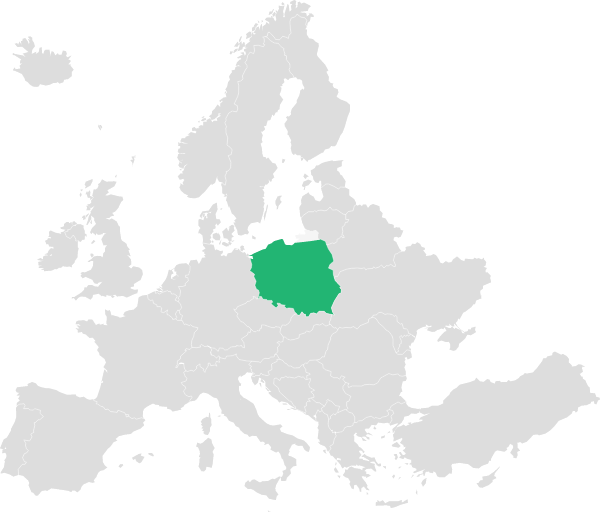
Poland offers citizenship by descent to those who can demonstrate they have ancestors who were Polish citizens at or after the founding of the Second Polish Republic in 1919. The country’s citizenship law places no generational limits on eligibility. An estimated 10-20 million people worldwide potentially qualify if they are able to demonstrate their Polish lineage.
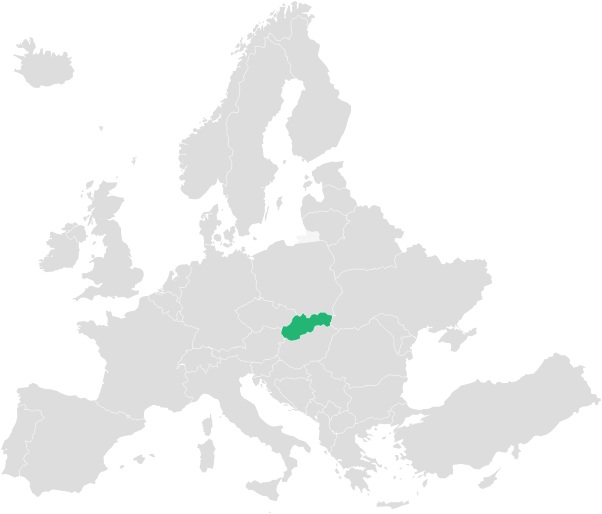
More than 800,000 Slovak descendants live in the US alone and are potentially eligible for EU citizenship through their great-grandparents. Those with ancestors born in former Czechoslovakia on what is today the territory of the Slovak Republic are eligible for naturalization in Slovakia and, by extension, full EU citizenship, with settlement rights in 27 countries.
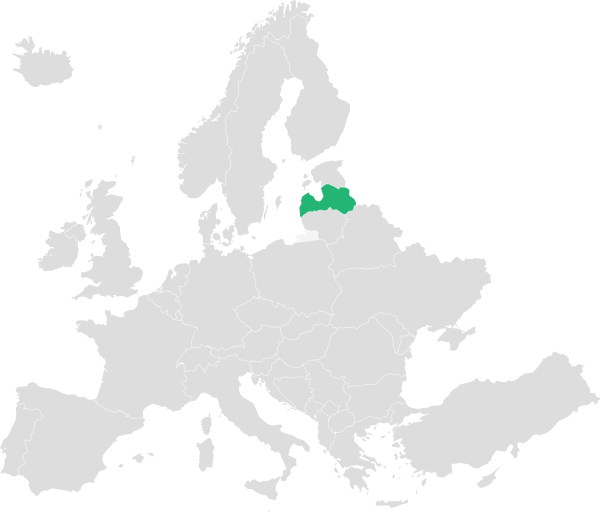
Those belonging to the Latvian or Liv ethnic groups, as well as descendants of those exiled from Latvia by war, are eligible to apply for Latvian citizenship by descent. In practice, Latvian citizenship law allows for a broad range of ways to qualify. There are no specified generational limits, which means that even if you have only very distant Latvian ancestors, you may still qualify.
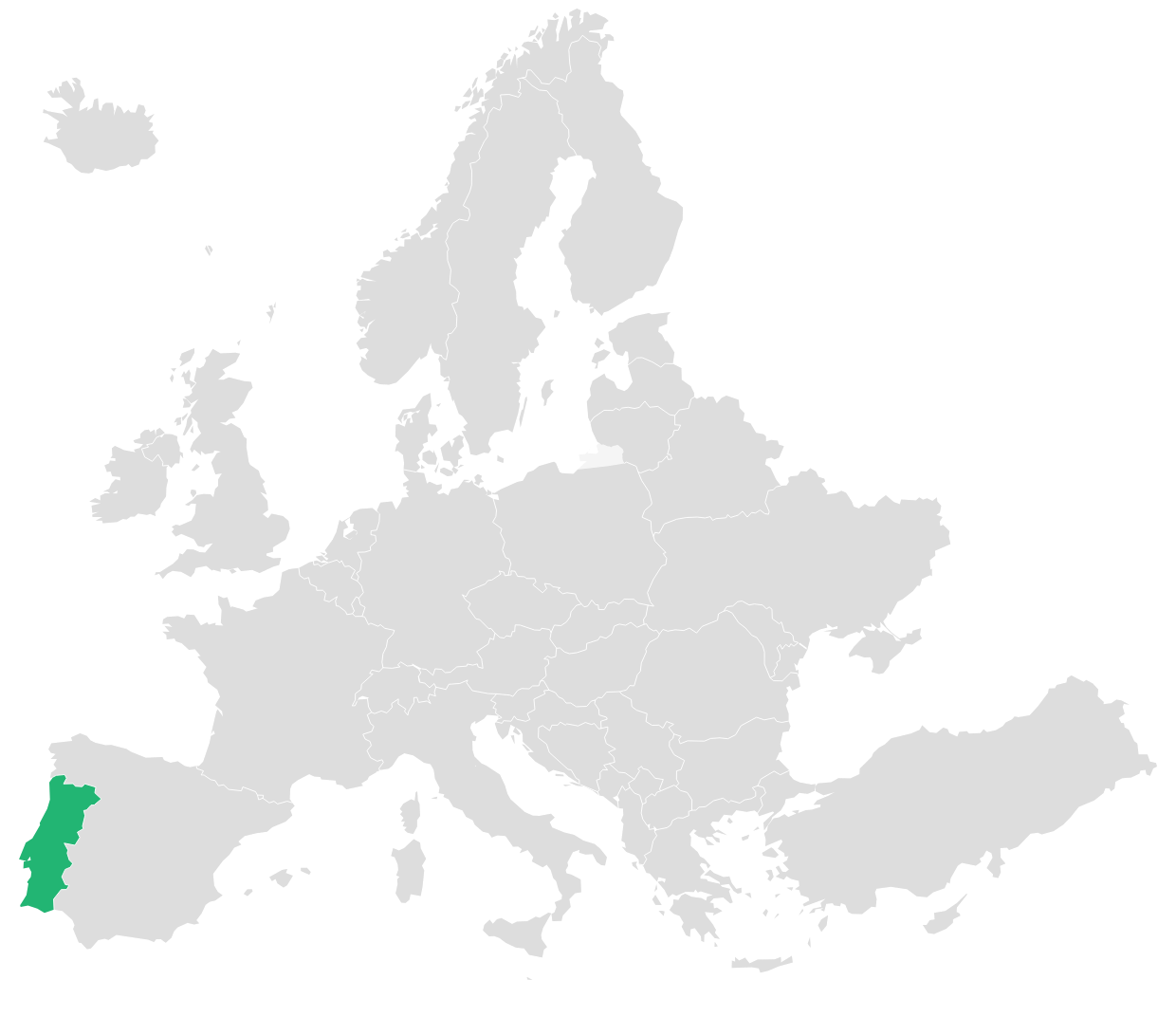
Portugal offers citizenship to those who can prove they have at least one Portuguese grandparent. An estimated six million people outside of Europe are eligible. Among these, at least five million live in Brazil, while others are concentrated in the United States, Venezuela, Canada, and Chile.
If you think you may be eligible for ancestry-based citizenship, why not ask a specialist? Find out what the requirements are, whether you qualify, and how to get started.
Tell us a little about your situation and what you need so that we may put you in touch with the right advisors.

Marco Mesina explores how Italy’s new law ends automatic citizenship for distant descendants without real ties to the country.

What makes a citizenship valuable? James Nuveen analyzes why the Irish passport is the world’s most coveted travel document.

Italy will no longer allow foreign-born descendants of Italian emigrants to inherit citizenship unless they can prove a recent genuine link.

From Russia’s “anti-woke” visa and El Salvador’s “free passports” to Caribbean CBI revocations, these were IMI’s most-read stories in 2024.

This digest includes new digital nomad visas in Central Asia, Italy revising its CBD guidelines, St Kitts waiving China apostille rules

Is your last name Borg, Camilleri, Vella, Farrugia, or Zammit? If so, chances are good you qualify for Maltese (and European Union) citizenship.

CBI isn’t the only way to get a new citizenship fast. James Nuveen outlines the six ways to qualify for another citizenship within two years.
Benin government proposes law to grant three-year passport with route to citizenship for individuals of African descent.
Immigration lawyer Nerses Isajanyan explains everything you need to know about how and why to claim your Armenian citizenship by descent.

Ana Sofia Lamares explains how millions of people worldwide can proceed to claim Portuguese citizenship through their grandparents.

Citizenship by descent policies are more valuable than ever, but the process is more complex than most think, writes Patrick McFawn.

Globally, hundreds of millions of people have a great grandparent from an EU country. Too few of them are picking up citizenships for free.