
The Rise of the Invisible Wall: Why the “Strongest Passport” is No Longer Enough
Algorithmic border systems are quietly reshaping global mobility; passport rankings fail to capture the risk.

Algorithmic border systems are quietly reshaping global mobility; passport rankings fail to capture the risk.

Of 2.9 million BNO citizens, over two million don’t hold a valid passport. Many may not know they have this citizenship at all.

Fernando Ferreira argues that institutional investors’ fixation on track records may be costing them the best returns in venture capital.

Slava Apel argues the SUV’s flaws killed it, but Canada’s entrepreneur immigration model is being rebuilt, not abandoned.

Kemal Nicholson: When external actors can blacklist your country overnight, citizenship programs face a choice they can’t ignore.
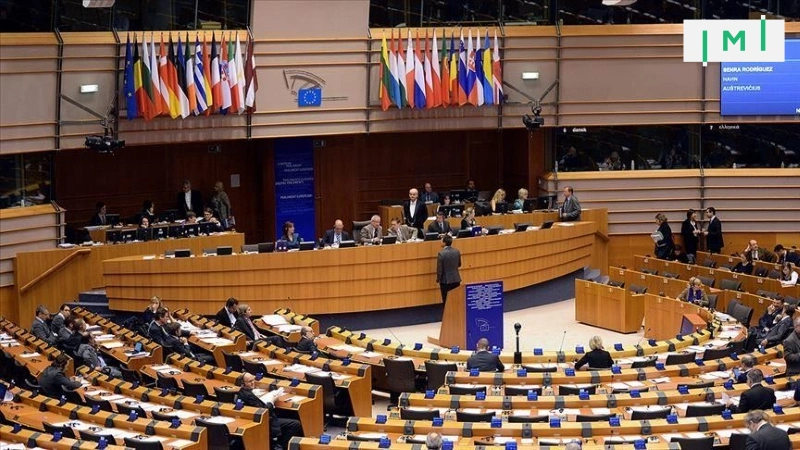
Europe sacrificed innovation for regulation and lost everything, writes Jimmy Sexton. Can it recover?

Charlie Maggi explores investment migration’s new baseline: CBI programs packaged with European access as clients demand layered mobility.

Nisha Mc Intyre: Constantinople’s fall sparked the Renaissance. Could US immigration restrictions trigger Caribbean rebirth?

In this analysis, Daisy Polanco Jiménez examines Dominican residency beyond headlines, hype, and shortcuts.

Philippe May says “SVG will set a new standard,” predicting its new CIP will outperform those of its more established Caribbean counterparts.

“Chile has the reputation and stability. What’s missing is action,” writes María Esperanza Schorr Donoso.

The message from Rome is clear: You can still buy certainty, but it’ll cost more. Italy’s flat tax overhaul is less about politics and more about arithmetic.

Federico Salmoiraghi ponders whether the government’s proposal to link investment to the flat tax regime would work.

Fitch has lifted Italy’s credit rating to BBB+, highlighting fiscal progress, policy continuity, and market confidence.

Alaattin Kilic writes that lead generation alone no longer drives results for RCBI firms when product-market fit and clear messaging are absent.

Jean-Francois Harvey sees the potential EU visa requirement as a manageable change, not a threat to Caribbean investment programs.

Alaattin Kilic argues that investment migration firms must abandon all-or-nothing packages to build sustainable client pipelines.

Ruslan Kosarenko argues that the UK’s immigration framework creates a policy paradox, courting entrepreneurs while blocking entry.

What do EB-5 regional centers actually do? Christina Tabacco explains their role in structuring, compliance, and capital flow.

Jimmy Sexton argues that U.S. tax hikes won’t drive millionaires away because expatriation costs more than staying put.