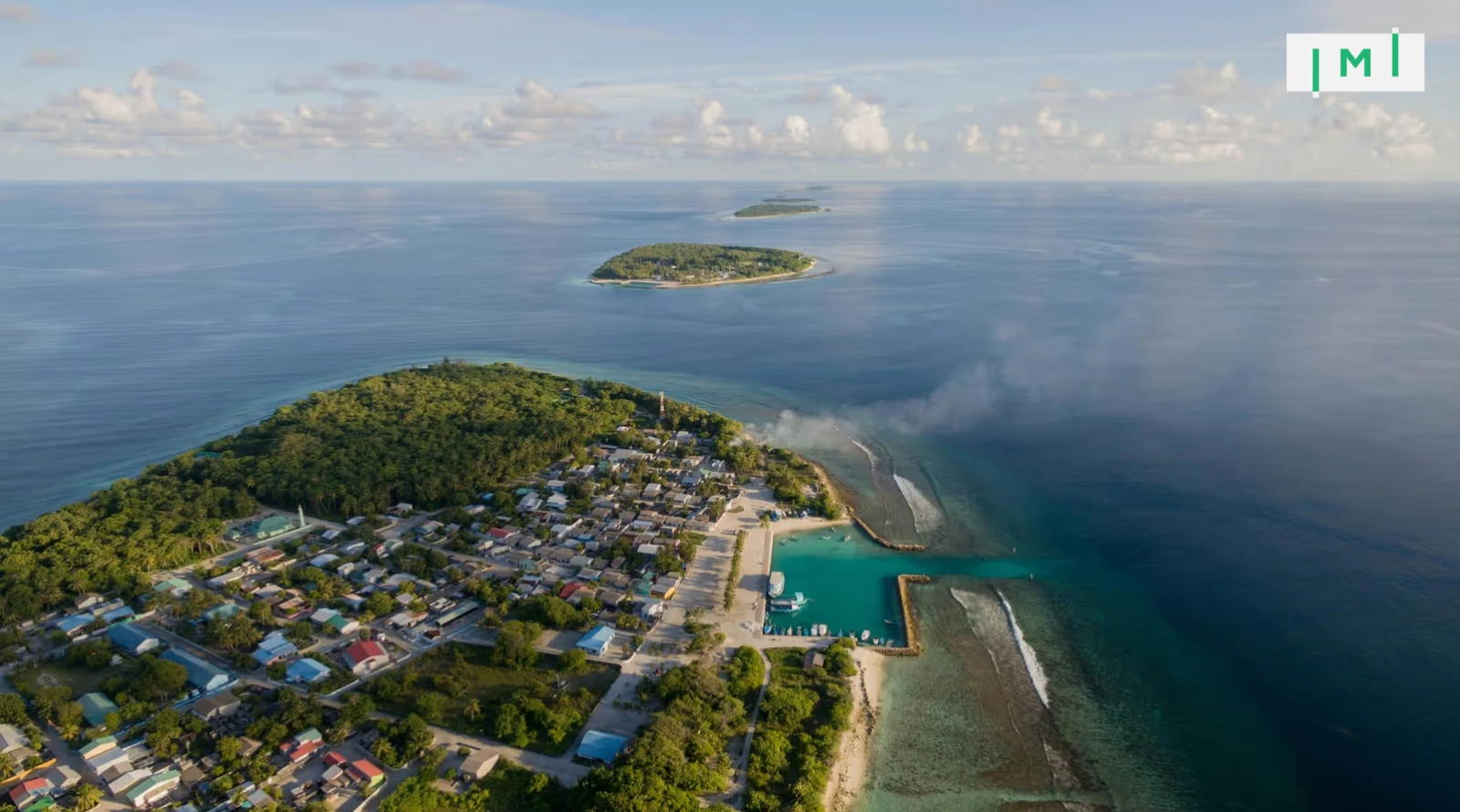
Nauru Defends Citizenship Program Following UK Visa Restriction
Nauru challenges the UK’s decision, emphasizes robust screening, and signals a diplomatic push to restore visa-free travel.

Nauru challenges the UK’s decision, emphasizes robust screening, and signals a diplomatic push to restore visa-free travel.

As Tonga’s parliament prepares to choose a new leader Monday, a leaked CBI proposal has reopened old wounds.

We lack confidence in the legitimacy of any vetting processes.” UK revokes Nauru’s visa-free access over CBI program.

Wellington delays the NZ$5 million real estate carve-out until 2026; experts split on whether it’s “mostly noise.”

Chinese applicants dominated MM2H approvals, followed by South Koreans, Japanese, Bangladeshis and Britons.
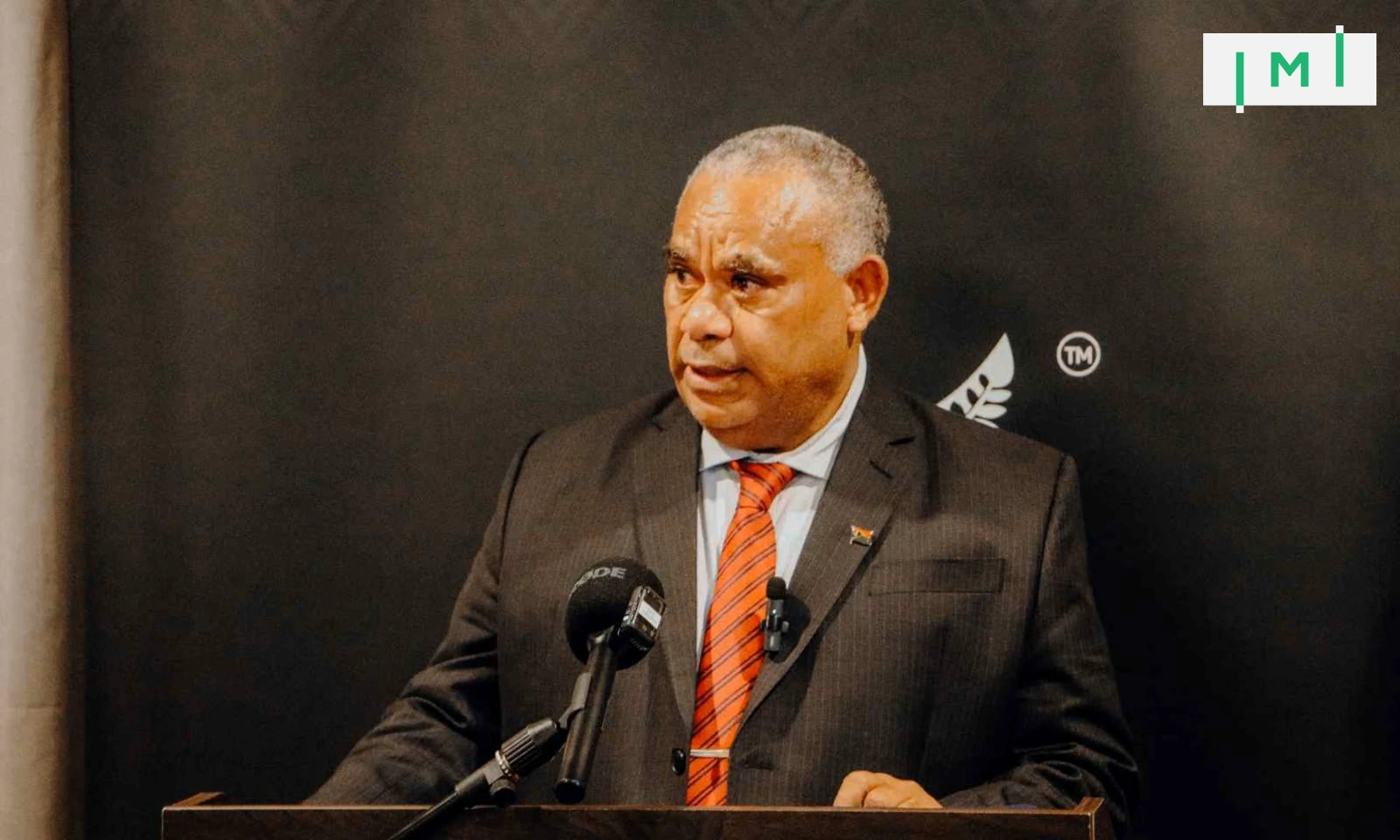
An Indian agent fled Vanuatu before raids as police investigate four CIIP agents for forging payment receipts.

New security protocols require international background checks and intelligence screening for all MM2H applicants.

Chamber proposes SAT$2M threshold tied to creating 15 skilled jobs or 50 total positions depending on sector.
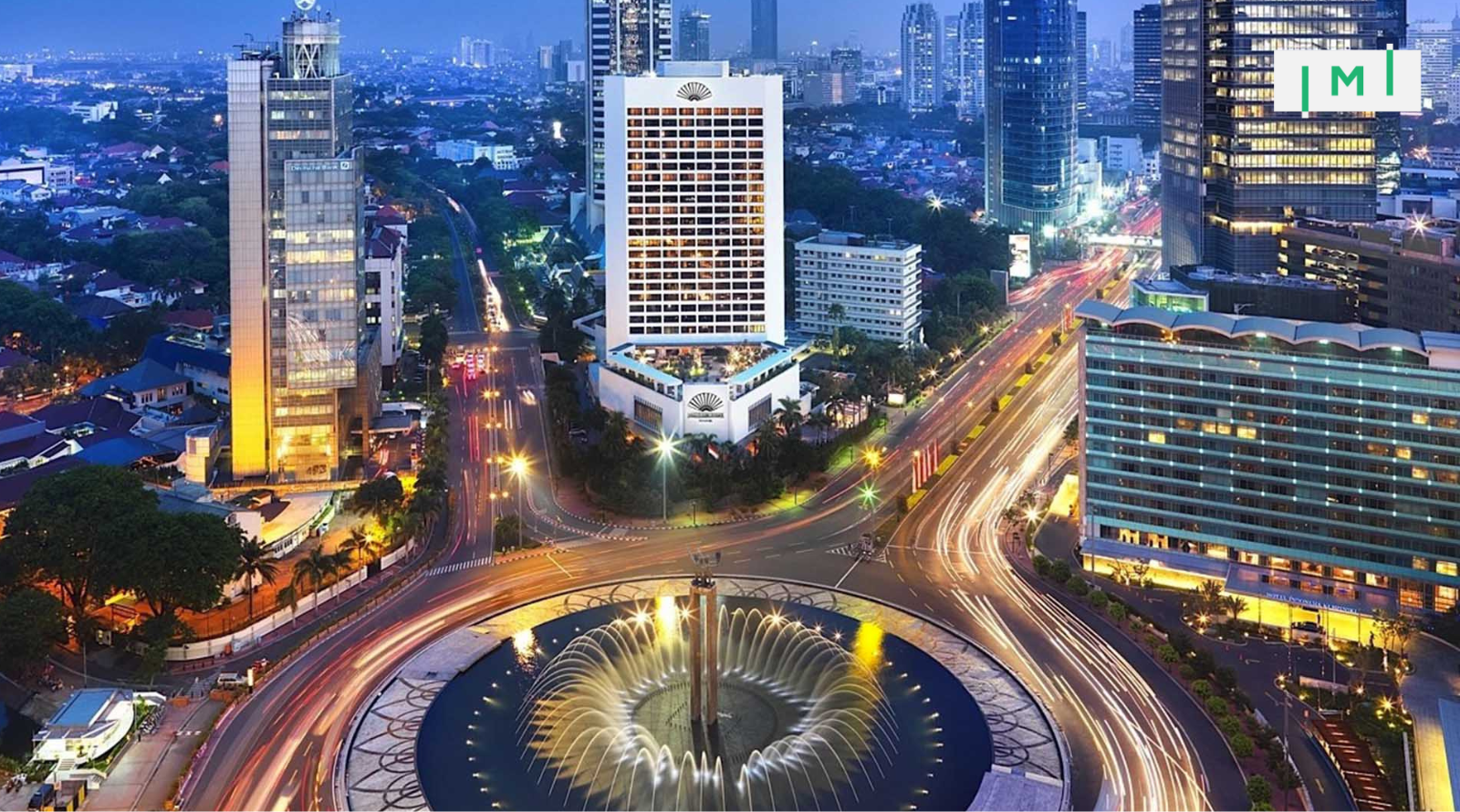
Since July 2024, Indonesia has issued over 1,000 golden visa permits to investors from 61 countries, with corporate investors spearheading demand.

Hong Kong slashes HK$20 million (US$2.6 million) from the residential property threshold; Stephen Barnes calls it “tinkering at the edges.”

CIES applications jumped 51% in three months, reaching 1,900 by August with HK$58B in the pipeline, tracking toward 2,400-2,800 annually.

Malaysia roundup: MM2H fraud case, Sabah opens streamlined processing center, and government highlights billions from foreign residents.
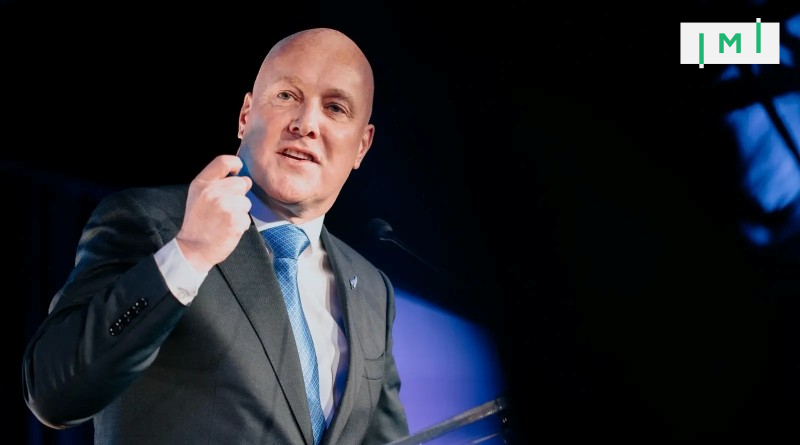
While some experts see the policy correcting a “fundamental flaw,” others argue it’s “no game changer” that won’t significantly boost demand.
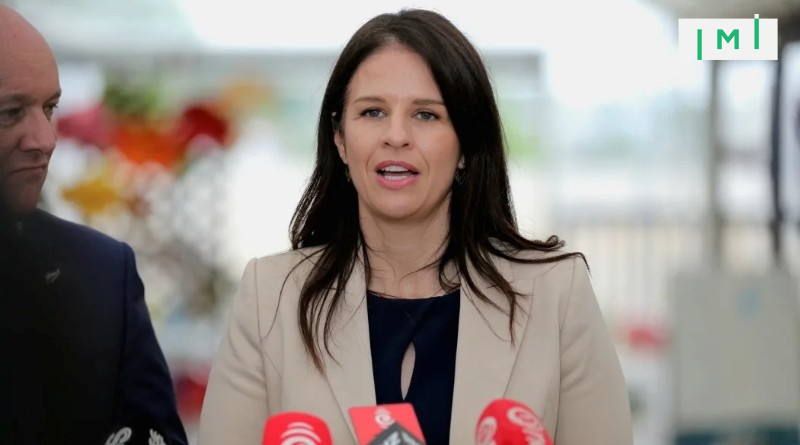
The new Business Investor Visa has two investment options, one of which provides a fast track to permanent residency within 12 months.

Korea introduces residency rules for foreign buyers, reflecting a wider trend of nations tightening property access.
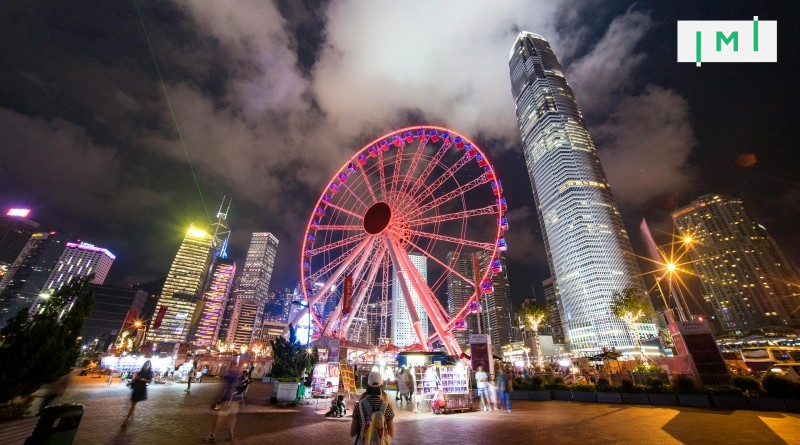
Hong Kong’s CIES hits HK$52B pipeline, but Stephen Barnes calls it “optics, not economics” for the city’s real economy.

New Zealand may relax its foreign buyer ban, in place since 2018, but experts doubt it will significantly boost demand for investor visas.

Japan plans to hike the visa’s financial requirement to 30 million yen following the recent arrest of a visa holder accused of facilitating fraudulent applications.

Following its 2024 overhaul, MM2H posted an 84% boost in inflows, including RM237 million in property and RM597 million in deposits.
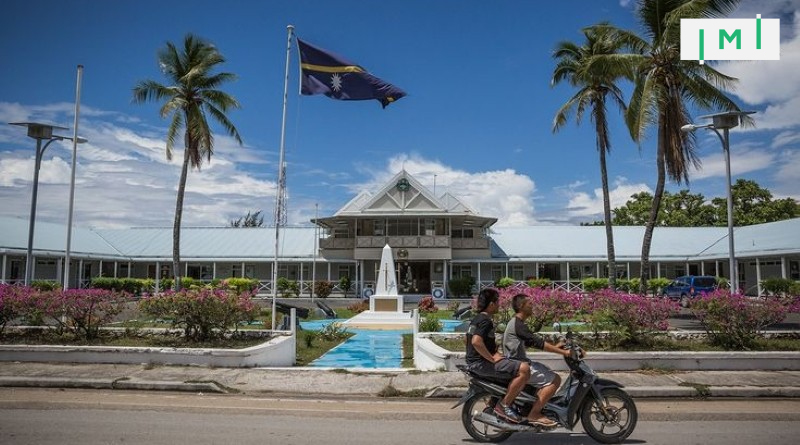
Nauru CIU CEO Edward Clark confirmed that 20 applications are already in the pipeline, while agents have 20 more approaching submission.