While some experts see the policy correcting a “fundamental flaw,” others argue it’s “no game changer” that won’t significantly boost demand.
New Zealand will allow overseas investors holding Active Investor Plus Visas to purchase residential properties valued at NZ$5 million or above, creating the first exception to foreign buyer restrictions implemented in 2018. The change takes effect when the government enacts amendments to the Overseas Investment Act later this year.
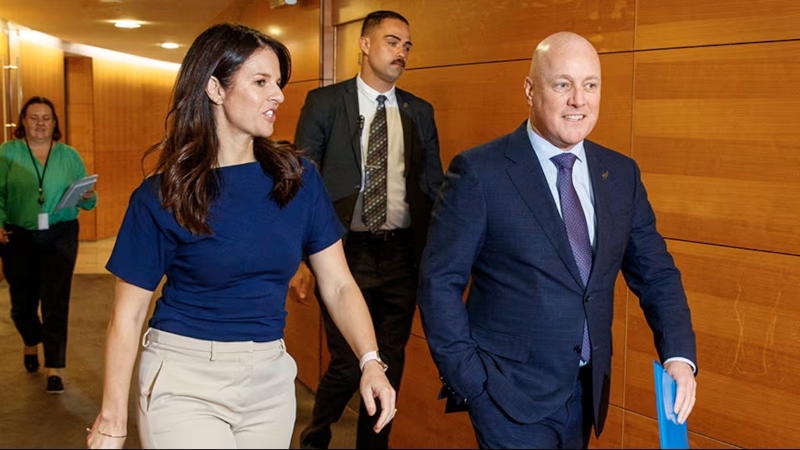
Prime Minister Christopher Luxon announced the policy modification would apply to investors committing either NZ$5 million over three years or NZ$10 million over five years through the restructured residency program. The exemption permits visa holders to buy or build one home above the specified threshold.
“This change navigates a path between those who do not want foreign ownership opened up, and the desire to attract high net worth investors by deepening their connection to our country to help grow the economy,” Luxon stated.
The Prime Minister emphasized New Zealand’s competitive position for global capital, noting that investors face choice among “195 countries all competing for your money and your ideas.”

“A Fundamental Flaw in the Current System”
The policy addresses what industry practitioners characterize as a structural contradiction in New Zealand’s investment framework. James Hall, CEO of ANZ Migrate, describes the change as correcting “a fundamental flaw in the current system” where “we invite investors placing millions into the New Zealand economy, but they can’t purchase a home unless they’re physically residing here.”
He argues it “seemed absurd that investors placing NZ$5-10 million into our economy couldn’t buy a family home.”
The restriction affects a minimal portion of New Zealand’s housing market. Properties exceeding NZ$5 million represent less than 1% of the nation’s housing stock, totaling approximately 7,000 homes. Annual sales in this segment typically number 350 properties.
Hall argues this “NZ$5 million threshold targets high-end luxury properties that won’t disrupt the main housing market while encouraging a connection to the country through home ownership.”
Immigration New Zealand has received 308 applications for the Active Investor Plus Visa since its relaunch, covering approximately 1,000 individuals. The applications represent a potential minimum investment of NZ$1.9 billion. American nationals comprise 40% of applicants, with Chinese citizens forming the second-largest group.
The original foreign buyer ban emerged from what Jeremy Savory, CEO of Savory & Partners, characterizes as investment activity “mainly driven by a lot of Chinese, and just general everyone taking advantage of low interest rates to bulk up on any asset that would inflate.”
Former Prime Minister Jacinda Ardern implemented the policy in 2018 amid public anxiety over housing affordability, though foreign buyers represented only 2% to 3.5% of property sales before the restrictions.
Industry observers express divergent views on the policy’s potential impact. Philippe May, CEO of EC Holdings, contends that “the fact that New Zealand had a ban on foreign buyers will certainly deter some investors. You cannot just lift such a ban and expect everything to be back to normal. Your reputation is affected.”
May suggests a limited impact on New Zealand’s competitive position relative to established destinations. “How many of them will now choose New Zealand over Australia or Canada? There will be an uptick in New Zealand for sure, but not a shift,” he notes.
He acknowledges that “the price tag is rather high anyway. And there is no lack of residency by investment programs. New Zealand does have some unique selling propositions due to its geographic location, climate, etc.”
He says there are people for whom “New Zealand is just the right fit, who find Australia too hot, Uruguay too far away, Monaco too cramped, and the USA overtaxed. But it’s no game changer, no other destination needs to worry that New Zealand will eat its cake.”
Hall presents a more optimistic assessment, arguing the modification could “transform how investors view New Zealand” by “shifting from seeing it as a distant backup plan to considering it as a potential home.”
“Finding the Balance”
Savory observes that the timing highlights contrasting global approaches to wealthy investor attraction. While New Zealand opens its doors to wealthy investors, “the UK is talking about changing stamp duty, wealth taxes, inheritance taxes, and driving away wealthy foreigners.”
He notes this reflects cyclical patterns in residency markets, citing how “Portugal brought tons of investment coming in, and at some point it might go the opposite direction with driving people away because it’s just too much. It’s about finding the balance.”
New Zealand’s economy contracted in the second half of 2024 and remained weak through early 2025. The government has introduced multiple measures to attract foreign investment, including streamlined visa processes and reduced regulatory barriers. The country also faces ongoing population outflows to Australia, creating additional pressure for economic stimulus measures.
“Opening Our Door Just a Little”
Hall suggests the policy change could foster deeper engagement beyond traditional insurance-oriented residency patterns. He says that “many global investors maintain New Zealand residency as insurance, but this change could develop deeper engagement”.
He argues that “when you can establish proper roots through home ownership, New Zealand starts feeling less like an exit strategy and more like a genuine lifestyle choice.”
However, May contends the change represents “no game changer” for competing destinations, particularly noting “the effect on countries offering direct citizenship is zero.”
Luxon described the policy as balancing economic growth objectives against public concerns about foreign ownership. “By opening our door just a little to allow significant investors to own a home, we will help attract more of those who want to contribute to the community and country,” he said.