
New Zealand will let Growth category applicants under the Active Investor Plus visa count Build to Rent developments toward their NZ$5 million (approximately US$2.9 million) commitment from December 2026. Immigration Minister Erica Stanford, Housing Minister Chris Bishop, and Building and Construction Minister Simon Watts announced the change on September 8.
Stanford anchored the move to the tier’s stated purpose, arguing that “The Growth category is particularly focused on investment that supports business growth, innovation and productivity. Adding Build to Rent gives investors another option, while keeping that focus through the managed funds model.”
She cast the change as part of continuing work to keep the visa competitive and aimed at investment that benefits the country, stating that “this targeted change is part of the Government’s ongoing work to keep the visa competitive, effective and focused on investment that benefits New Zealand.”
The government has barred direct investment. Invest New Zealand must approve any fund that carries the money, and applicants and their family members cannot live in any development their investment helps finance.

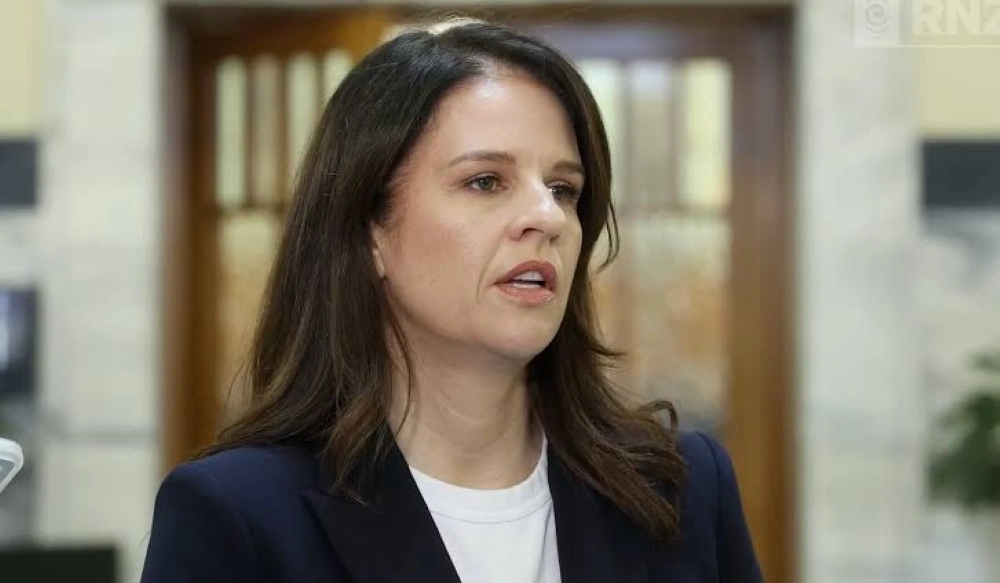
Bishop argued the case on supply, arguing that New Zealand “needs more homes of all kinds, including more long-term rental homes that are purpose-built for renters.”
He expects Build to Rent to give “those experienced investors another way to put their capital into New Zealand, while helping support the delivery of new rental housing.” He argues this is ultimately about “unlocking more investment into the homes New Zealand needs to grow.”

Watts wants the government’s investment and building settings pulling in the same direction, drawing in capital and talent while supporting construction. He says this is another example of “this Government fixing the basics and literally building the future.”
The fund structure is what the ministers offer as the protection. He argues that “Build to Rent can add to rental supply over time, while the managed funds model provides clear safeguards around who manages the investment and how developments are delivered.”
Simone Robbers, then acting director of Active Investor Plus investments at Invest New Zealand, said in April that the agency sets no deployment timelines for the funds it approves, relying instead on its power to suspend those that lag.
Immigration New Zealand will publish eligibility requirements, investment structures, and implementation timeframes before the change takes effect, and will hold the funds to standards covering capability, governance, and delivery. December is less than three months away.
The NZ$10M Tier
Property already had a place in the program. The Balanced category, at NZ$10 million over five years, accepts new residential developments alongside new and existing commercial and industrial property.
Ministers put the program at more than 900 applications and around NZ$5 billion in approved and pipeline investment since the April 2025 relaunch. More than 80% of those applications went to Growth, the tier that until now has had no property option.