Rank the world’s cities by gross rental yield and the order looks close to the reverse of where most cross-border buyers feel safe putting money.
Many of the markets at the top also restrict what a foreigner can own, price rents in a currency sliding against the dollar, tax rental income at punishing rates, or offer no realistic way to sell once you are in.
The freely buyable, liquid, low-tax cities that headline every “best place to live” list rank near the bottom.
A gross rental yield by city ranking, on its own, is a weak guide for anyone buying across borders. The number tells you what a property might earn before costs.
It says nothing about whether you can buy it, own it long term, or get your capital back out.

We pulled gross rental yields for every city on IMI’s Global Property Scoreboard (GPS) and sorted them by a single overlay: What a foreign buyer is allowed to own. The pattern that falls out is worth understanding before you chase a headline figure.
How to Read These Numbers
The yields here are gross and city-centre, drawn from Numbeo and Global Property Guide as of August 2026. Gross means before tax, management, vacancy, and transaction costs.
Global Property Guide puts net yields in Greece a little under two percentage points below the gross figure, and in high-tax markets the gap is wider.
Two cities can show the same gross yield and deliver completely different take-home returns once rental income tax is applied.
Greece is a clean illustration. Athens city-centre yields 4.00%, and Greek rental income tax alone pulls a prime-district return down sharply before any other cost.
IMI worked through how quickly a headline yield shrinks after tax in the Greek market.
Currency counts as much as tax. A high yield collected in a money that loses ground against the dollar each year is not that yield for a dollar-based investor, and several markets near the top of the raw table fall into that trap.
Where the Open Markets Land
The clearest exception to the whole pattern is the United States, and it is worth naming early. Houston yields 15.71% city-centre and Chicago 13.13%, both in a market a foreigner can buy into as freely as a citizen.
Atlanta is near 11.14%, with landlord-friendly Georgia law and one of the world’s busiest airports feeding tenant demand.

The constraint in US markets is the cost stack, not access. Property taxes and non-resident income tax together compress the headline number sharply, which is why a US gross yield overstates what reaches a foreign owner.
Texas reframes the math again. Austin yields 5.98%, well below Houston, and Texas levies no income tax, lifting net returns relative to California or New York.
Austin has a near-term oversupply that has softened rents, a timing risk for buyers and an entry opportunity for patient investors.

Panama City is among the most foreigner-friendly high-yield markets in the Americas, at 8.65%. The economy is fully dollarized, which removes currency risk, and Panama grants foreigners almost the same ownership rights as citizens, barring land near national borders and the immediate shoreline.
Panama’s Qualified Investor program requires that applicants invest at least $300,000 in property, pairing the yield with a residency route.

Colombia and Peru round out the accessible Latin American tier. Medellín yields 5.51%, with one of the region’s lowest transaction-cost burdens.
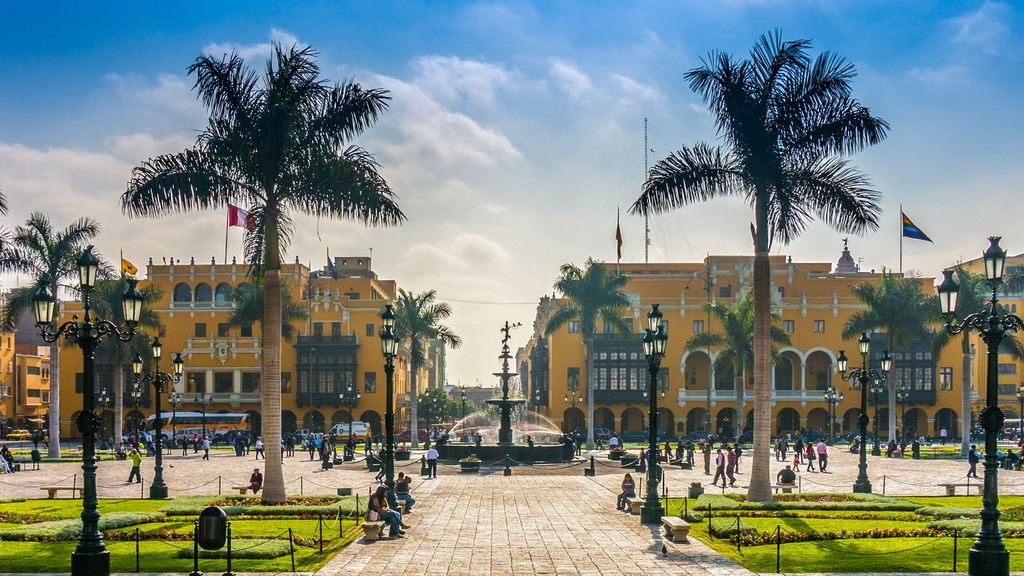
Lima is near 6.73% city-centre, though Peru taxes non-resident rental income on the gross amount, with no deductions, which a foreign landlord feels directly.
Outside the Americas, a cluster of open markets pays well with clean entry rules. Tbilisi yields 6.18%, taxes residential rental income at a flat 5%, and registers transfers in days.
Georgia exempts residential property gains after two years of ownership, though the exemption falls away where the property was rented out commercially, which covers most of the buyers this table attracts.
Bucharest is one of the few capitals in the bloc where yields beat Western Europe, at 3.70%, with buyers from outside the bloc able to purchase apartments without restriction.

Amman yields 5.53% behind a dollar-pegged currency, though Jordan grants foreign buyers freehold title on a reciprocity basis and with government approval, which is why IMI’s own scoreboard gates it as restricted rather than open.

Johannesburg yields 11.98% and Cape Town 9.46%, some of the deepest on the continent, but the rand is the story. A dollar-based investor who bought a decade ago has given back much of that in hard-currency terms, and South African roundtrip transaction costs punish a quick resale.

The Yields That Are Mostly a Currency Story
Lagos yields 7.49%, the highest of the currency-distorted markets here, and the figure owes much to the naira’s collapse against the dollar. Landlords in Ikoyi and on Banana Island increasingly write dollar-linked leases, but title risk is severe: Nigeria vests urban land in the state governor, and every transfer needs the governor’s consent.
Buenos Aires yields 6.54% gross after years of rent-control distortion, helped by the repeal of the rental law and a later foreign-exchange liberalization. The market prices in dollars while salaries are paid in pesos, so local-currency gains can evaporate once inflation is netted out.

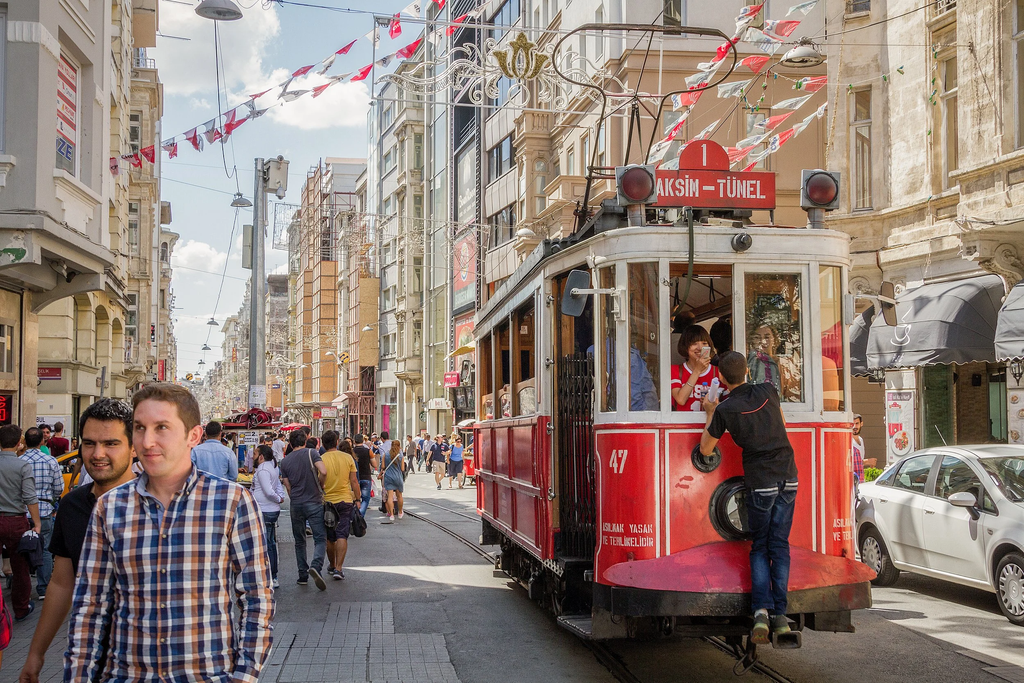
Istanbul’s buying waves have tracked the lira’s slide, which periodically made property look cheap to foreign buyers before nominal prices caught up. The same dynamic has burned investors elsewhere, and IMI has shown how currency risk can erase a paper gain in program-linked markets like Turkey.
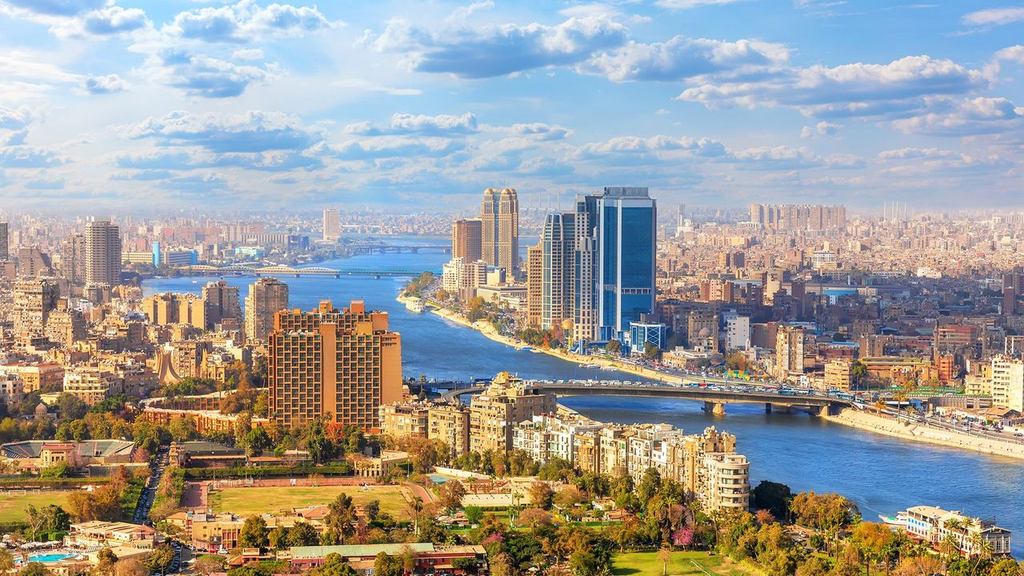
Cairo belongs in the same category. Successive devaluations of the pound made the city cheap in hard-currency terms and pushed high-end landlords toward dollar leases, but a foreign national can own no more than two properties across Egypt, and purchases need security clearance that can add weeks.
Markets You Can Enter, With Conditions
Dubai is the headline name in the restricted tier, and the conditions are mild by regional standards. Foreigners can buy freehold title in designated zones covering Downtown, Palm Jumeirah, Dubai Marina, and Business Bay, there is no annual property tax, and the dirham’s dollar peg removes currency risk.
Gross yields are around 7.62%, and the UAE grants a five-year golden visa to buyers whose property reaches AED 2 million, with the ten-year term reserved for public investments.
The structural risk is supply. Two-thirds of the homes bought in the emirate that year were off plan, and large completion waves will test how much the market can absorb.
Other restricted markets impose tighter limits. Cambodia bars foreigners from owning land outright, allowing strata-title condominiums above the ground floor only, which leaves the resale pool thin even as Phnom Penh yields 4.70%.
Kazakhstan permits foreign apartment ownership, with Astana at 8.50% and Almaty at 6.98%, though both are frontier governance settings and Almaty has seismic risk.
Some restricted markets deliver limited access and thin yield together. Manila caps foreign ownership of any condominium building and bars land ownership, and a vacancy overhang has left yields near 3.94%.
Thailand caps alien ownership at 49% of a condominium’s unit space, and Bangkok yields 3.29%. Ho Chi Minh City limits foreigners to a fixed term on apartments, under caps of 30% of a building’s apartments or 250 houses in a ward, with yields near 2.80% and a title process that often leaves resale stuck for years.
High Yields Behind a Closed Door
Several markets with strong yield cannot be entered through normal channels at all. Addis Ababa shows 10.67%, but Ethiopia opened to foreign ownership only recently, under an untested law requiring a minimum investment of $150,000 per residential unit, barring land ownership, and with capital controls that block repatriation.
Riyadh was shut to foreign buyers until Saudi Arabia’s foreign-ownership law took effect, though the Riyadh zone designations were not approved until June 2026, and the process remains harder for non-residents than for residents. Gross yields are around 8.75%, and Saudi Arabia levies no income or capital gains tax.

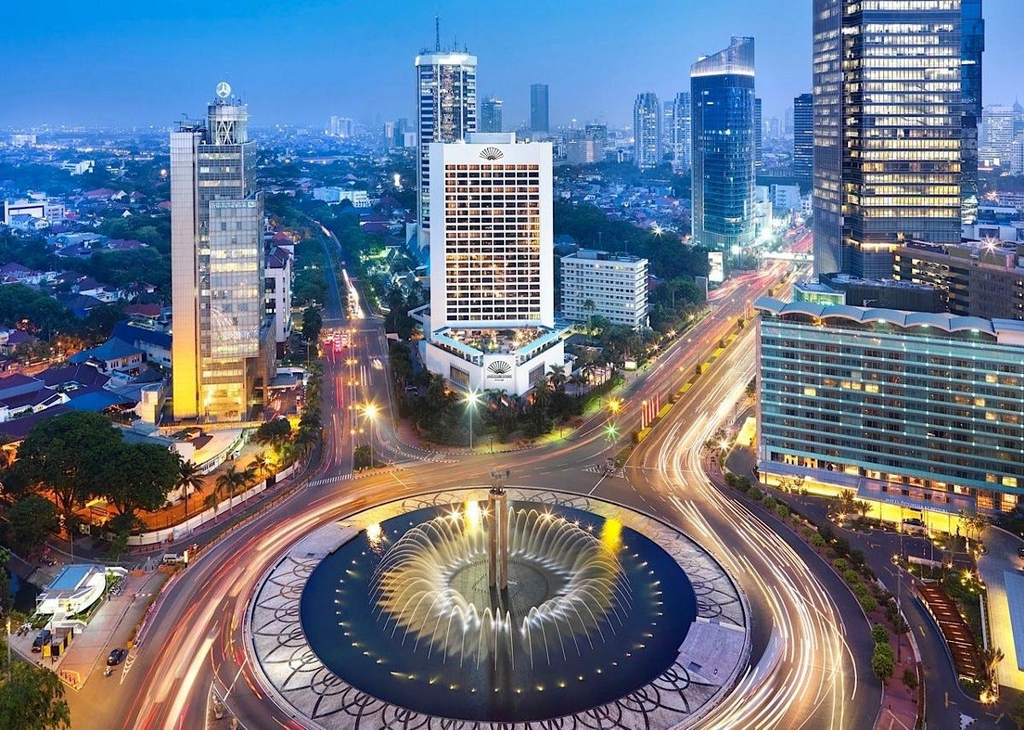
Tehran is sanctions-blocked and uninvestable for almost everyone, and Jakarta reserves freehold title for Indonesian citizens while offering foreigners use-rights or limited strata ownership in designated zones.
China is the starkest case, because access and yield fail together. Foreigners can buy a single unit only after a qualifying period of local tax or social-insurance payments, cannot freely use it as a rental, and struggle to repatriate proceeds under capital controls.
Shanghai, Beijing, and Shenzhen are at the bottom of the yield table, between 1.43% and 1.98%.

Australia and New Zealand close the door a different way. Australia bars non-resident foreigners from buying established dwellings, with a ban that now reaches June 2029, channeling foreign money into new-build stock.
New Zealand’s ban remains, softened by a narrow exception that lets Active Investor Plus and former Investor visa migrants buy one residential property worth at least NZ$5 million.
The Prestige Markets at the Bottom of the Table
The cities investors name first are mostly the ones that pay least. Tokyo offers freehold ownership to foreigners on identical terms to citizens, robust title, and a weak yen that has made entry look cheap, yet gross yields are near 3.32%, and net returns land well below that once tax and management come out.
Singapore levies an Additional Buyer’s Stamp Duty of 60% on foreign residential buyers, which alongside yields of 2.86% pushes most offshore capital elsewhere.
Western Europe tells the same story through regulation. Paris caps new rents by arrondissement and bars the least efficient older stock from the rental pool, leaving gross yields near 2.59%.
Vienna pairs top-ranked governance with rent caps on its large pre-war stock and a 30% property capital gains rate, leaving yields near 2.06% and an investment case built on capital preservation rather than income.

London adds a 2% surcharge on residential purchases by non-resident buyers, on top of the surcharge for additional dwellings, and most central stock is leasehold rather than freehold, with yields around 3.68%.
Switzerland rations foreign access directly. Under Lex Koller, buyers resident abroad need authorization to acquire residential property, and the national quota of 1500 permits a year applies to holiday homes in designated tourist communes rather than to city apartments in Zurich, where yields hover near 2.56%.
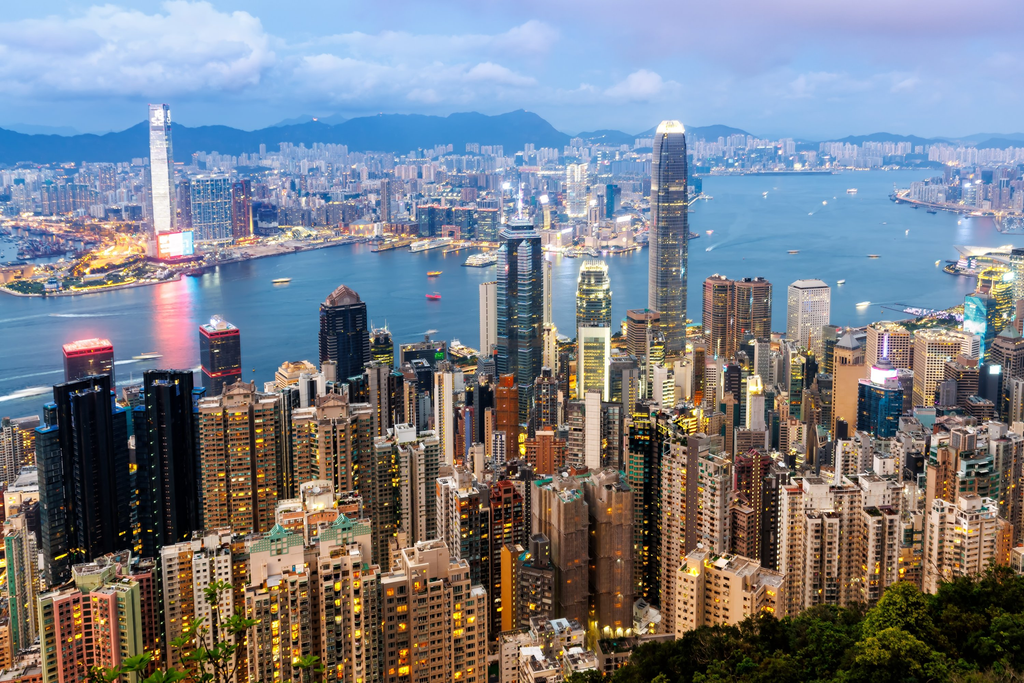
Hong Kong removed its cooling measures and imposes no nationality restriction, but extreme prices leave yields near 1.87%.
Seoul tightened to a permit-based regime for foreign buyers, extended by a further year and now in effect to 2027, and has the lowest yields in the set, near 0.85%, under a deposit-based lease system that brings its own risks.
Tel Aviv yields near 2.31%, taxes non-resident purchases from the first shekel, and offers no residency through property.
What a Yield Ranking Can and Cannot Tell You
Gross rental yield by city is a useful first filter and a poor final answer. The number screens out markets where rents are too thin to support an income strategy.
It cannot tell you whether the yield survives tax, whether the currency will lose value, whether you can buy as a foreigner, or whether you can exit without a discount.
The United States is the standing reminder that the two dimensions are separate. It leads this table on gross yield and gives foreign buyers open access, and the thing that erodes the return there is tax, not permission.
For a cross-border buyer, the practical sequence goes in the other direction. Start with what you are allowed to own, narrow to markets where you can repatriate income and capital, adjust the yield for tax and currency, and then compare the surviving numbers.
Apply that filter and the list shortens fast. Dollarized Panama, no-income-tax Texas, flat-tax Tbilisi and Bucharest, and a handful of others do most of the work the raw top of the table promises.
If a residency permit is part of the goal, the overlap is narrower again. IMI mapped the property-linked residency routes into the higher-yielding markets, and the set is smaller than the yield table suggests.
In several program markets, the binding constraint is no longer the asset at all. Policy risk now outweighs asset risk, as thresholds move and short-term-rental rules tighten faster than any building’s value can change.