
Most of the world’s wealthy live under taxation of worldwide income and assets. Whether the income arises in London, Lagos, or Bali, the tax authority at home claims its share, and residence in a high-tax country means the claim follows you across every border and every account.
A minority of jurisdictions work the other way around. Under the source principle, tax applies only to income earned within the country’s borders, and what a resident earns abroad is simply none of the treasury’s business.
For an entrepreneur with clients on three continents, an investor holding a foreign portfolio, or a retiree drawing a pension from his former home, the difference between the two systems can be the largest single line item in their financial life.
The American continent offers three of the most practical expressions of this idea, at three very different price points: Paraguay grants permanent residency for less than US$100,000, Uruguay repriced itself this January into the premium tier, and The Bahamas dispenses with income tax altogether.
Paraguay: The Low-Cost Territorial Standard
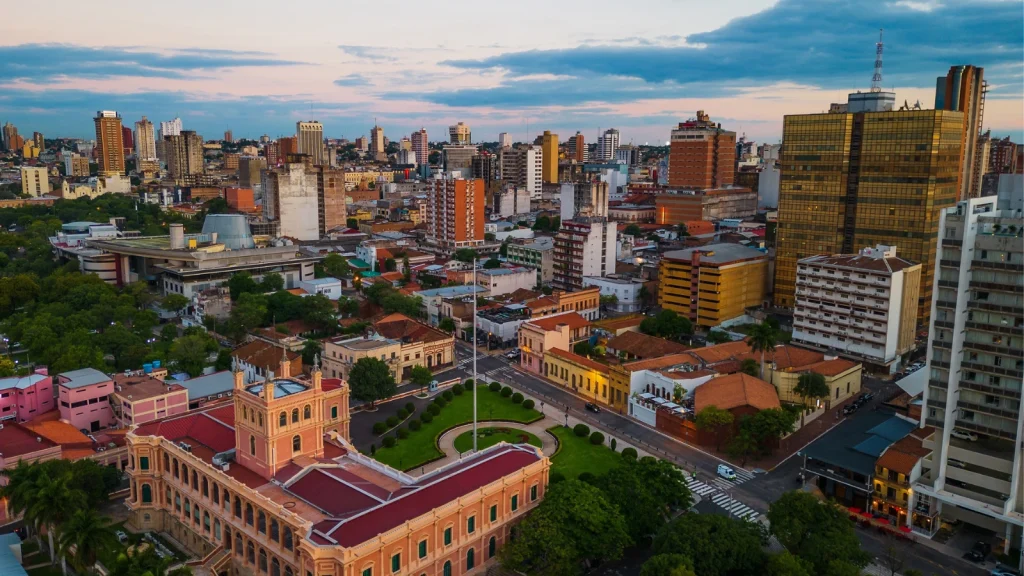
Paraguay’s territorial system taxes Paraguay-source income at 8 to 10% for individuals and 10% for companies, and leaves foreign-source income entirely outside the net.
No wealth tax, inheritance tax, or gift tax exists alongside it.
Entry is the cheapest in the hemisphere. The route runs through SUACE, Paraguay’s single window for investors, where a business investment of US$70,000, deployable over ten years, together with a commitment to create five formal jobs, grants permanent residency directly with no temporary stage first.
Tax residency then attaches by registration rather than by day count. Once a client holds legal residency, a national identity card (cédula), and an active taxpayer registration (RUC), the tax administration treats him as a resident and issues a certificate on request, with no presence requirements.
One housekeeping obligation matters: an active RUC requires monthly filings even at zero income, and skipped filings accumulate fines that resurface when a certificate is needed later.
Uruguay: Premium Pricing, an 11-Year Holiday
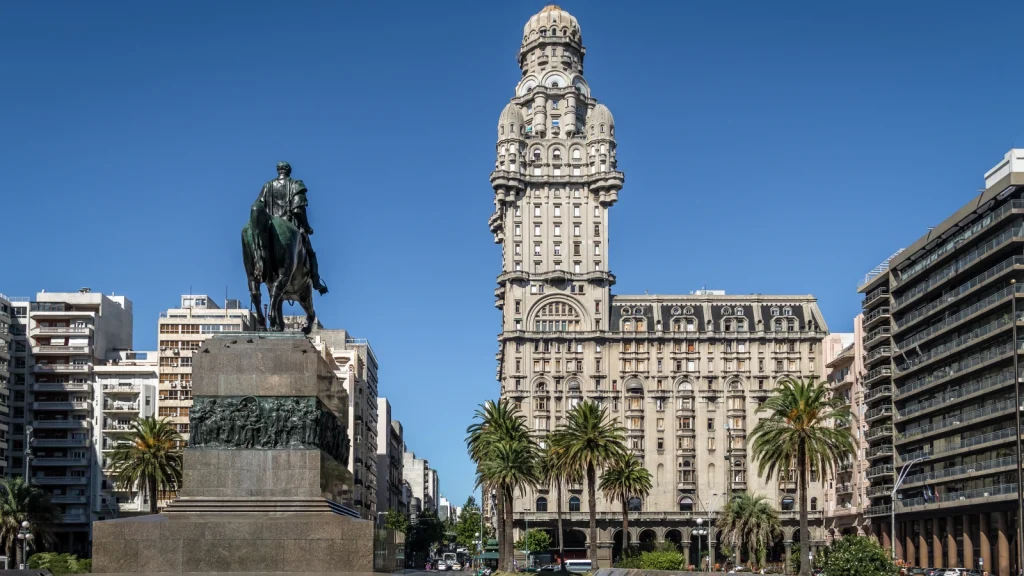
Uruguay pairs its source-based system with the most generous incentive of the three: a tax holiday exempting foreign passive income for the year of residency acquisition and the following 10 calendar years.
After the holiday ends, foreign dividends and interest are taxed at a flat 12%, with tax already paid abroad credited.
The price of admission for those who want permanent residency without spending much time in the country rose sharply this year. The national budget law, in force since January 1, 2026, lifted the real estate route to the holiday from roughly US$590,000 to approximately US$2 million and abolished the old 60-day presence pathway.
An alternative runs through contributions of approximately US$100,000 per year to the National Innovation Fund, and anybody who does not wish to make a real estate investment or a lump-sum annual contribution can obtain permanent residency by proving a recurring monthly income of approximately US$2,500 and a physical presence of more than 183 days in the country.
Residents outside the holiday now face 12% on most categories of foreign passive income, and the previous permanent 7% flat-rate election is being phased out for newcomers.
The Bahamas: No Income Tax to Begin With
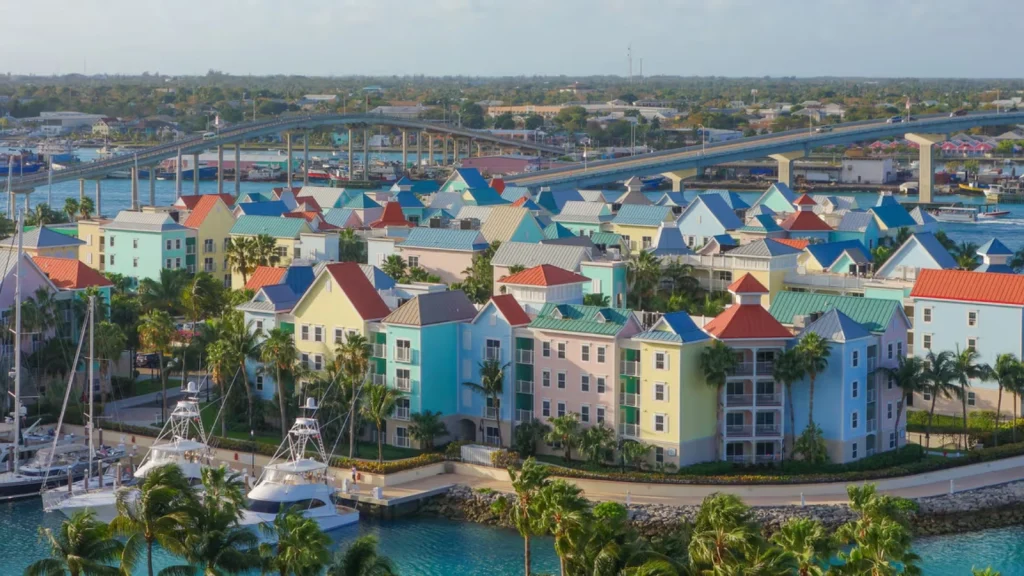
The Bahamas takes the bluntest route of the three. Personal income tax, capital gains tax, inheritance tax, and wealth tax do not exist in Bahamian law, so there is no foreign income exemption to qualify for; there is simply nothing to exempt it from.
Residence comes in two tiers. Economic Permanent Residency requires an investment equivalent to US$1 million since January 1, 2025, satisfied through real estate or Central Bank zero-coupon bonds held for at least ten years, and is granted for life, with processing generally running eight to 12 months.
Below it sits an annually renewable residence permit at a substantially lower financial bar, suited to clients testing the jurisdiction before committing.
On paper, The Bahamas offers a tax residency certificate carrying a taxpayer identification number for Common Reporting Standard purposes. In practice, obtaining one is a slower and less predictable exercise than the rules suggest; thus, residents should plan around the substance of their presence rather than the certificate.
For those who pursue it anyway, the thresholds are fixed: at least 90 days of physical presence per year and no more than 183 days spent in any other single country. Nassau is an hour’s flight from Miami, which, for many holders, makes the requirement a commute.
The Comparison in Brief
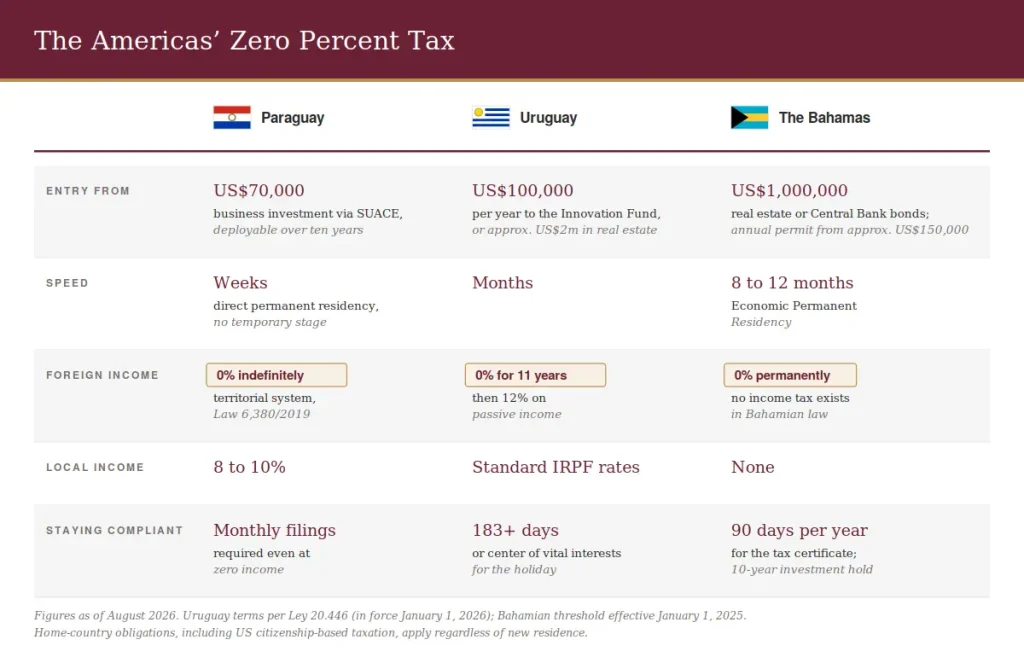
On the cost of entry, the ranking is unambiguous: Paraguay from approximately US$70,000, The Bahamas from about US$150,000 for the annual tier or US$1 million for permanent status, and Uruguay from approximately US$100,000 per year or US$2 million in property for the full tax holiday.
Speed runs in the same order, with Paraguay measured in weeks, Uruguay in months, and Bahamian permanent residency in up to a year.
The tax outcomes differ more subtly. Paraguay offers indefinite territorial treatment with modest rates on local income; Uruguay offers 11 years of full exemption followed by a predictable 12%; and The Bahamas offers permanent zero across income, gains, and inheritance. Obligations diverge too, from Paraguay’s monthly filings to Uruguay’s presence tests to the Bahamian 90-day rule.
One caveat applies across all three. Whoever obtains a Paraguayan certificate but keeps his house, family, and office in Frankfurt has changed nothing in the eyes of the German tax office, which looks at where he lives, not what he holds.
The same test applies across most of Europe, United States citizens remain taxed on worldwide income everywhere, and the cost of a genuine move, housing, banking, and time on the ground, is part of the price of the strategy.
EC Holdings advises clients on residency in all three jurisdictions from its headquarters in Singapore, alongside citizenship programs across the Caribbean and Pacific. Get in touch for a personalized consultation.