

The terrace is 30 floors up, and the Bosphorus is doing that thing it does at dusk. Blue turns to mercury, turns to something that looks like hammered gold. A container ship crosses paths with a yacht that probably costs more than the cargo.
The First Bridge starts its nightly light show. You’ve stopped checking your phone because the view you’re looking at has been the most fought-over piece of real estate on earth for about three millennia.
And when you do glance down, there’s a rental yield projection that makes your London property look like a charitable donation.
This is the part where most real estate stories pivot to square footage and investment minimums and phrases like “strategic asset allocation.” But here’s the thing about Istanbul right now: the money is almost beside the point. Almost.
The city’s economy produced $305 billion in output last year. That’s not Turkey’s GDP. That’s just Istanbul. One city, claiming nearly 30 percent of an entire G20 nation’s economic activity.
Per-capita income hit $18,836 while the rest of the country averaged half that. Every morning, two million people move through metro stations you’ve never heard of to jobs at companies you definitely have.
But statistics don’t explain why you’re standing on this terrace thinking about whether your family would actually use that house in Cotswolds anymore.
Where Sultans Kept Their Best Secret
Balmumcu was once the Sultan’s private garden. Not the public-facing kind. The kind where you took visiting dignitaries to quietly remind them who controlled the straits. When Istanbul started lighting streets at night, they turned part of it into wax workshops. The prestige never left. The name stuck.
Kempinski Residences Balmumcu looked at this land and did something unusual for a luxury developer in 2025: they built down, not up. Low-rise architecture.
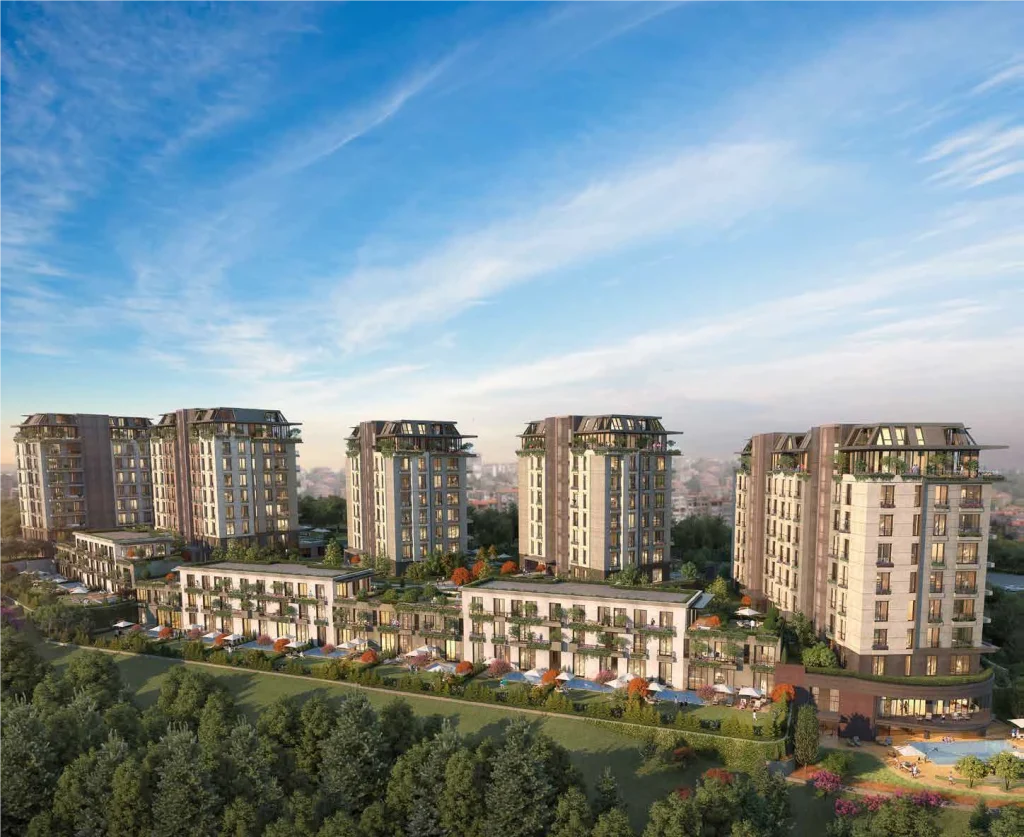
Nearly 100,000 square meters of landscaped greenery and walking trails. Not a single car penetrates the open spaces. Just paths and oxygen and the kind of silence that costs exponentially more with every meter you get closer to a major city center.
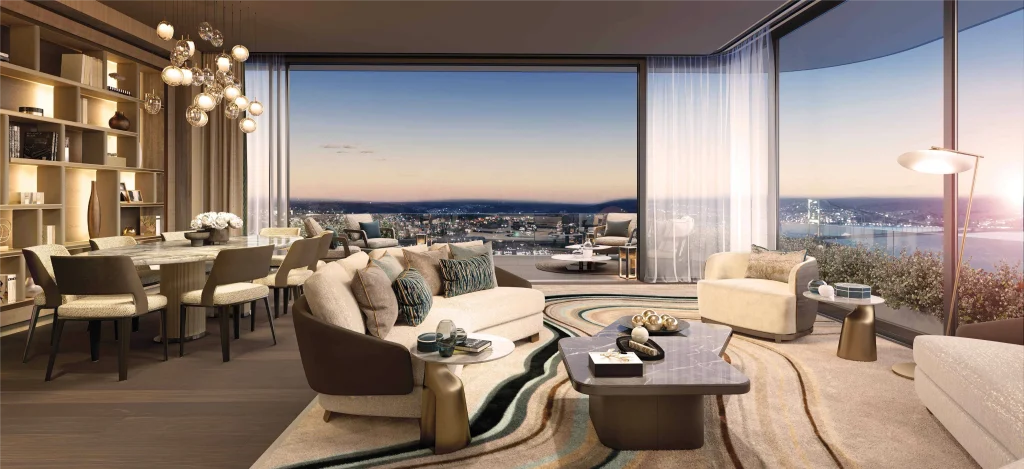
The residences are what happens when Italian craftsmen argue with German engineers, while Kempinski’s people explain that “good enough” isn’t a concept they’ve recognized in 120 years. Gaggenau appliances, because of course. Floor-to-ceiling windows because the Bosphorus didn’t position itself perfectly just so you could look at drywall. Smart home systems that probably know you’re low on milk before you do.
The pools are heated year-round. The spa is the kind of place where they remember your name and your preferred water temperature. The fitness center has equipment you’d need to join a waiting list to access in Manhattan.

And it’s managed by people who’ve spent over a century figuring out how to make wealthy guests feel like the hotel anticipated needs they didn’t know they had. That calibration, that unspoken understanding that luxury is about what you never have to ask for, lives in every detail.
You’re buying Turkish citizenship through real estate. You’re getting Europe’s oldest luxury hospitality brand managing your residence, access to the Kempinski Discovery Loyalty Programme across 800+ hotels worldwide, and a pathway to 110 countries without the immigration queue. The Turkish passport is strategic. The 24/7 concierge service is what you’ll actually use every day.
The cynical read is that this is citizenship wrapped in nice amenities.
The accurate read is that this is one of the best addresses in Istanbul that happens to solve your second passport problem as a side effect.

Where the Business Elite Decided to Concentrate
Five kilometers north, Mandarin Oriental Residences Etiler sits where Istanbul’s corporate titans and diplomatic corps chose to cluster. International headquarters. Embassy compounds. The kind of restaurants where you see deals happening over wine lists that could fund a car.
Etiler is what happens when a city’s business district develops taste. It’s got the proximity to the Bosphorus bridges connecting continents. It’s got the infrastructure. But it also figured out that the people running multi-billion dollar enterprises want more than just efficient commutes.
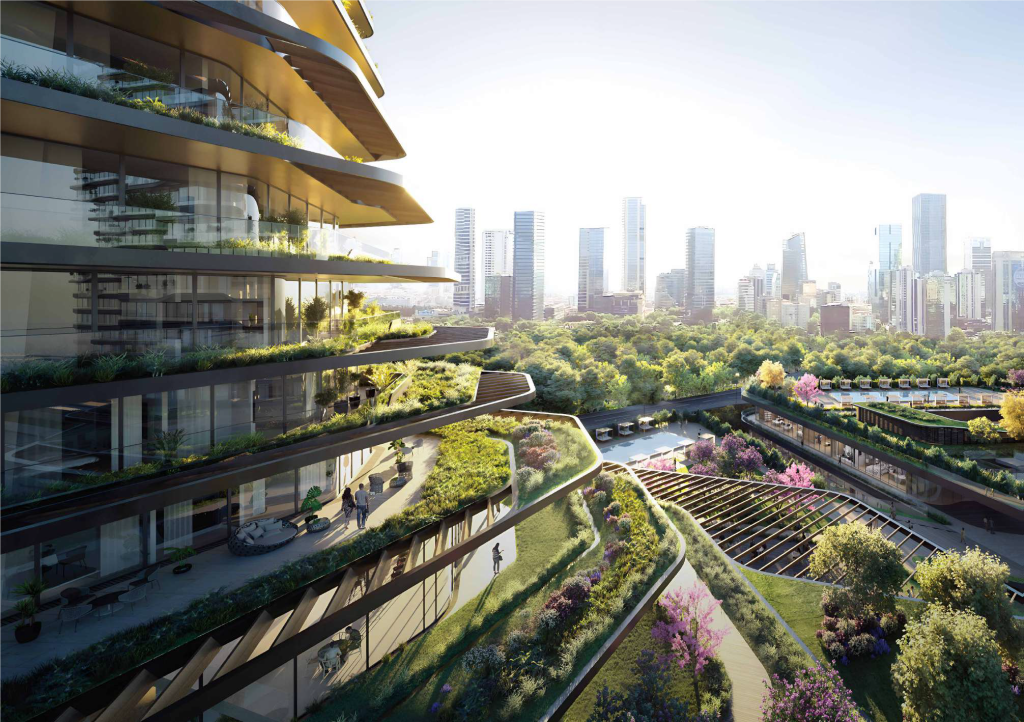
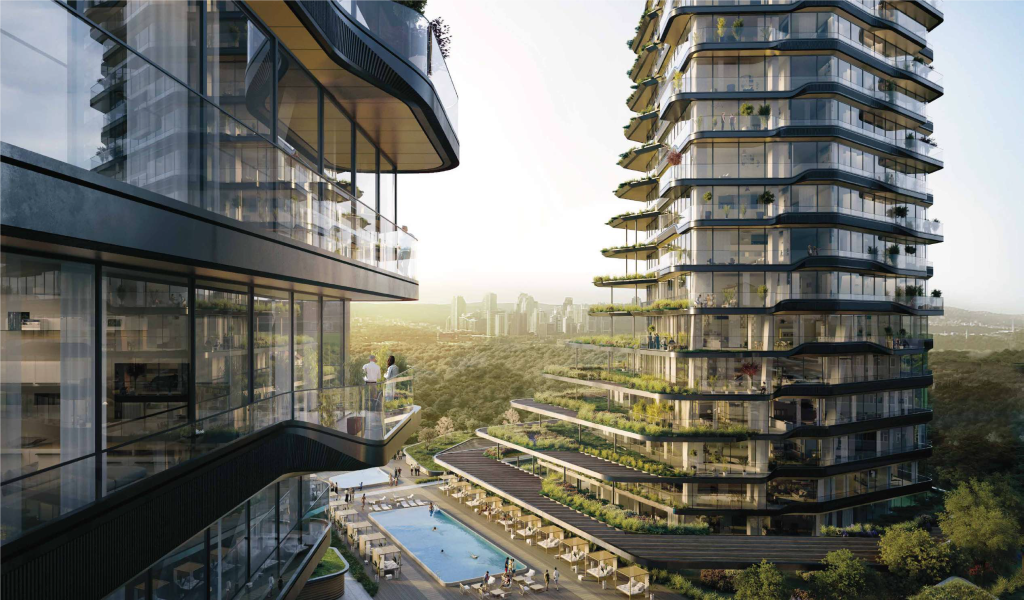
Mandarin Oriental understood the assignment. The residences and penthouses were designed by UNStudio out of Amsterdam, the people who’ve been redefining modern architecture across Shanghai, Hong Kong, Frankfurt, and Dubai. The interiors came from FM Arch in Italy, specialists in superyacht design who understand that when you’re working with clients accustomed to the best, “luxury” isn’t a marketing term. It’s a baseline requirement.
The penthouses have terraces that don’t just overlook the Bosphorus. They curate it. Asian shore catching morning light. The European side glowing at sunset. The strait performing its daily choreography of cargo ships, fishing boats, and mega-yachts navigating water that’s been the most valuable 30 kilometers on earth since people figured out that controlling it meant controlling trade.

Floor-to-ceiling windows pull natural light deep into interiors finished to specifications that Mandarin Oriental reserves for their flagship hotels. Lofty ceilings. Balconies sized for actual entertaining, not Instagram photos. The kind of space where you can host 12 for dinner and it doesn’t feel crowded.
Below, there are pools. Indoor and outdoor because seasons change but standards don’t. Private screening theater for when you’re tired of explaining why you haven’t seen whatever everyone’s talking about.

Meeting rooms because “working from home” is different when home has Bosphorus views and the right AV setup. Walking trails through gardens designed so your children can experience nature without leaving one of the most dynamic business districts in the Eastern Mediterranean.
The lobby isn’t an afterthought. Walk into any Mandarin Oriental and you understand immediately that you’re somewhere people with choices decided to be. That energy, that calibration, that unspoken understanding about luxury being what you never have to ask for, it’s engineered into these residences.
The Investment Nobody Mentions
Here’s what the polite real estate conversation doesn’t say out loud: buying in Kempinski or Mandarin Oriental means you’re betting on your own taste.
These aren’t emerging neighborhoods that might appreciate if the right gallery opens. Balmumcu and Etiler already won. They’re where Istanbul’s wealth decided to live. The bet isn’t whether the city continues to matter. Its economy produced more output than most countries last year while maintaining its role as the only place where you can have breakfast in Europe and dinner in Asia without boarding a plane.
The bet is whether you believe that living genuinely well, in places designed by people who understand luxury as a discipline, not a marketing budget, matters more than saving money on real estate you’ll visit twice a year and resent.
Istanbul’s property market is moving. The city dominates Turkey’s finance sector, claims over half the country’s information and communication output, and attracts the kind of international capital that recognizes asymmetric opportunities. Rental demand from global executives means these residences generate income whether you’re occupying them or not. Appreciation rates track what happens when a major economic hub hits its stride while most of the West debates whether growth is still possible.
Kempinski and Mandarin Oriental add layers beyond standard real estate economics. These brands elevate entire districts. Their presence attracts the kind of neighbors who expect world-class everything. Property values compound when location intersects with hospitality excellence that’s been refined across decades of serving the most demanding clientele on earth.
The Window Is Closing
CIP Turkey secured pre-launch access to both Kempinski Residences Balmumcu and Mandarin Oriental Residences Etiler because Taymour Polding and Aran Hawker spent years building relationships with developers who don’t need to sell. These projects will fill. The question is whether you’re positioned before prices adjust to reflect construction milestones.
Bosphorus-view residences at pre-completion pricing. Hotel-managed properties by brands that invented modern luxury hospitality. Citizenship in a NATO member state with no residency requirements, no language tests, no interviews. Access to rental markets serving executives whose companies are betting billions on Istanbul’s trajectory.
This is the part where luxury marketing deploys phrases like “limited opportunity” and “exclusive access” and you roll your eyes because you’ve heard it before from developments that turned out to be 40 minutes from anything that mattered.
But here’s the tell: the people buying these residences aren’t motivated primarily by citizenship programs or ROI projections. They’re buying because they visited Istanbul, stood on a terrace overlooking the Bosphorus, walked through Kempinski’s vehicle-free gardens or Mandarin Oriental’s lobby, and realized that every other city they’d considered suddenly felt like a compromise.
The Turkish passport validates the decision strategically.
The rental yields confirm it financially.
But the reason you’re actually considering this is because you’re tired of living in places that almost have everything you want. You’re done explaining to dinner guests why the view isn’t quite right or why the building management still hasn’t fixed that thing. You’re finished accepting that “world-class” in most cities means “pretty good for this neighborhood.”
Kempinski delivers 120 years of hospitality expertise to your daily life. Mandarin Oriental brings design standards calibrated in Hong Kong, London, and New York to Istanbul’s most dynamic business district. Both solve your citizenship requirements. Neither asks you to compromise on anything.
Istanbul doesn’t apologize for being ambitious. Neither should you.
Contact CIP Turkey. Pre-launch windows close when construction milestones say they do, not when it’s convenient.
