

Most citizenship by investment programs promise mobility. Prime Developments promises belonging.
The Prime Creative Arts Center in St. Kitts and Nevis represents a fundamental reimagining of what public benefit infrastructure can achieve. While other developers construct hotels and pave roads under Public Benefit Option (PBO) frameworks, Prime Developments is building the physical architecture of integration itself.
Led by Dr. Sirous Motevassel since 2006, the company has anchored its latest project around a question that other citizenship by investment (CBI) developers rarely ask: what happens after someone becomes a citizen? Where do new nationals and established communities actually meet, learn from each other, and build shared identity?
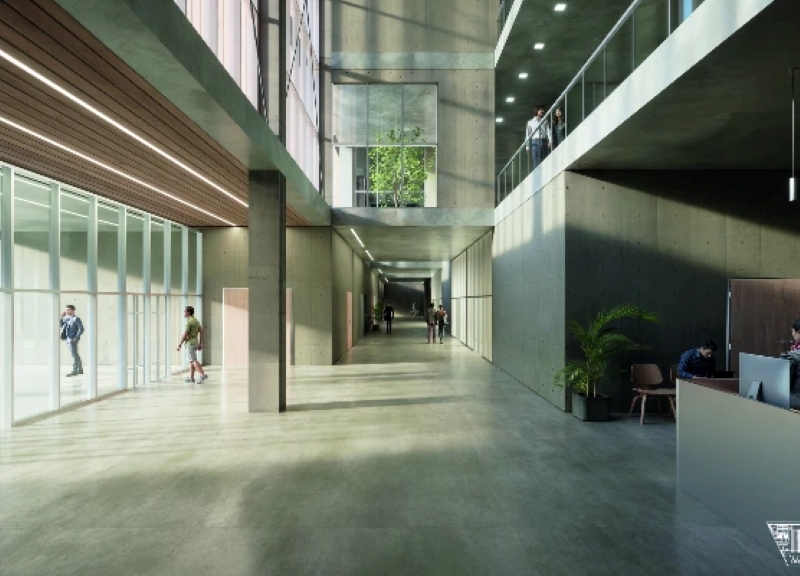
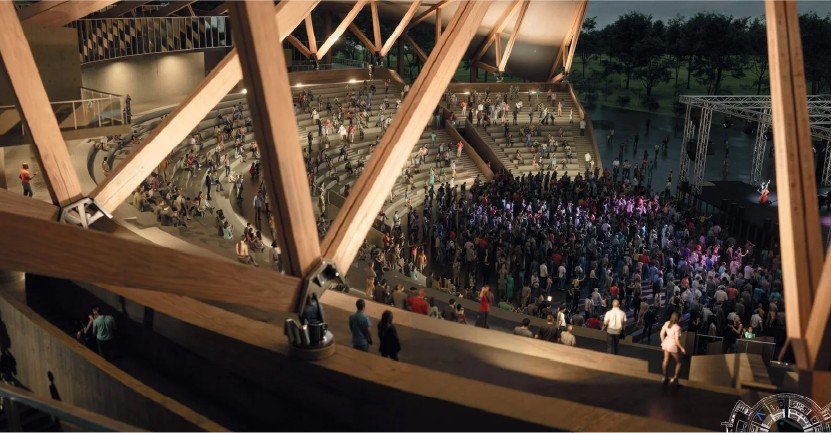
The answer takes shape across four phases. A 3,200-seat open-air amphitheater will host performances that draw both long-time Kittitians and newly arrived nationals. A dedicated theater hall provides space for private cultural programming and community briefings that facilitate the kind of sustained interaction citizenship ceremonies cannot accomplish alone.
An art exhibition hall showcasing Caribbean regional artists creates an ongoing cultural dialogue. Mixed-use commercial spaces designed for family entertainment ensure accessibility across economic strata, a deliberate departure from luxury real estate models where public benefit often means “open to those who can afford it.”
Timing elevates this project from opportunistic to prescient. Cultural Integration Frameworks are advancing across the Eastern Caribbean as regional regulators respond to international pressure for more robust naturalization processes.
St. Kitts and Nevis has been developing its own framework, requiring structured programs that help new citizens understand local customs, governance, and social expectations.
Prime Developments isn’t scrambling to comply with the coming requirements. The company designed an infrastructure that satisfies integration mandates before they become compulsory. Classes teaching new citizens about parliamentary procedures, local business practices, and civic responsibilities need venues. Dr. Motevassel built those venues.
This positions both the country and the investors ahead of regulatory curves. St. Kitts and Nevis can implement the Cultural Integration Framework requirements immediately because the physical infrastructure already exists.
New citizens won’t attend makeshift orientations in hotel conference rooms or government offices repurposed for workshops. They’ll participate in programming within dedicated cultural facilities designed specifically for sustained community engagement.
Investors benefit from institutional permanence. Real estate projects face market volatility and operational uncertainty. A government-owned cultural center mandated to deliver integration programming faces neither.
Demand for its services grows automatically as more citizens naturalize, and regulatory requirements ensure ongoing utilization regardless of tourism trends or property market fluctuations.
Competitors will eventually build integration infrastructure because regulators will demand it. Prime Developments built it first, establishing the model others must follow while Caribbean governments draft their requirements. That’s not just first-mover advantage. It’s definitional authority over what Caribbean cultural integration infrastructure should look like.
Government ownership distinguishes this project from conventional PBO structures. Profits flow directly to state coffers rather than developer balance sheets, ensuring that returns on investment serve public rather than private interests.

This public-private partnership model places operational control with the government while Prime Developments provides the infrastructure and initial capital.
The Cultural Integration Framework that St. Kitts and Nevis has been developing now has a home. Classes designed to help new citizens understand local customs, governance structures, and social norms require physical space and institutional backing. Hotels can host conferences; cultural centers host communities.
Dr. Motevassel’s vision extends beyond the Caribbean. Annual art exhibitions rotating through global cities, starting with Dubai, will showcase Kittitian artists to international audiences, with proceeds directed to charitable causes.
These events create networks among culturally engaged citizens scattered across continents, binding them through shared investment in their adopted nation’s artistic output.
Legacy takes tangible form through a Wall of Appreciation. Investors who choose recognition will see their names permanently displayed, visible to future generations of their families who visit St. Kitts and Nevis not as tourists but as nationals returning to examine their roots. Grandchildren born Kittitian will understand their citizenship emerged from ancestors who built rather than merely bought.
The $250,000 minimum investment carries no real estate component. Investors receive citizenship and a Certificate of Appreciation signed by the Citizenship by Investment Unit (CIU) Chairman, but no deed, no timeshare, no ongoing maintenance fees. What they receive instead is rarer in the investment migration industry: the knowledge that their capital-funded infrastructure serves every citizen regardless of net worth.
Cultural infrastructure generates value traditional real estate metrics don’t capture. Government ownership ensures permanent institutional demand as integration requirements expand across Caribbean jurisdictions. Programs mandated by regulatory frameworks don’t face vacancy rates or market downturns.
New citizens need more than visa-free travel and tax optimization. They need institutional frameworks that transform legal status into a genuine national identity, and governments will increasingly require developers to provide exactly that infrastructure. Investors funding these facilities position themselves within regulatory compliance rather than against emerging requirements.
Prime Developments has structured an offering where the public benefit isn’t incidental to profit but central to purpose. Whether a citizen arrived through investment or birth, they access the same cultural programming, attend the same exhibitions, and participate in the same community events. Citizenship by investment often creates parallel populations; this project attempts to merge them.
The fastest-processing CBI program in the Eastern Caribbean now includes an option that measures success not in passport production speed but in how many new citizens actually show up to cultural events a year after naturalization. That metric matters more than most investment migration firms want to acknowledge.
Dr. Motevassel positions this as sustainable luxury development, though “luxury” here means something different than granite countertops and infinity pools. It means building a country where citizenship feels earned through contribution rather than purchased through transaction, where new nationals have institutional spaces to become more than legal residents with travel documents.
Most CBI projects disappear from investor consciousness the moment citizenship arrives. The Prime Creative Arts Center ensures an ongoing connection between new citizens and their adopted nation through programming that rewards participation rather than just processing fees. Investors fund their own integration infrastructure, then benefit from its existence.
This model invites examination of what public benefit actually means in citizenship by investment contexts. Roads and hotels serve important functions, but create a limited civic identity. Cultural centers force interaction, facilitate learning, and build the social capital that transforms legal status into genuine belonging.
The Italian-designed amphitheater rising in Basseterre represents more than architectural ambition. It manifests a thesis about what investment migration can become when developers prioritize integration as seriously as they prioritize returns.
Legacy isn’t just having your name on a wall. It’s knowing the wall surrounds a space where your adopted compatriots actually gather.
Learn more via our website.
