
US immigration officers can now weigh food stamps, Medicaid, housing aid, and similar benefits against a green card applicant. The Department of Homeland Security (DHS) rule took effect on September 18, four days after New York, 21 other states, and the District of Columbia sued to vacate it.
It governs any adjustment of status application with a postmark or online submission date of September 18 or later, along with applications for admission. Earlier benefit use still counts only under the narrower 2022 standard. That standard counted just two things: Cash assistance for income maintenance and long-term institutional care at government expense.
Guidance that US Citizenship and Immigration Services (USCIS) issued on August 18 lets officers consider any means-tested benefit an applicant receives from September 18. Cash assistance, housing assistance, food stamps, and financial aid for college all appear among its examples. Officers decide case by case, weighing benefit use alongside the five statutory factors, which include age, health, family status, and finances.
DHS rests the change on what it calls long-standing policy that “aliens in the United States should be self-reliant and government benefits should not incentivize immigration.” Its own analysis projects that falling enrollment could cut federal and state transfer payments by approximately US$13.05 billion a year.
The department offered no comparable figure for applicants the test will turn away. Each decision turns on individual facts, DHS explained, so it cannot quantify the effect.

Discretion
Adam Juchniewicz, CEO of 21CBI, rejects the all-or-nothing reading: “The mainstream media coverage makes this sound binary. It is not.” A means-tested benefit “can enter the file, but it remains one factor in an individualized public charge determination,” as he puts it.
The real change, on his reading, “is not a fixed blacklist of benefit programs” but “the removal of bright lines.” With officers gaining “broader case-specific discretion,” applicants “need a clearer evidentiary record showing their circumstances as a whole.”
Juchniewicz spent “over a decade at the US Department of Homeland Security on immigration policy.” There, he “learned that a rule is only as predictable as the guidance used to apply it.” Broader officer discretion, in his assessment, makes “clear training, consistent adjudication, and a complete evidentiary record more important than ever.”
The lawsuits
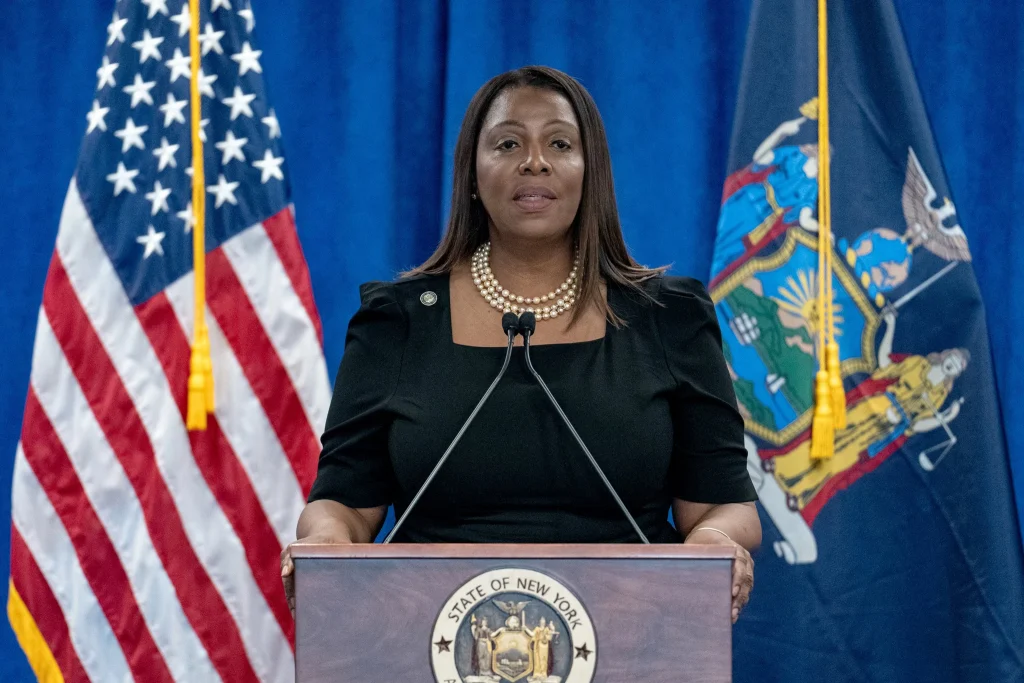
New York Attorney General Letitia James filed the states’ complaint on September 14 in the US District Court for the Southern District of New York. Attorneys general from 20 other states and the District of Columbia joined her, as did Pennsylvania’s governor.
Their complaint argues that the rule is arbitrary and capricious under the Administrative Procedure Act and exceeds DHS’s statutory authority. It asks the court to declare the rule unlawful and vacate it.
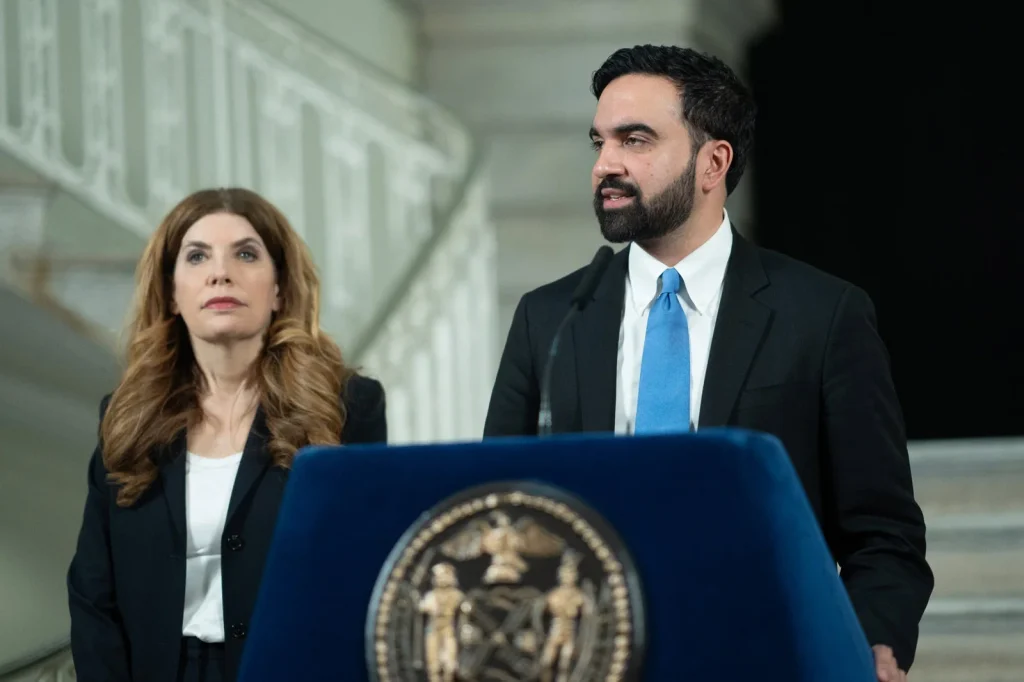
In James’s words, the policy “counts on families forfeiting the food assistance, health care coverage, and other public benefits to which they are legally entitled.” New York City Mayor Zohran Mamdani leads a separate suit with Chicago, San Francisco, Seattle, Santa Clara County, and King County.
A third suit followed on September 18, the day the rule took effect. The Legal Aid Society, Democracy Forward, and the Center for Constitutional Rights filed it in the same court for four nonprofits, among them Make the Road New York.
District courts in five states, New York among them, enjoined the first Trump administration’s 2019 version. Enforcement began anyway in February 2020, once appeals courts and the Supreme Court had stayed those orders.
On August 21, a federal judge in New York struck down another public charge measure, the State Department’s immigrant visa freeze covering 75 countries. That freeze had swept in every Eastern Caribbean citizenship by investment (CBI) jurisdiction. Until a judge acts on the DHS rule, it stays in force.
Investors
The public charge ground still covers employment-based applicants, including investors. Yet an EB-5 investor must document the lawful source of at least US$800,000, which settles the self-sufficiency question before any officer asks it. A Gold Card applicant clears it by a wider margin, with a US$1 million gift on top of a US$15,000 processing fee.
For investors adjusting status inside the US, the rule’s reach is procedural. That group already faced a May USCIS memo that restricted in-country applications for most temporary visa holders. Now USCIS accepts only the 09/18/26 edition of Form I-485, the adjustment of status application, with no grace period for older versions.
Any package USCIS rejects loses its filing date, a real cost for families with a child close to aging out at 21. Regional center investors racing the September 30 grandfathering deadline will meet the new form and the new standard if they file a green card application alongside their petitions.
Form I-864, the affidavit of support that family sponsors sign, changed too. Its 08/24/26 edition, mandatory from October 1, adds a privacy release authorizing USCIS to request credit reports and scores from consumer reporting agencies. EB-5 investors, who petition for themselves, do not file one.
Bonds
The rule also rewrote the terms of public charge bonds, the guarantee that can let an applicant whom an officer deems inadmissible on this ground alone enter anyway. From September 18, receipt of any means-tested benefit breaches the bond. Under the 2022 framework, only cash assistance and long-term institutional care did so.
On August 5, the State Department announced a pilot that lets consular officers direct certain applicants they refuse on public charge grounds to apply for a bond with USCIS. It started in the Dominican Republic.
DHS also deleted the clause that let USCIS cancel a bond at any time on finding the holder unlikely to become a public charge. The department drafted that deletion to outlive the rest of the rule. If a court strikes down the rescission, it wants the early-cancellation repeal to stand on its own.