
Officials refuse to dismiss wealth tax plans despite expert warnings that most countries abandoned such levies after they failed.
The government has declined to rule out imposing a wealth tax on Britain’s richest citizens, breaking with Chancellor Rachel Reeves’s previous opposition stance and ignoring warnings from tax experts that such measures typically fail to generate meaningful revenue.
Downing Street and Treasury officials refused multiple attempts by Conservative MPs to dismiss the possibility when questioned in Parliament. Chief Secretary to the Treasury Darren Jones repeatedly stated that “the Chancellor will set out any decisions on tax one way or the other at the budget,” scheduled for autumn.
The Prime Minister’s Official Spokesperson told The Times that the government had already moved to ensure “those with the broadest shoulders should carry the greatest burden,” citing measures including “closing the non-dom tax regime, increasing air passenger duty on private jets and preventing tax rises for working people at the autumn budget.”
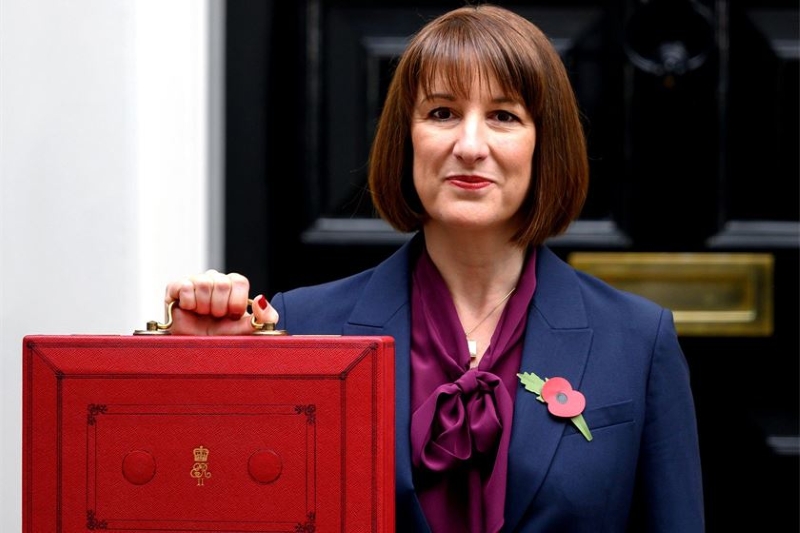
The shift follows mounting fiscal pressure on Reeves, who faces a £5 billion shortfall after the government’s welfare reform reversal. Economists estimate she may ultimately need to find more than £20 billion if growth forecasts deteriorate. The debate unfolds against a backdrop of unprecedented wealth flight from Britain, with 10,800 millionaires departing in 2024 following the government scrapping its non-dom tax regime.

One millionaire left every 45 minutes. High-profile departures include Nassef Sawiris, the Egyptian co-owner of Aston Villa FC, who shifted his tax residency to Italy, and billionaire property developers Ian and Richard Livingstone, who moved to Monaco.
Proposal Sparks Debate
Former Labour leader Lord Kinnock catalyzed the discussion by telling Sky News that a 2% levy on assets exceeding £10 million could raise £11 billion annually while demonstrating that Labour remains “the government of equity.”
Health Minister Stephen Kinnock, the peer’s son, told LBC that his father’s proposal deserved consideration. “Tax is something that the Chancellor will be looking at very carefully now and going into the budget in October,” he noted, emphasizing the importance of ensuring “efficiency and effectiveness of the tax collection system.”
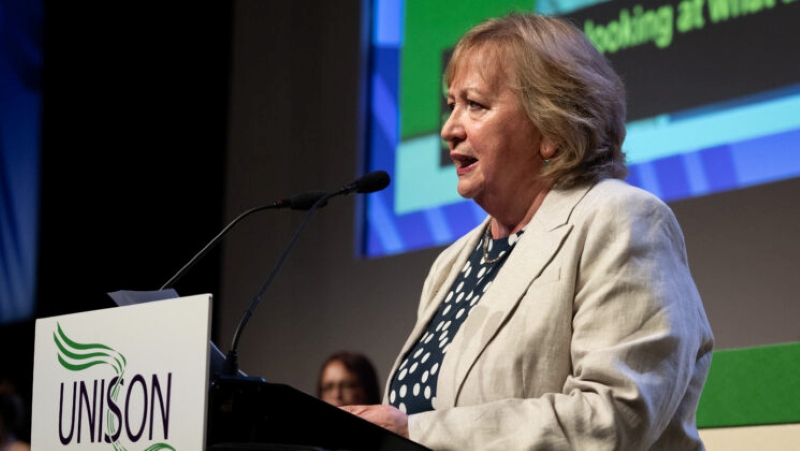
Simon Opher, a Labour backbencher who rebelled over the welfare bill, called for the measure to avoid cuts to benefits. According to The Times, Christina McAnea, general secretary of Unison, described such measures as a “much fairer way of raising revenue to invest in public services and grow the economy.”
Expert Skepticism Runs Deep
Tax professionals dismiss the proposal as economically naive. Experts point to historical evidence showing wealth taxes typically raise minimal revenue while driving away the wealthy individuals they target.

Jimmy Sexton, CEO and Founder of Esquire Group, believes the UK implementing a wealth tax would be “moronic” given “the exodus of wealth following the abolition of the non-dom regime.” He argues that “the wealthy will only accept a certain level of tax before they vote with their feet and leave.”
Henley & Partners data project 16,500 millionaires will leave the UK in 2025, marking the largest single-year outflow by any country since researchers began tracking.
Spain’s wealth tax generated just €632 million in 2023, while Norway’s recent rate increase to 1.1% triggered an exodus of wealthy citizens that cost the state £435 million annually in lost revenue.
The Institute for Fiscal Studies notes that most countries that implemented wealth taxes have since abandoned them, with Switzerland being the notable exception where such levies generate meaningful revenue alongside relatively low general tax rates.
Administrative Challenges Loom Large
Beyond the risk of capital flight, wealth taxes face substantial implementation hurdles. Establishing accurate asset valuations presents a fundamental challenge, as governments must require annual assessments of complex portfolios including property, art, and private equity holdings.
Sexton highlights these practical difficulties, noting that “those who the tax would apply to basically would have to have their assets valued every year and pay tax on that. And the tax authority would have to decide to accept that value or challenge it. And, much wealth easily hidden.”
The valuation process becomes particularly complex for illiquid assets such as artwork, private company shares, and property holdings in multiple jurisdictions. Authorities must either accept taxpayer valuations or invest substantial resources in challenging assessments.
Sexton argues these administrative burdens partly explain why wealth taxes are “extremely hard to administer,” contributing to their eventual abandonment in most countries that attempted implementation.
International Experience Shows Mixed Results
Of 12 developed countries that maintained wealth taxes in the 1990s, only three retain them today. Switzerland generates roughly 4.3% of state tax revenue from its wealth tax, though this success occurs alongside relatively low general tax rates and no federal inheritance taxes.
The Tax Foundation found that wealth taxes represented just 0.5% of Spain’s total tax revenue in 2022, despite applying to assets above €700,000 in most regions.
Sexton questions why British policymakers believe “they would be successful at implementing and administering a wealth tax when almost all others have failed.” He predicts that if implemented, “the wealth tax would bring in much less than expected” while driving more wealthy individuals to relocate.

David Lesperance, founder of tax advisory Lesperance and Partners, told the Daily Mail that 50% of his ultra-high net worth clients had already departed the UK since Labour came to power. He warned that imposing a wealth tax would prompt another 25% to flee, noting that “if you bring in a wealth tax, that mitigation is neutralised, so it’s another force that will drive those who haven’t already left to leave.”
Political and Economic Pressures Mount
The government has already implemented several measures targeting higher earners, including replacing the non-domicile tax regime with a four-year Foreign Income and Gains system, increasing air passenger duty on private jets, and raising taxes on energy company profits.
The Prime Minister’s Official Spokesperson said that “our progressive tax system means the top 1% of taxpayers contribute nearly a third of income tax, with revenue from wealth and asset taxes such as capital gains tax and inheritance tax going towards funding tens of billions of pounds for public services.”
According to The Times, business leaders express growing concern about the policy direction. John Caudwell, the billionaire Phones 4u founder who switched from Conservative to Labour support, told The Times he was “increasingly nervous” about the government’s approach.
The government simultaneously faces pressure from other directions, with Reform UK proposing a £250,000 “Britannia Card” to attract wealthy migrants while Bloomberg reports Labour quietly considers its own new investor visa for strategic sectors.
Neil O’Brien, Conservative MP for Harborough, Oadby and Wigston, warned in Parliament that speculation about wealth taxes could drive investment away from Britain even before any formal implementation.
The Chancellor faces the challenge of addressing immediate fiscal needs while maintaining market confidence and avoiding capital flight. Her autumn budget will reveal whether political pressure for wealth taxes overcomes the practical obstacles that have derailed similar efforts across Europe.
