

Dr. Guillaume Grisel
Geneva
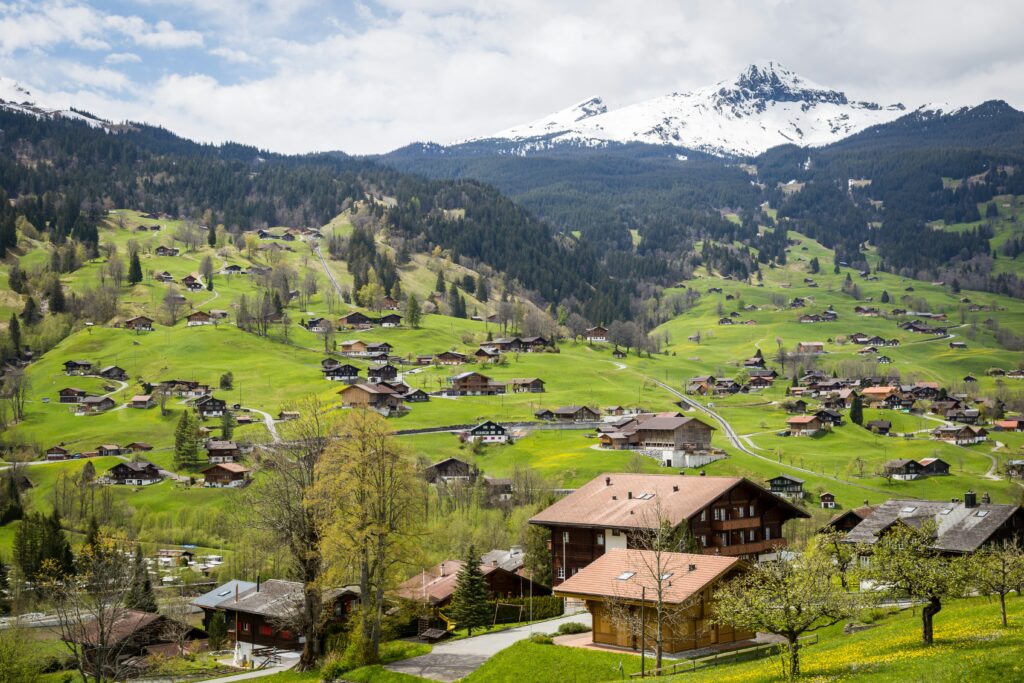
For over two centuries, Switzerland has been one of the favorite destinations for high-net-worth immigrants.
Switzerland offers security, a world-renowned health and education system, financial services that need no introduction, and a haven of tranquility just a stone’s throw from all the major European capitals.
Switzerland also boasts political and economic stability and a stable and predictable tax system.
Strictly speaking, there is no golden visa program in Switzerland. As a result, finding the right gateway to Switzerland can be challenging.
However, with enough research, the right advice, and expert support, high-net-worth individuals can find the right solution, whether they are retired or working.
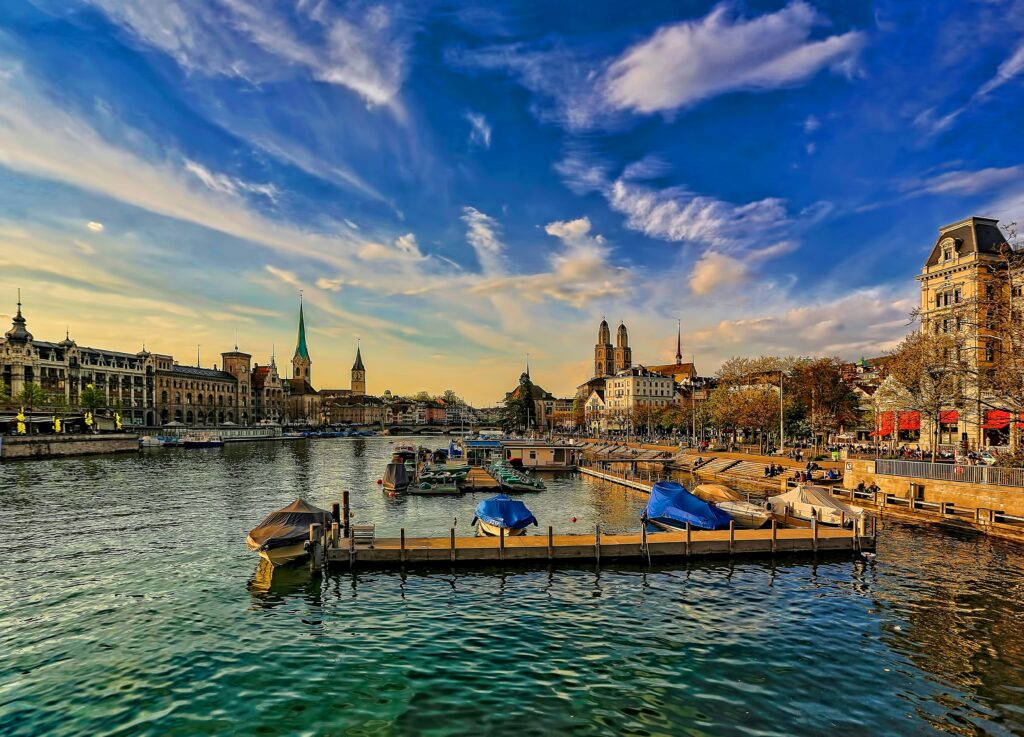
From a tax point of view, the same person may be taxed very lightly or heavily depending on whether or not they have properly planned their tax structure in advance.
Choosing Switzerland is just the beginning. Then you have to decide where in Switzerland you want to live. The variety of possibilities is immense for such a small country, depending on your desire.
Switzerland has 26 cantons, like states, each offering different taxation frameworks, diverse lifestyles, and unique topography. Choosing which canton is right for you is paramount to getting the most out of your experience.

The different immigration routes
There are various ways of obtaining the right of residence in Switzerland:
Route for citizens of an EU country
This is the simplest route. EU citizens have the right to settle in Switzerland, provided they have sufficient financial means to support themselves (the threshold is low) and do not endanger public order.
Citizens of EU countries can come to Switzerland either as employees, to work as self-employed persons (artists, sportsmen, and women, freelancers), as directors of Swiss or foreign companies, or without a professional activity (as retirees or to manage their assets).
Route for foreign pensioners with close links to Switzerland
Many foreigners have forged strong ties with Switzerland during their lives and wish to spend their retirement here. There is a residence route for this category of people. To qualify, an applicant must:
- Be over 55;
- Have strong personal links with Switzerland;
- Pledge not to engage in any gainful activity in Switzerland during the stay;
- Have sufficient financial means; and
- Do not threaten Swiss public order.
Route for foreigners of major public interest
The Swiss immigration authorities have the discretion to grant a residence permit to a foreigner whose presence represents a major public interest for Switzerland.
The public interest may be scientific if the foreigner is an eminent scientist, cultural if the foreigner is a well-known artist, or fiscal if the foreigner becomes a major taxpayer (more on that below).
The usual conditions apply: the foreign national must have the means to provide for his or her own financial needs and must not endanger Swiss public order.
Route for highly qualified employees and investors
Swiss employers can hire employees who are citizens of non-EU countries and obtain a residence permit for them.
These employees must be highly qualified (managers, specialists, experienced academics). Employers must also demonstrate that hiring this person is in Switzerland's economic interests and that they have been unable to find a suitable candidate in the Swiss or EU labor market.
A wealthy foreigner wishing to settle in Switzerland may set up a new company or invest in an existing company. This company can then hire its shareholder under the conditions described above and obtain a residence permit for him or her in Switzerland.
Route for family members of Swiss residents
Swiss residents may have certain family members join them in Switzerland on the basis of family reunification. In all cases, family reunification extends to the spouse (or registered partner) and minor children.
Swiss and EU citizens may also bring their children up to the age of 21 (even if they are not dependent), their dependent parents, and grandparents, even if these individuals are not EU citizens themselves.
Permanent residence in Switzerland
New residents in Switzerland will get a provisional residence permit, generally for one year at first, then for two years, and then they continue to renew it. After residing for ten years, the foreigner may acquire permanent residence in Switzerland.
If you are the spouse of a Swiss citizen, the spouse of a permanent resident, or a citizen of a country with a treaty on establishment with Switzerland, you are eligible for permanent residence after only five years of provisional residence. This applies to many Western European countries, the UK, the USA, and Canada.
Acquisition of Swiss citizenship
Acquiring a Swiss passport is often seen as an eminently reassuring thing by foreigners, especially when they come from unstable parts of the world.
Foreign nationals may apply for Swiss nationality if they have permanent resident status and have lived in Switzerland for at least ten years, including three years in the five years preceding the application.
To be eligible, they must also demonstrate that they have integrated well in Switzerland, have a good knowledge of Switzerland, and do not constitute a threat to the country's security.
Specific categories of individuals can benefit from facilitated naturalization, in particular, those married to a Swiss citizen, provided they have been living in a conjugal union for at least three years and have lived in Switzerland for a total of at least five years, including at least the year preceding the application.

Tax regimes for Swiss residents
There are two main types of Swiss taxation frameworks:
The forfait fiscal (taxation according to expenditure)
Switzerland has one of the world's oldest special tax regimes for wealthy foreigners, known as the forfait fiscal.
It is very stable and predictable, and the risk of it disappearing or significantly changing in the short or medium term is extremely low. This tax regime is generally attractive for the very wealthy and has the added advantage of exempting them from having to report all their income and assets to the tax authorities.
The idea is simple; instead of taxing wealthy immigrants on the basis of their worldwide income and wealth, they are taxed based on their annual worldwide expenditure. A lump sum is generally used because it is challenging to estimate their effective expenses.
To qualify for this scheme, you must not be a Swiss national, have not been a tax resident in Switzerland for the last ten years, and not engage in a gainful activity in Switzerland.
In principle, the lump-sum tax base is seven times your property's annual rent or rental value in Switzerland. There are minimum thresholds for the tax base, which vary from canton to canton. In practice, depending on the canton, you can expect to pay a minimum tax liability of between CHF 100,000 and CHF 160,000 a year.
People applying for a residence permit for a major fiscal public interest should expect to pay higher minimum amounts, typically between CHF 250,000 and CHF 300,000, or even up to CHF 400,000, depending on the canton.
The annual tax bill may be higher than the minimum, depending on the home's value or annual lifestyle expenses.
Lump-sum taxation exists in most cantons but not all. For example, it is impossible to benefit from this system in the cantons of Zurich or Basel.
The ordinary tax regime
Despite the attractiveness of the lump-sum regime, many wealthy foreigners are taxed under the ordinary system for various reasons. Some are not eligible for the lump-sum system, and some choose to live in cantons without a lump-sum taxation system.
Interestingly, lump-sum taxation is not the most advantageous solution for all high-net-worth foreigners since the ordinary system also includes some very attractive niches.
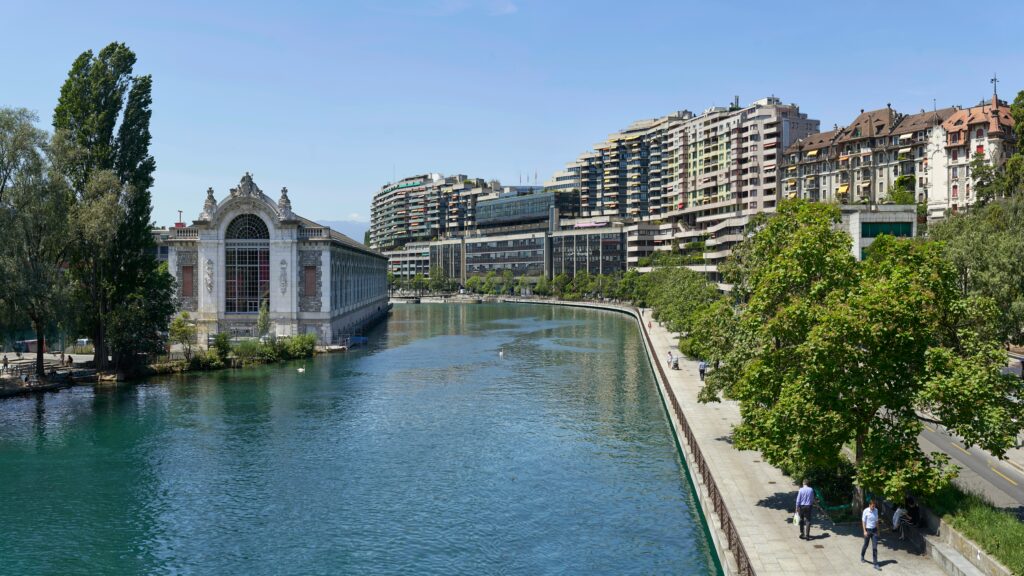
Swiss tax residents subject to the ordinary regime are taxed annually on their worldwide income and wealth, except for certain assets abroad, such as real estate.
The cantons and municipalities are free to set their own rates. As a result, there are true domestic tax havens within Switzerland or some cantons.
Capital gains realized on private assets are not taxable, which makes Switzerland attractive for foreigners wishing to sell their company or other valuable assets.
The Swiss pension system allows you to make essential savings on income tax, typically when you run your own business.
Property acquisition
Swiss law severely restricts the ability of foreigners to acquire property in Switzerland.
Non-resident foreigners can only buy commercial property (rented out or for their own use) or holiday accommodation. People may only purchase holiday homes in restricted tourist areas and may not exceed a specific size (200 m2 of living space, possibly up to 250 m2, and 1500 m2 of land). In addition to that rule, the government allocates a quota of holiday homes annually to each canton.
Swiss residents, on the other hand, have greater access to Swiss property. Non-European citizens with provisional residency can buy a primary residence on a plot of land of up to 3,000 m2 (overruns can be tolerated). Non-EU citizens with permanent residency and all EU citizens with residency (provisional or permanent) have unlimited access to Swiss property.
