

A Nicosia criminal court on Tuesday cleared Demetris Syllouris, the former president of Cyprus’s parliament, and ex-lawmaker Christakis Giovanis of charges that they improperly intervened in citizenship applications under the country’s now-defunct citizenship by investment (CBI) program.
In a 170-page majority ruling, the three-judge panel found prosecutors had failed to prove intent or establish involvement in fraud.
Key witnesses had neither appeared nor been summoned, a lapse the court called decisive in dismissing the case.
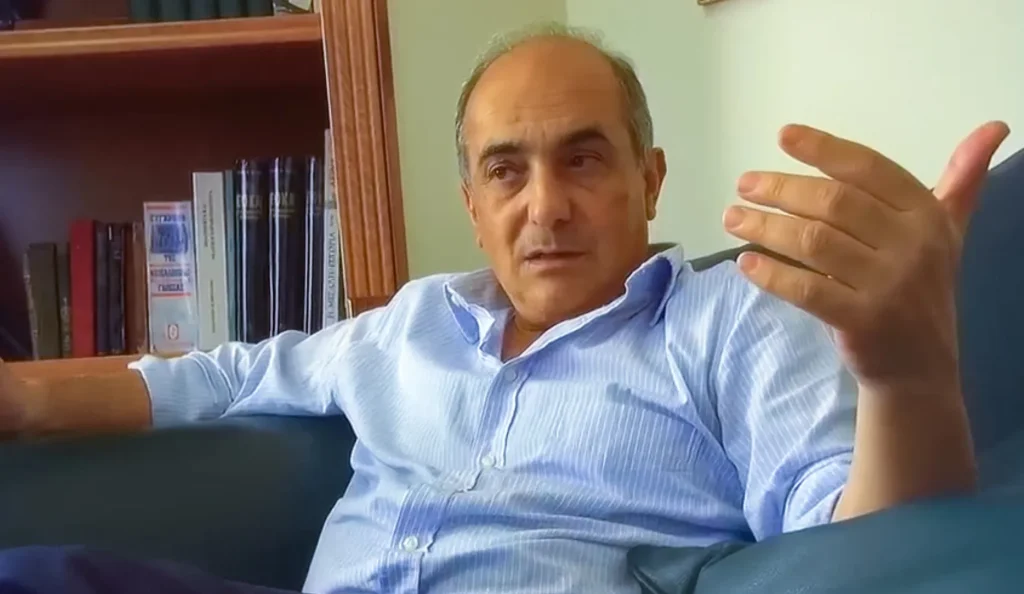
Syllouris, who had not spoken publicly about the case in over five years, was blunt outside the courthouse. He insisted he “was clean and remained clean,” dismissing the corruption allegations as politically motivated.
“I did not even speak in court,” he added. “I wanted to be tried in the manner that our judicial system deemed appropriate.”

How It Started
Al Jazeera’s undercover investigation, broadcast in October 2020 under the title The Cyprus Papers Undercover, upended Cypriot politics.
Hidden-camera footage showed officials appearing willing to help a fictitious Chinese businessman, one who purportedly had a criminal record, obtain Cypriot citizenship.
Syllouris and Giovanis resigned almost immediately. Within weeks, the government abolished the CBI program entirely, effective November 1, 2020.
The government commissioned an independent investigation, chaired by former Supreme Court judge Myron Nicolatos, into the program’s administration over its 13-year lifespan. His 780-page report, delivered in June 2021, was damning: 53% of the 6,779 passports issued between 2007 and 2020 had been granted unlawfully.
Most went to dependents. The Attorney General’s Office had warned in both 2015 and 2016 that the practice likely lacked a legal basis, but the government kept issuing them anyway.

Five Years of Legal Whiplash
Criminal proceedings began in 2022, only for a change in court composition to force a suspension in June 2023 and temporarily acquit all four original defendants. Prosecutors refiled charges that September against a narrower group.
Co-defendant lawyer Andreas Pittadjis had already seen his charges dropped; operations manager Antonis Antoniou was acquitted in March 2025 after key Al Jazeera witnesses refused to testify. By December 2025, only Syllouris and Giovanis remained on the charge sheet.
Tuesday’s acquittal makes this the third first-instance criminal case linked to the CBI program to end without conviction, though defendants in two earlier cases face appeals.
The Attorney General Plans to Fight Back
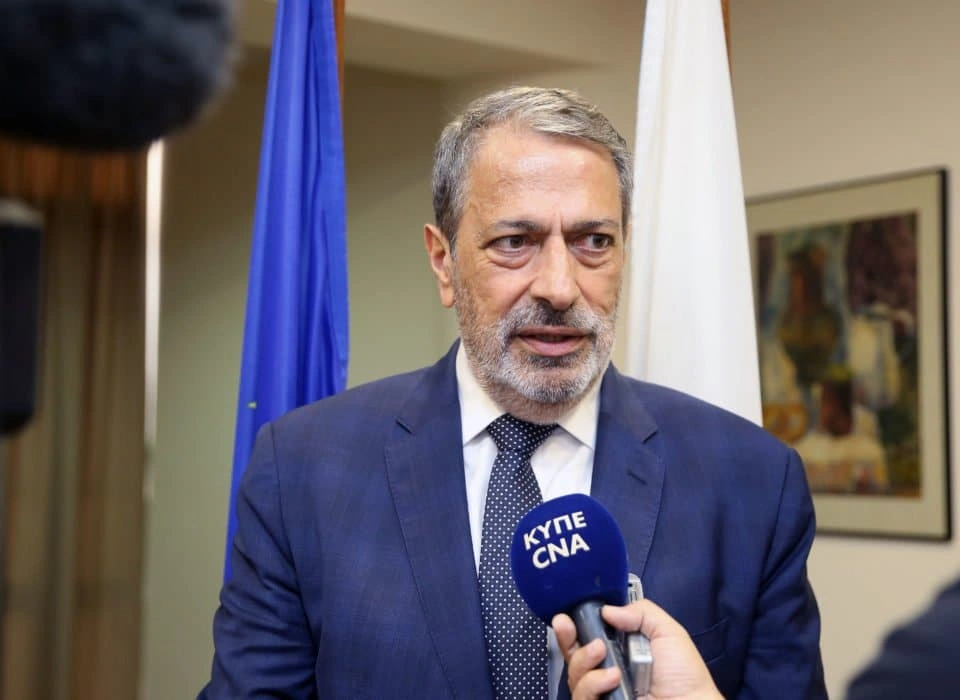
Cyprus’s Law Office studied Tuesday’s judgment and determined it could be challenged, according to the Cyprus Mail, and a formal appeal announcement is expected on Wednesday.
Parties Alma and Volt have already called on Attorney General George Savvides and his deputy to resign, and Alma described the ruling as having “buried the golden passport scandal,” alleging a “clear conflict of interest” within the prosecution.
The Biggest Case Is Still Coming
Former Transport Minister Marios Demetriades, seven other individuals, and two companies still face 59 charges, including corruption, bribery, conspiracy to defraud, and money laundering in what may be the most consequential of the four golden passport prosecutions.
Investigators allege that 137 naturalizations processed through a law firm linked to Demetriades received cabinet approval at meetings he personally attended.
All defendants have pleaded not guilty. The trial, repeatedly delayed, is now set for March 2026.
A Record That Troubles Brussels
Speaking to CIReN in June 2025, Nicolatos expressed disappointment at what came of his investigation: “We did valuable work, we presented detailed findings, and I had hoped more would be done.” He placed the blame on Cyprus’s Council of Ministers, arguing that “the facts are there, the mistakes are documented, but its members never took responsibility.”

The European Commission’s 2025 rule-of-law assessment echoed that concern, finding that Cyprus needed to do more to ensure effective prosecution of corruption cases. A Eurobarometer survey cited in the assessment showed 90% of Cypriot respondents consider corruption widespread, against an EU average of 69%.
Where Cyprus Stands Now
Since abolishing the program in November 2020, Cyprus has revoked citizenship from 360 individuals, 101 of them investors and 259 family members. The country’s permanent residence program, requiring a minimum €300,000 investment, continues to operate and has issued over 28,660 permits since 2014.
Cyprus is also pushing for Schengen Area membership and has overhauled its naturalization rules to offer EU citizenship in as few as three years for skilled professionals who learn Greek.
Whether the golden passport scandal complicates those ambitions depends on what happens in the appeal courts and in the Demetriades trial, now set for next month.
